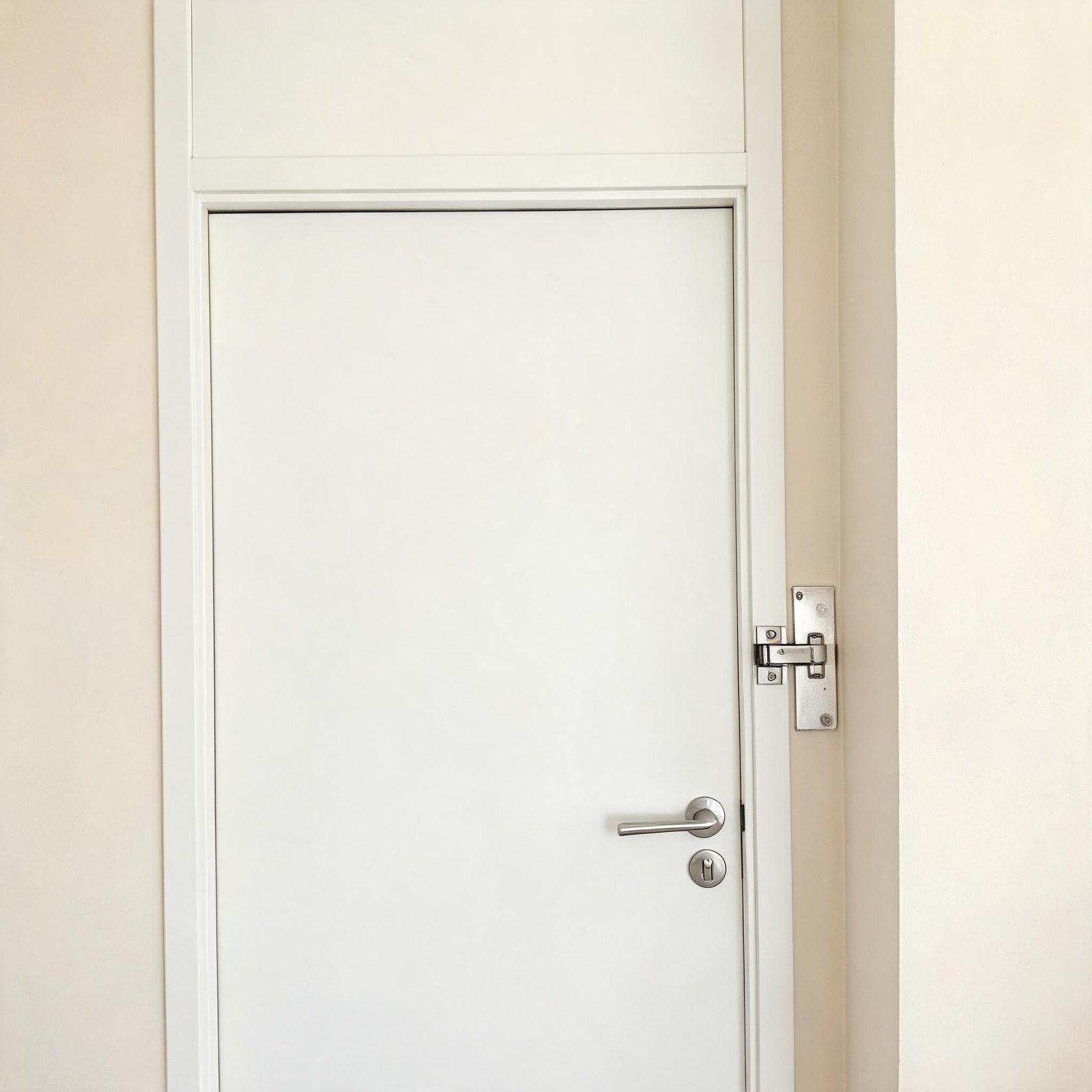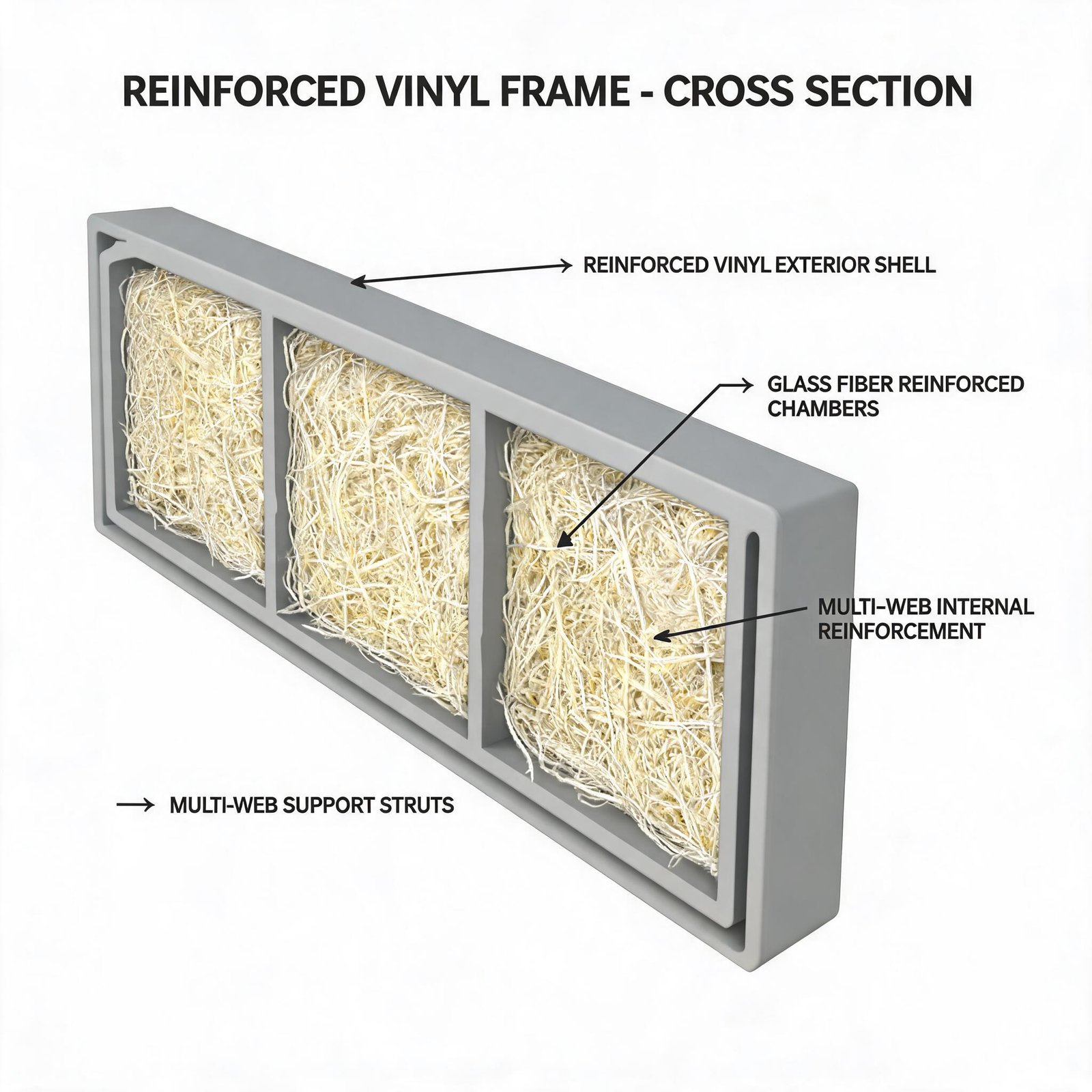
You’re knee-deep in a bathroom renovation, and you’ve just realized that the hollow-core door you picked out at the big-box store is basically a paper towel when it comes to sound. The gaps under the door are letting every flush, every shower, every conversation escape into the hallway. This is the exact scenario playing out across countless Reddit threads in r/HomeImprovement and r/bathroomremodeling: “No direct post but common theme in bathroom renovations; door gaps reduce privacy.” The fix isn’t complicated, but it requires understanding the physics of sound transmission and the construction of a proper acoustic barrier. Here’s the hard truth from 15 years in the field: if you want soundproof interior doors for privacy, you need a solid core door with a real acoustic seal system.
The Real Problem: Hollow Core Doors and Gaps Are the Enemy
Let’s cut through the marketing fluff. A standard hollow-core interior door weighs maybe 15 pounds. It’s two thin sheets of MDF or plywood glued over a cardboard honeycomb core. Sound waves hit that door and vibrate it like a drum head. Even if you seal the perimeter, the door itself acts as a sound transmission membrane. Combine that with the typical 3/8-inch to 1/2-inch gap at the bottom for ventilation, and you’ve got a direct sound path that turns your bathroom into a public announcement system.
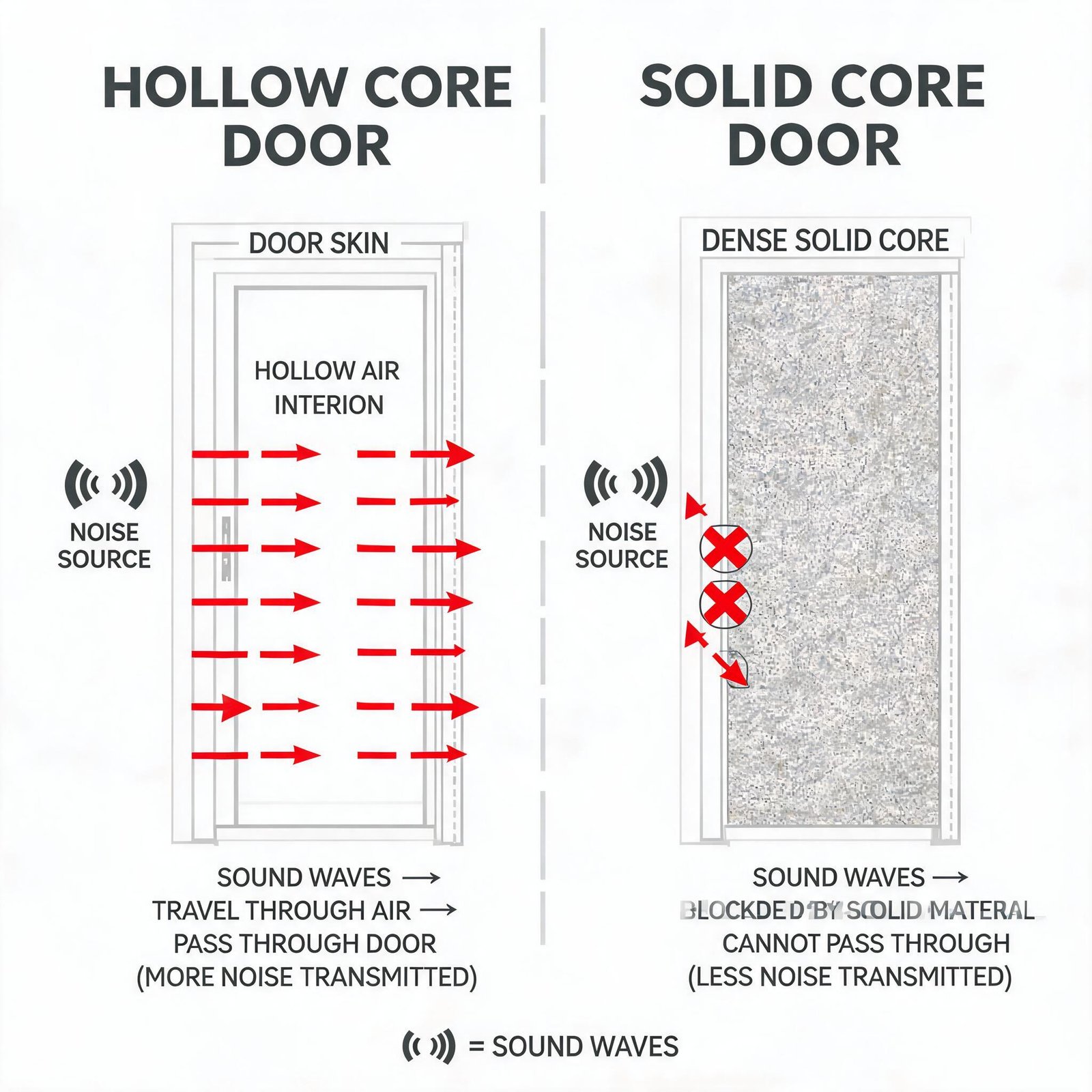
In bathroom renovations specifically, the problem compounds because plumbing creates additional flanking paths—sound travels through the walls, through the drain pipes, and straight out that door gap. The homeowners I work with in the Pacific Northwest and Northeast constantly bring this up after they’ve finished a $15,000 bathroom remodel only to realize they can hear every detail from the hallway. The solution starts with selecting the right door core material.
Solid Core Doors: The Foundation of Acoustic Privacy
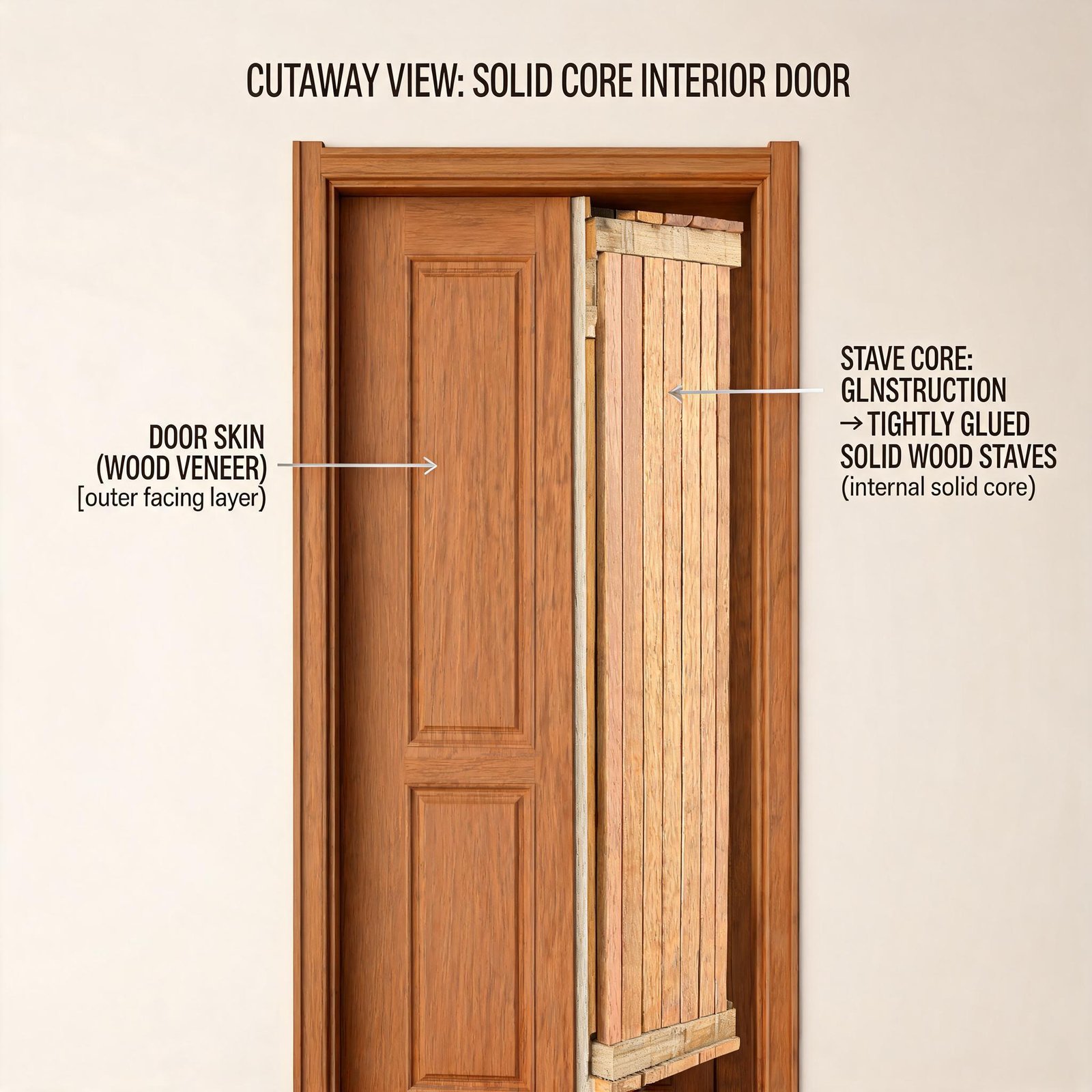
A solid core interior door is exactly what it sounds like: a door constructed with a solid internal substrate, typically particleboard, medium-density fiberboard (MDF), or a stave core made of engineered wood. These doors weigh 60 to 80 pounds—roughly four times heavier than a hollow core—and that mass directly translates to sound reduction. The principle is called mass law: double the mass of a barrier, and you generally get a 6 dB reduction in sound transmission. A solid core door achieves an STC (Sound Transmission Class) rating of 28 to 32, compared to a hollow core’s typical 18 to 22.
At Superwindowhouse, we manufacture solid core interior doors with densities specifically optimized for residential soundproofing applications. Our doors use an engineered stave core that minimizes voids and provides consistent mass across the entire panel. This isn’t just about throwing weight at the problem—it’s about eliminating the resonant frequencies that let sound through. In bathroom and bedroom applications, the difference is night and day.
But here’s the critical point that most contractors miss: a solid core door without proper perimeter seals is still a compromised system. You need to address the gaps.
Drop Seals and Perimeter Gaskets: Closing the Gaps
The most common complaint I hear from Reddit users is about the bottom gap. Standard interior doors have a 1/2-inch to 3/4-inch undercut to allow for flooring clearance and HVAC returns. That single gap can negate 50% of the acoustic benefit of a solid core door because sound behaves like water—it takes the path of least resistance. The fix is a drop seal, also known as an automatic door bottom.
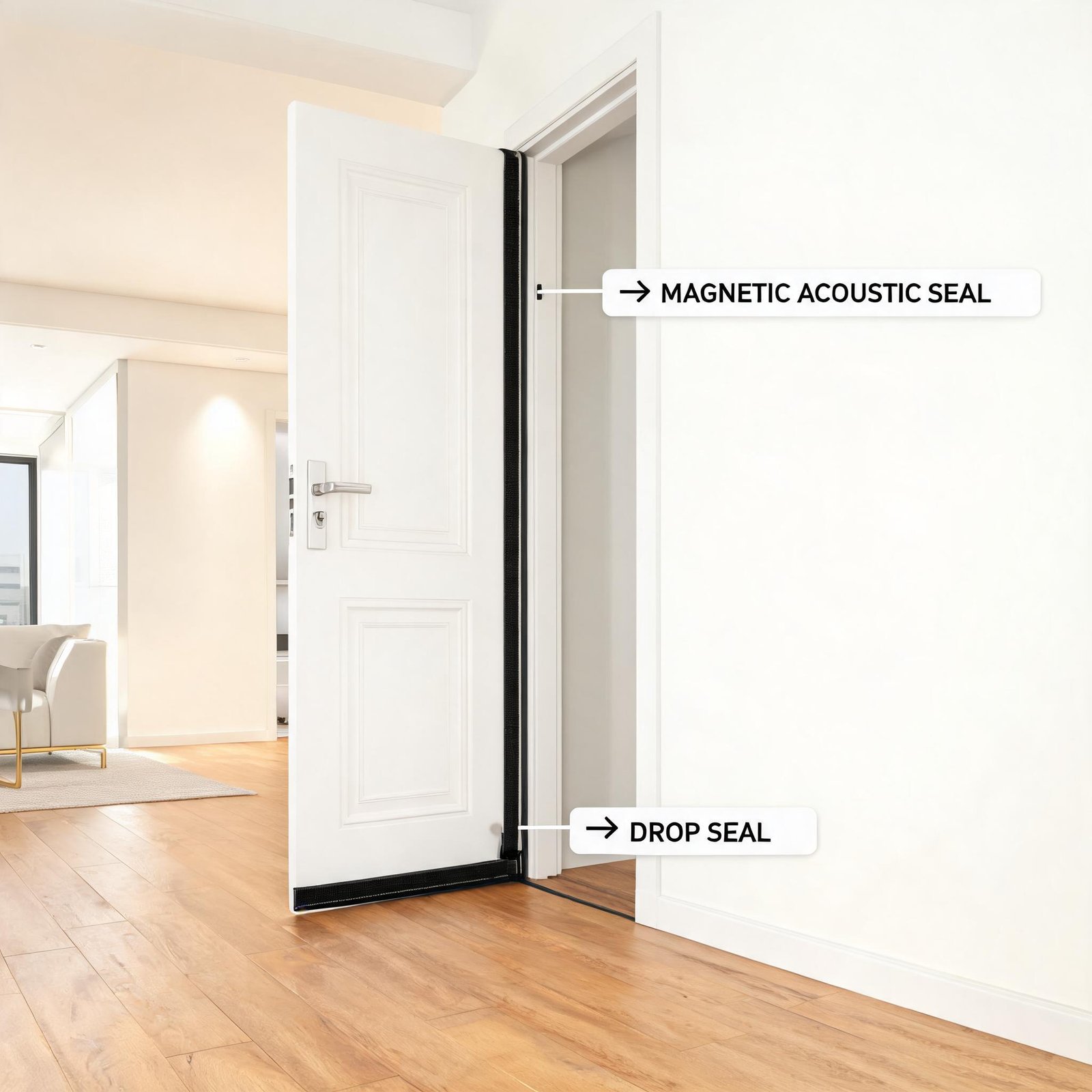
A drop seal is a metal channel with a rubber or silicone gasket that sits inside a groove cut into the bottom of the door. When the door closes, a plunger mechanism retracts, allowing the seal to drop onto the floor. When you open the door, the seal rises back into the channel. This gives you a tight acoustic seal when the door is closed while maintaining full floor clearance when open.
Pair the drop seal with perimeter compression gaskets in the door frame. These are typically made from EPDM rubber or silicone and compress when the door latches, creating an airtight seal around the entire opening. The combined effect of a solid core door plus acoustic seals can push the assembly’s effective STC rating to 35 or higher, which is the threshold where speech becomes unintelligible through the door.
Acoustic Seals: The Difference Between Okay and Excellent
I’ve installed hundreds of solid core doors over the years, and I can tell you with certainty that the quality of the seal system determines the real-world performance. Many homeowners buy a solid core door from a lumber yard, install it with standard weatherstripping, and wonder why they can still hear the toilet flush. The problem is that standard felt or foam weatherstripping isn’t designed for acoustic isolation. It compresses inconsistently, leaves gaps at the corners, and degrades over time.
The Superwindowhouse approach involves integrating the acoustic seals directly into the door manufacturing process. Our interior doors come with pre-installed magnetic compression gaskets that mimic the technology used in commercial acoustical doors. The magnetic strip pulls the door tight against the frame, creating a consistent, repeatable seal every time. The drop seal mechanism is factory-installed, tuned to the door’s weight, and tested for airtight closure.
In bathroom renovations, I always recommend installing a ventilation fan on a timer or humidity sensor to handle moisture rather than relying on the under-door gap for airflow. This eliminates the need for a large gap entirely, allowing you to use a full-perimeter acoustic seal system.
Why Bathrooms and Bedrooms Are Unique
Bathrooms present specific acoustic challenges that bedrooms don’t always share. Ceramic tile, glass shower enclosures, and porcelain fixtures create hard surfaces that reflect sound, increasing the overall noise level in the room. The combination of plumbing noise, fan noise, and water spray creates a broad spectrum of frequencies that a good door assembly must address. Solid core doors perform well across the frequency range, but the low-frequency thump of a toilet flushing or a shower pump requires that mass to stop it.
Bedrooms, by contrast, primarily need to block voice frequencies and occasional TV noise. A solid core door with acoustic seals works equally well for both applications, which is why Superwindowhouse’s design is intentionally versatile. The same door installed in a master bathroom works just as effectively in a home office or bedroom.
Installation: The Common Failure Point
I’ve seen countless jobs where homeowners spend $400 on a solid core door and install it in a frame that leaks sound like a sieve. The installation is as important as the product. Here are the non-negotiable steps:
- Frame preparation: The door frame must be plumb, square, and level. Any twist or bow in the frame prevents the gaskets from seating uniformly.
- Jamb width: Use a jamb that matches the wall thickness exactly. Oversized jambs create gaps that must be filled with caulk or acoustic sealant.
- Hinge selection: Solid core doors require heavy-duty hinges—typically 4-inch x 4-inch ball-bearing hinges with a 1/8-inch gap between the hinge leaves. Use all three hinges, not the standard two.
- Threshold: If the door opens into a bathroom with tile, the drop seal should contact a smooth, continuous surface. Grout lines or uneven tile will break the seal.