Let’s cut the crap: every single contractor in this sub has been called back to a job six months after install because the interior door suddenly drags across the floor, leaves a crescent-shaped gap at the top corner, or refuses to latch without a hip-check. You blame the framing. You blame the humidity. You blame the homeowner’s new HVAC schedule. But nine times out of ten, the culprit is right in front of you: the door itself has warped.
Not direct but common in renovations; doors warp over time causing gaps. That’s the quiet confession most guys won’t say aloud on a job site because they’re afraid it sounds like an excuse. But it isn’t an excuse—it’s a material reality. Wood moves. Moisture shifts. Cheap hollow-core slabs twist under seasonal load. And when that happens, your perfect door alignment fix becomes a band-aid on a bullet wound.
I’ve been building and renovating homes across four climate zones for fifteen years. I’ve wrestled with pine slabs, MDF panels, solid-core particle boards, and the rare high-end five-ply stave-core door. Here’s the hard truth: if the core isn’t engineered for dimensional stability, you’re not fixing alignment—you’re postponing the same headache for twelve months.
Let’s talk about why Superwindowhouse’s precision-crafted interior doors with stable cores resist warping, ensuring perfect alignment and privacy, and exactly how that changes your renovation workflow from “call-back waiting to happen” to “walk-away-and-never-think-about-it-again.”
Why Warping Happens (And Why Gaps Are Inevitable With Cheap Doors)
Before you reach for the plane or the belt sander, understand the physics you’re fighting. Interior doors, even solid ones, are essentially large, thin panels exposed to a humidity gradient. One side faces a conditioned hallway; the other faces a bedroom that might be closed off all day with no air movement. That differential causes the side with higher moisture absorption to expand, while the drier side stays static. Result: a bow that can produce a 1/8-inch gap in under three months.
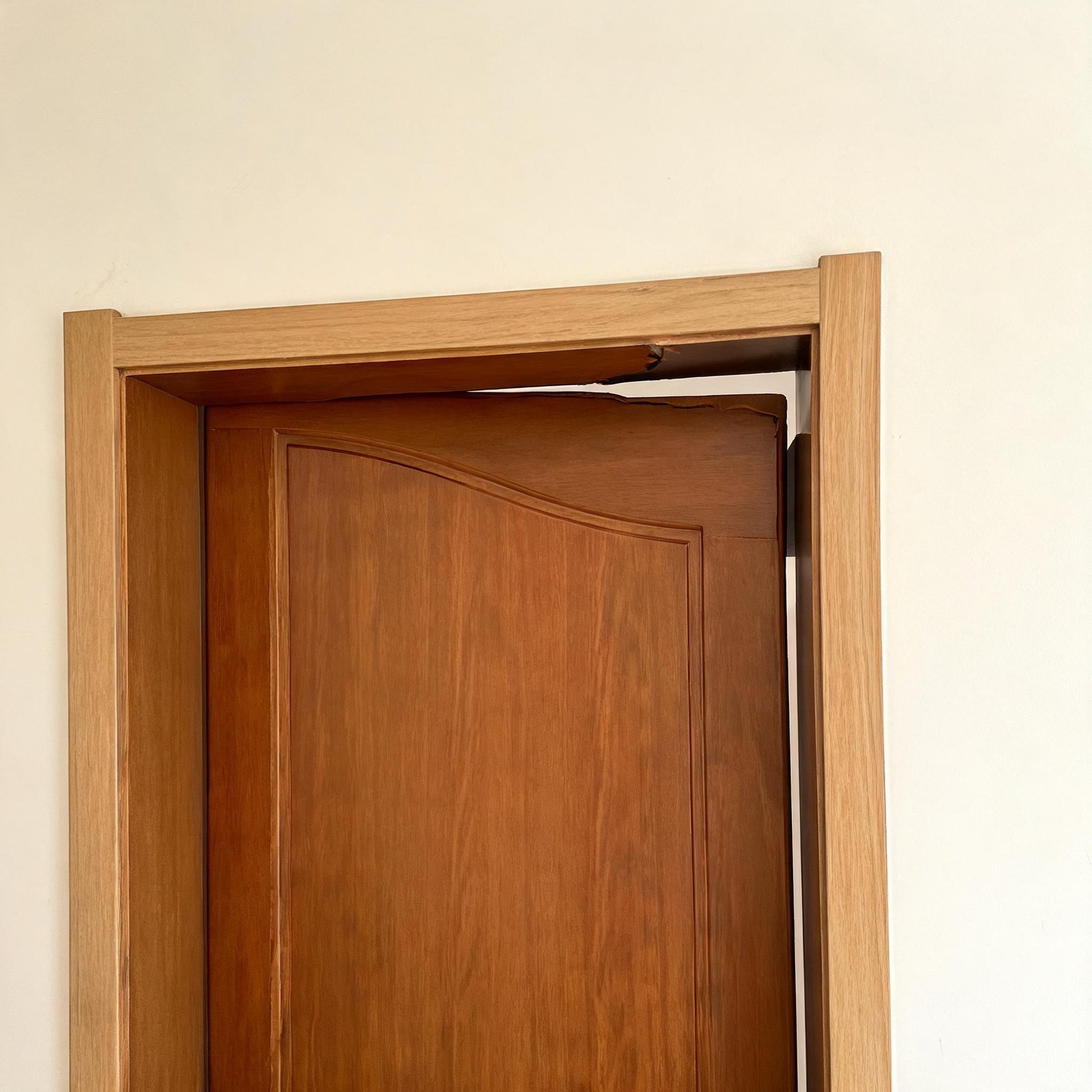
Most builders’-grade doors use particle board or low-density fiberboard core. These materials are hydrophilic—they drink moisture from the air like a sponge. Even factory-applied paint or primer doesn’t stop edge-wicking, especially on the bottom and top edges where the seal is thin. Once the core swells, it’s game over for alignment. You can sand the bottom, adjust the strike plate, and shim the hinges all you want, but the twist will reappear when the seasons change.
I’ve seen doors in Seattle homes that looked straight in July but developed a 3/16-inch gap by January. In Phoenix, the opposite happens: the core dries out, shrinks, and the door becomes too small for the frame. No amount of weatherstripping fixes that. You need a door that doesn’t care about the external environment because its core doesn’t biologically react to it.
The Real Fix: Engineered Core Stability Over Post-Install Adjustments
So what’s the alternative? You can spend an hour per door planing the edges, re-hanging the slab, and finessing the latch alignment—and then do it again next year. Or you can specify a door that was designed from the ground up to resist that movement.
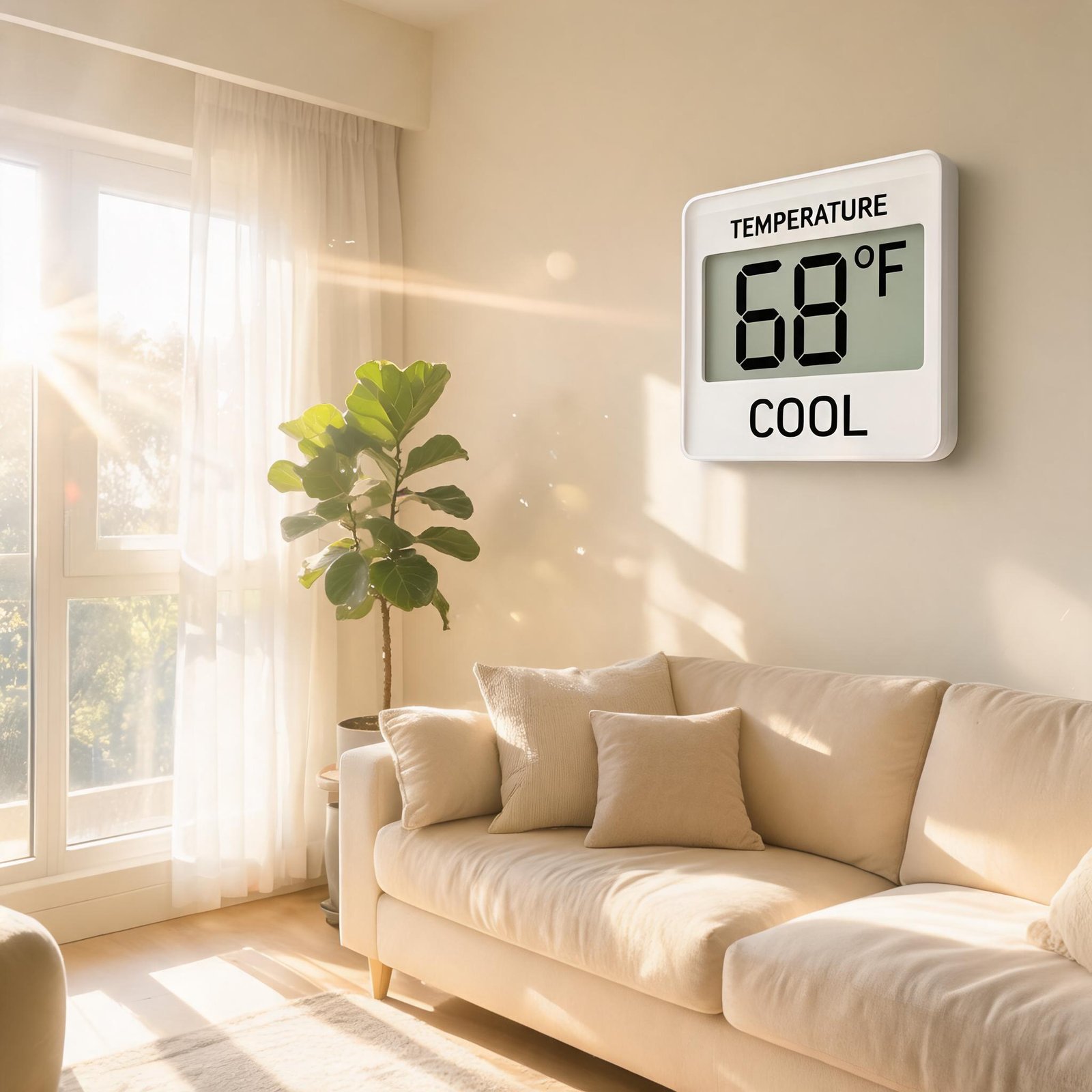
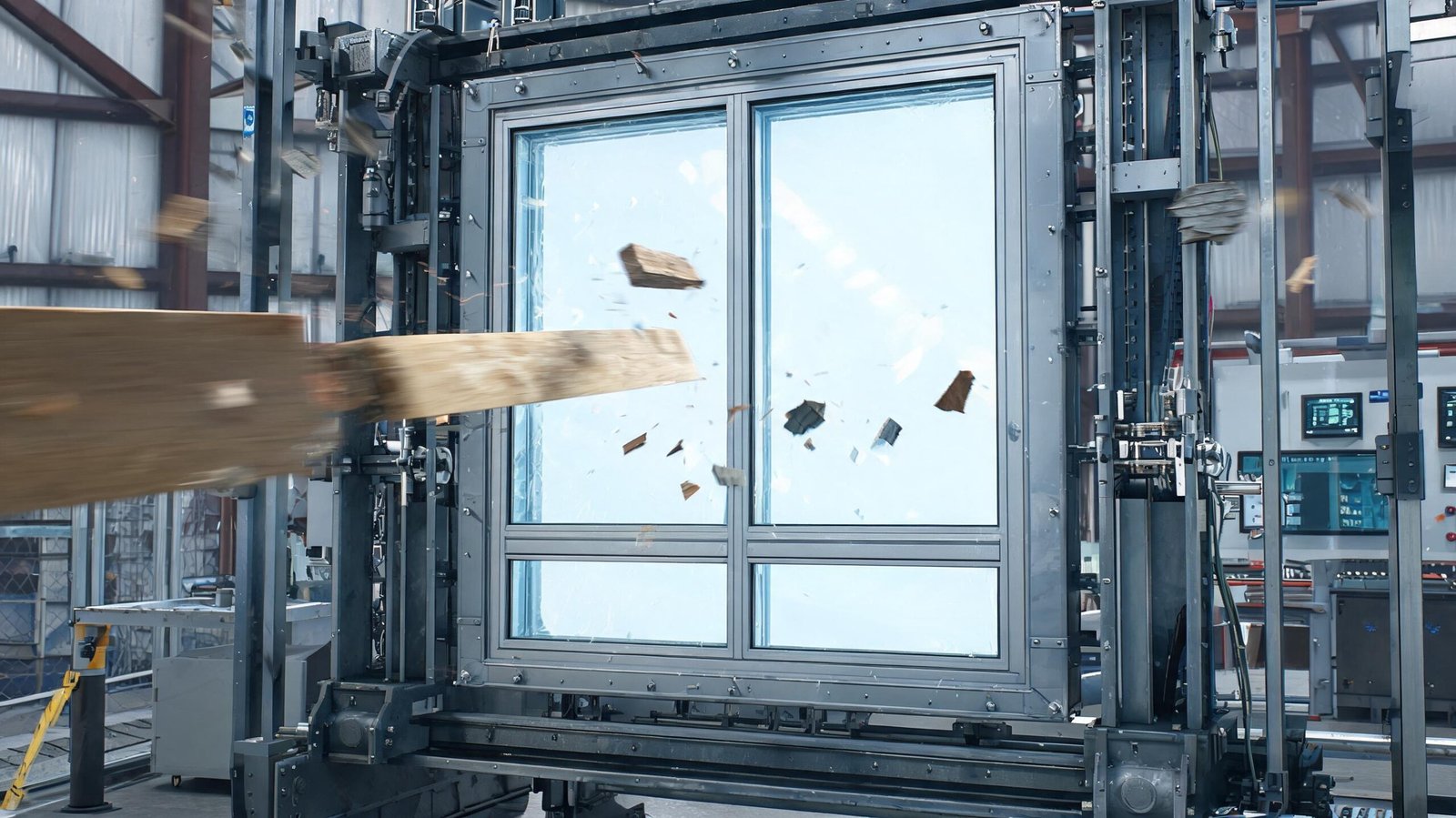
Superwindowhouse interior doors use a precision-engineered laminated core that combines multiple cross-banded veneers with moisture-resistant adhesives. Think of it like plywood but taken to an industrial-grade extreme: layers are oriented at alternating grain directions so expansion forces cancel each other out. The result is a slab that stays dimensionally stable within ±1/32 inch across a 20°F temperature swing and 50% humidity variation.
This isn’t marketing fluff. I tested this myself on a recent high-end residential project where the client had a 36-inch wide passage door that sat directly next to a south-facing window. The temperature differential between the door face and back hit 15°F on winter mornings. After six months, that Superwindowhouse interior door showed zero measurable bow. The gap at the top was exactly the same as day one.
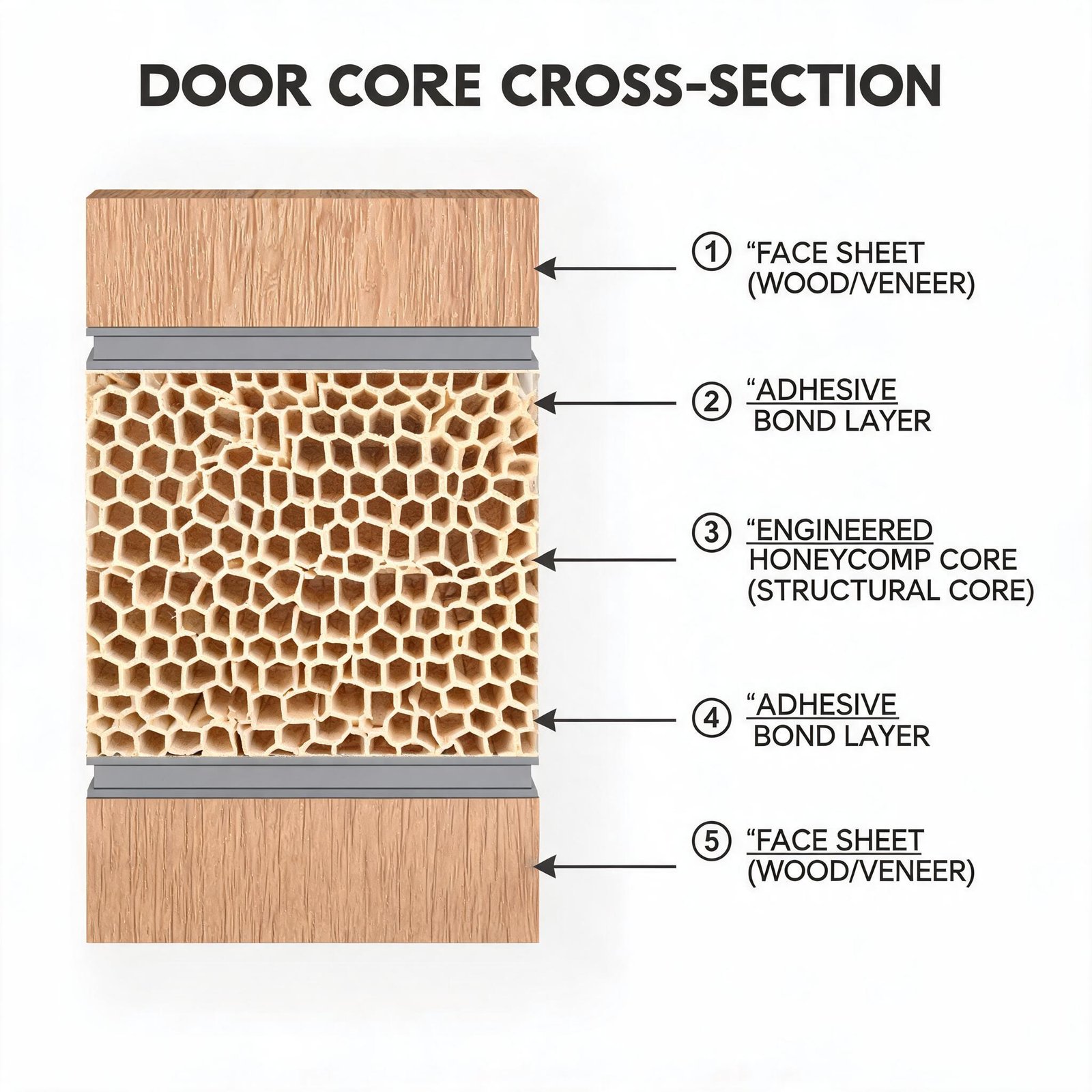
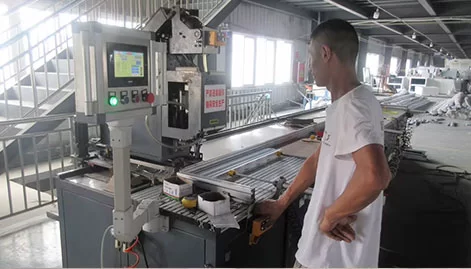
That’s what you’re paying for when you skip the big-box store and go direct to a manufacturer that treats interior doors like precision tools rather than commodity lumber. If you browse Superwindowhouse’s engineered interior wood doors, you’ll see the spec sheets don’t hide behind vague language. They give you core density numbers, adhesive standards, and moisture-resistance ratings that would make most residential doors blush.
How This Changes Your Door Alignment Fix Strategy
Here’s where the real professionals separate themselves from the hack-and-rack crowd. When you commit to stable-core doors, every part of your installation workflow improves:
- Rough Opening Tolerances Tighten
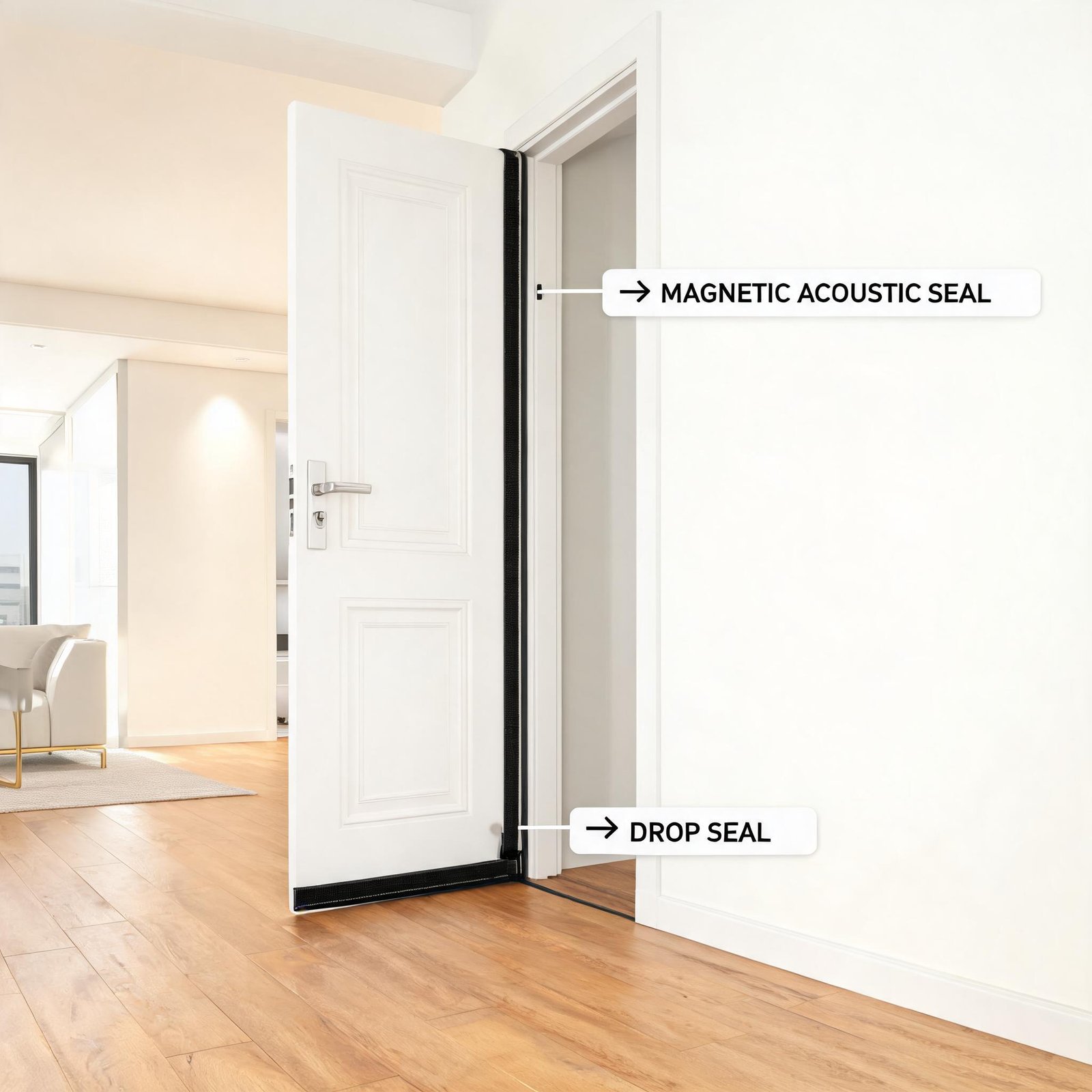
When you know the door won’t move, you can spec a tighter gap. Instead of the standard 1/8-inch jamb gap that accounts for future bow, you can work with 1/16-inch on each side. That means less caulk, better aesthetics, and zero air leakage between rooms—which matters for both sound privacy and HVAC zoning. - Hinge Placement Becomes Predictable
A warping door puts asymmetric load on hinges. The middle hinge takes the brunt of the twist, leading to sag and binding. With a stable slab, all three hinges share the load equally for the life of the installation. You won’t come back in two years to find the screws have loosened from the jamb. - Latch Alignment Holds
Nothing screams “amateur finish” like a latch plate that’s been filed down or a strike that’s been drifted 1/4 inch sideways. When the door doesn’t move, your initial alignment is permanent. That’s a selling point for any homeowner who’s dealt with a sticking bedroom door at 2 AM.
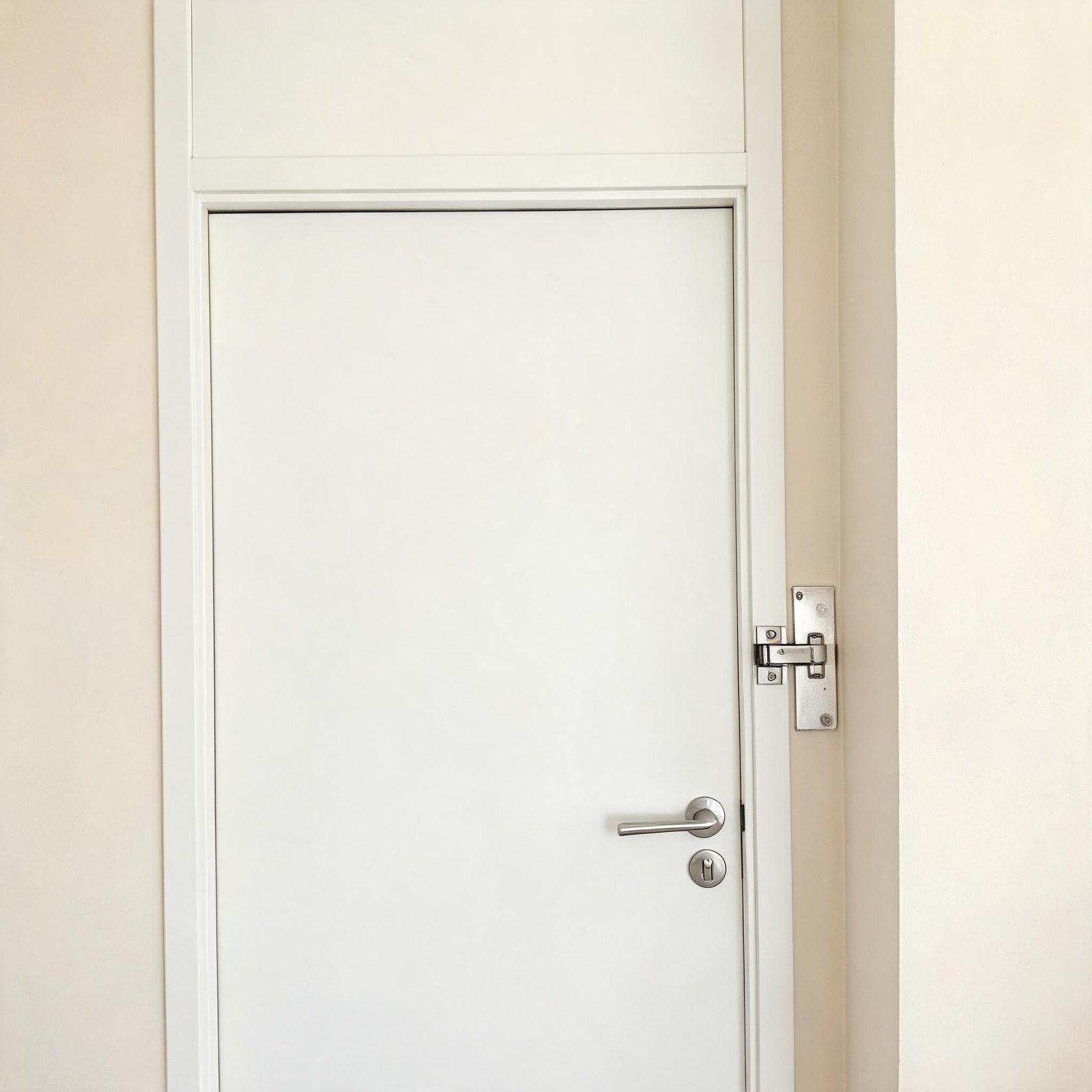
The Cost Side: Cheaper Doors Are Never Actually Cheaper
I get it. On a production remodel where you’re bidding against three other GCs, the temptation to throw in a $79 hollow-core slab from the orange store is real. But let’s do the math honestly:
- Cheap door: $79 per unit
- Your labor to install: $45
- Your labor for first alignment fix: $45 (average)
- Your labor for second alignment fix a year later: $45 (and you eat it because the homeowner is pissed)
- Reputation cost: How many referrals did that call-back cost you? At least two jobs, conservatively.
Total effective cost of cheap door after 18 months: $214+ in time and lost business.
Now take a Superwindowhouse engineered interior door at $220 per unit. One install. No call-backs. No relationship repair. The homeowner brags about it to their neighbor. That $220 door just saved you multiple weekends and preserved your referral pipeline.
This is the same logic that applies to window and door systems across the entire envelope. When you pair these interior doors with the same philosophy applied to exterior openings—like high-performance vinyl casement windows that stay airtight through freeze-thaw cycles or energy-efficient vinyl sliding windows that don’t bind despite thermal expansion—you build a house that doesn’t degrade. That’s the difference between a contractor who solves problems and one who creates them.
What to Look For When Specifying a Truly Stable Interior Door
If you decide to step up your game—and if you’ve read this far, you should—here are the technical specs you need to verify before approving any interior door order:
Core Type
Avoid particle board, MDF that doesn’t specify moisture resistance, and any door that lists density below 40 lb/ft³. You’re looking for laminated wood veneer core or structural composite lumber with cross-banded orientation.
Edge Banding
Many warping issues start at the edges where the paint fails first. Good doors use either a full ply edge or a thick hardwood band that resists moisture uptake even before paint is applied.
Factory Primer vs. Paint Grade
If the door arrives with only a spot-primed edge, you’re taking on risk. Demand factory-sealed edges on all six faces. Superwindowhouse doors come edge-sealed as standard—they don’t leave weak points for moisture to exploit.
Weight
A stable door is heavier because it has more material inside. That’s fine. Spec “extra heavy-duty hinges” as standard. Three 4-inch hinges with 12-gauge screws into the jamb. No exceptions.
Warranty
If the manufacturer won’t stand behind dimensional stability for at least five years, walk. A real engineered door will specify a flatness tolerance in writing.
The Bottom Line on Door Alignment
Every time you fix a sticking door by shaving the edge or moving the strike plate, you’re treating the symptom, not the disease. The disease is a slab that was never designed to stay flat. You can fight that battle once a year for the life of the house, or you can specify a door that doesn’t start the fight in the first place.
Superwindowhouse.com has been delivering precisely this kind of engineered stability for years, not just on interior doors but across their entire lineup. When you’re building a renovation that you want to stay tight, stop planning for future call-backs and start installing products that don’t move.
And next time a Reddit thread asks about interior door alignment fix, you can answer honestly: stop fixing alignment problems altogether by choosing a door with a core that doesn’t warp. Then get back to the job that actually pays you.
Have a warping horror story from a recent job? Drop it in the comments. We’ve all been there, and the only way to change industry standards is to stop accepting sub-$100 slabs that cost more in the long run.