Why Standard Windows Fail in High-Wind Coastal Environments
When a homeowner tells me “my windows leak during heavy rain,” my first question is always: “What’s your wind speed when it happens?” In coastal areas, the problem isn’t just rain—it’s the combination of water and air pressure. Standard single-hung or double-hung units from mass-market manufacturers use basic compression seals and minimal interlocking mechanisms. Under high wind load, the sash deflects, the seals separate, and water migrates through the frame.
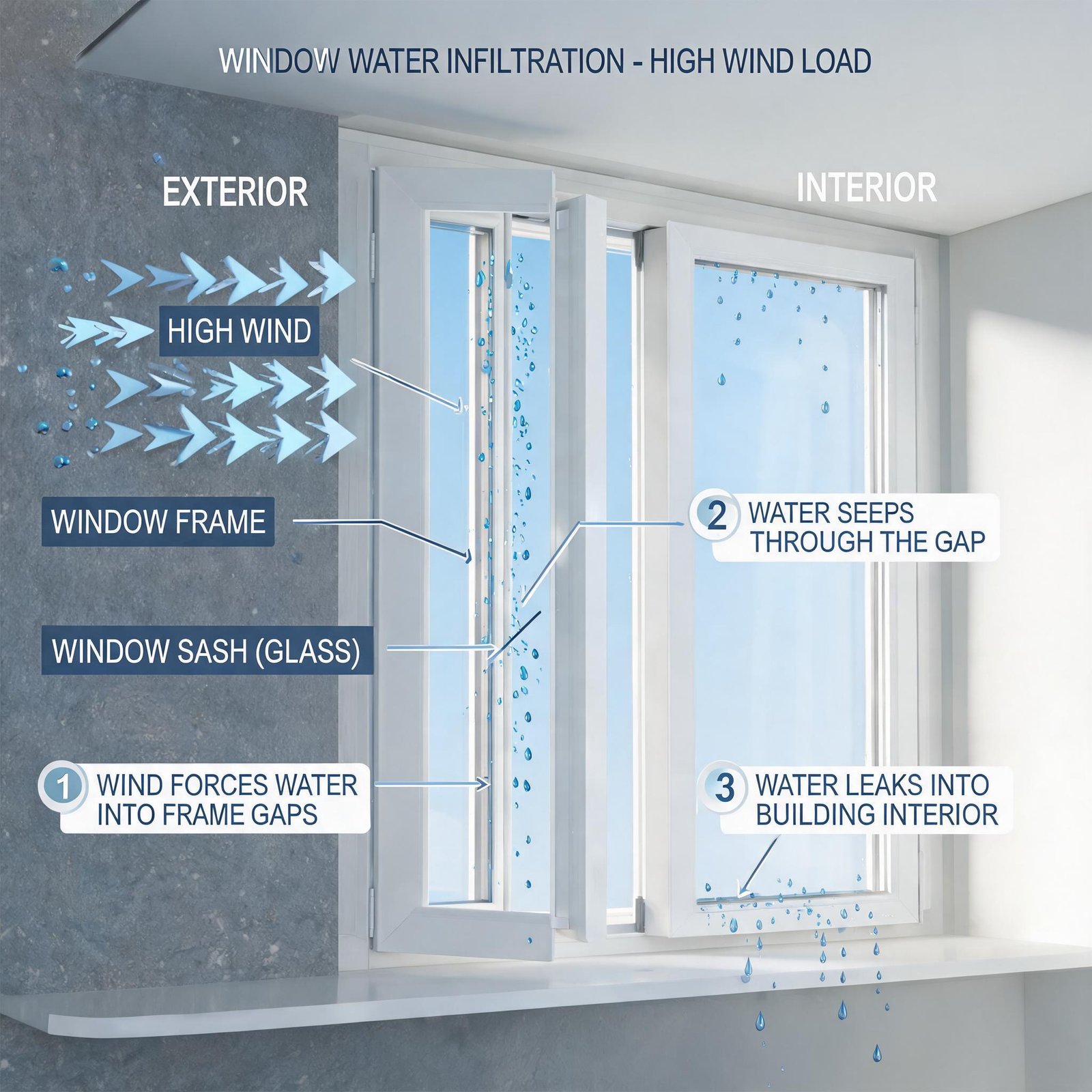
Here’s what I see in the field 90% of the time:
- Frame deflection: Thin aluminum or vinyl extrusions flex under pressure, breaking the seal between sash and frame
- Inadequate glazing: Single-pane or even basic dual-pane glass cracks under flying debris impact
- Poor flashing integration: The window-to-wall interface fails because the nailing fin isn’t designed for the negative pressure of hurricane conditions
- No drainage backup: Standard weep systems get overwhelmed when rain is blowing sideways at 70+ mph
The building code in most coastal counties now requires impact-rated assemblies, but I still see contractors trying to sneak through with “impact-resistant glass” in non-impact-rated frames. That’s like putting bulletproof glass in a cardboard box. The glass survives, but the frame fails.
What Impact-Resistant Storm Windows Actually Need to Do
True storm windows for high wind areas aren’t just thicker glass. They’re a complete system engineered for what the industry calls “continuous performance under cyclic pressure loading.” I’ve been through the AAMA 506 testing protocols, and here’s what separates a legitimate product from marketing BS:
1. Structural Frame Integrity
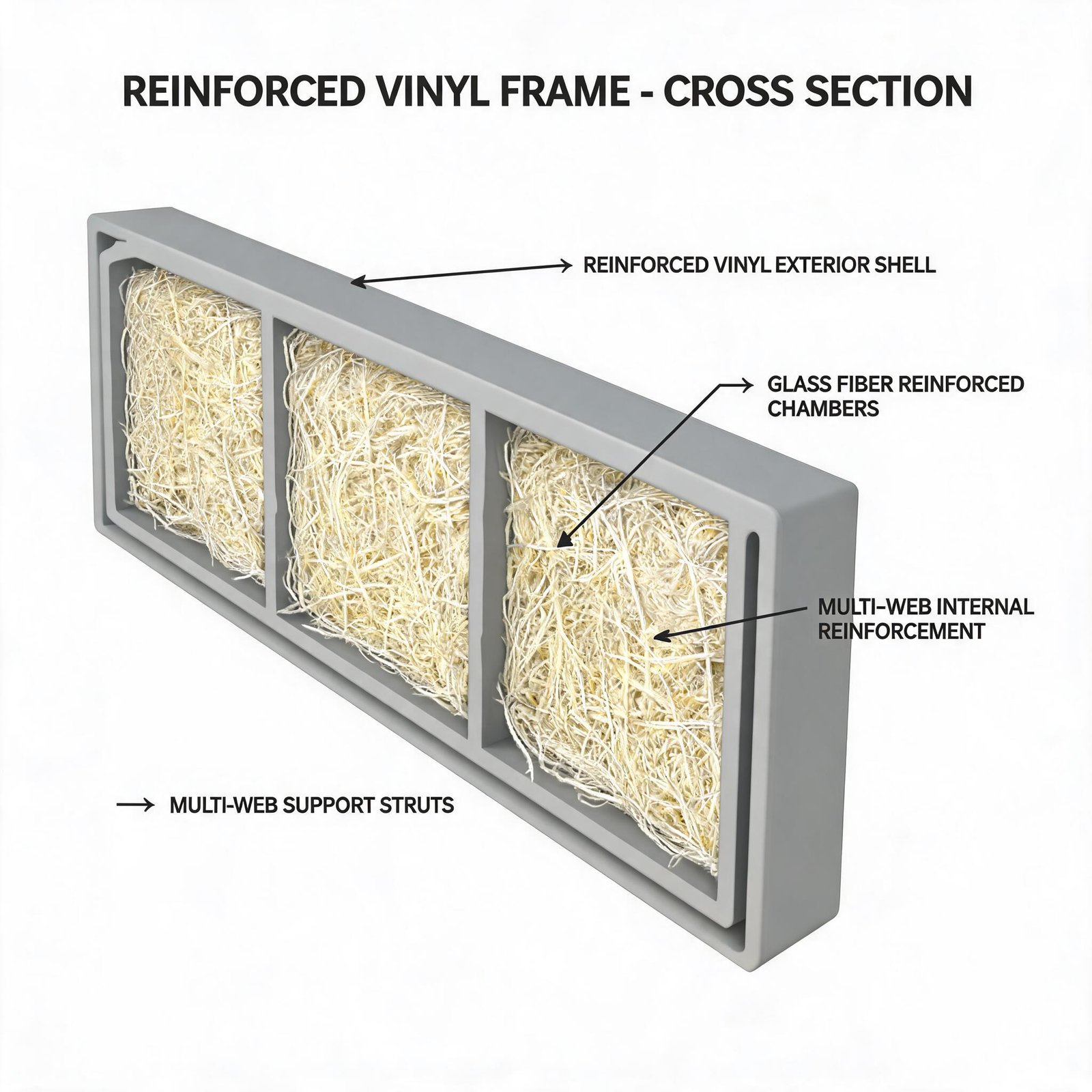
The frame must handle both positive and negative pressure loads without permanent deformation. In hurricane conditions, the wind doesn’t just push against the window—it creates suction on the leeward side that literally pulls the window outward. This is why I recommend thermally broken aluminum or reinforced vinyl profiles with internal steel chambers for anything installed above the first floor.
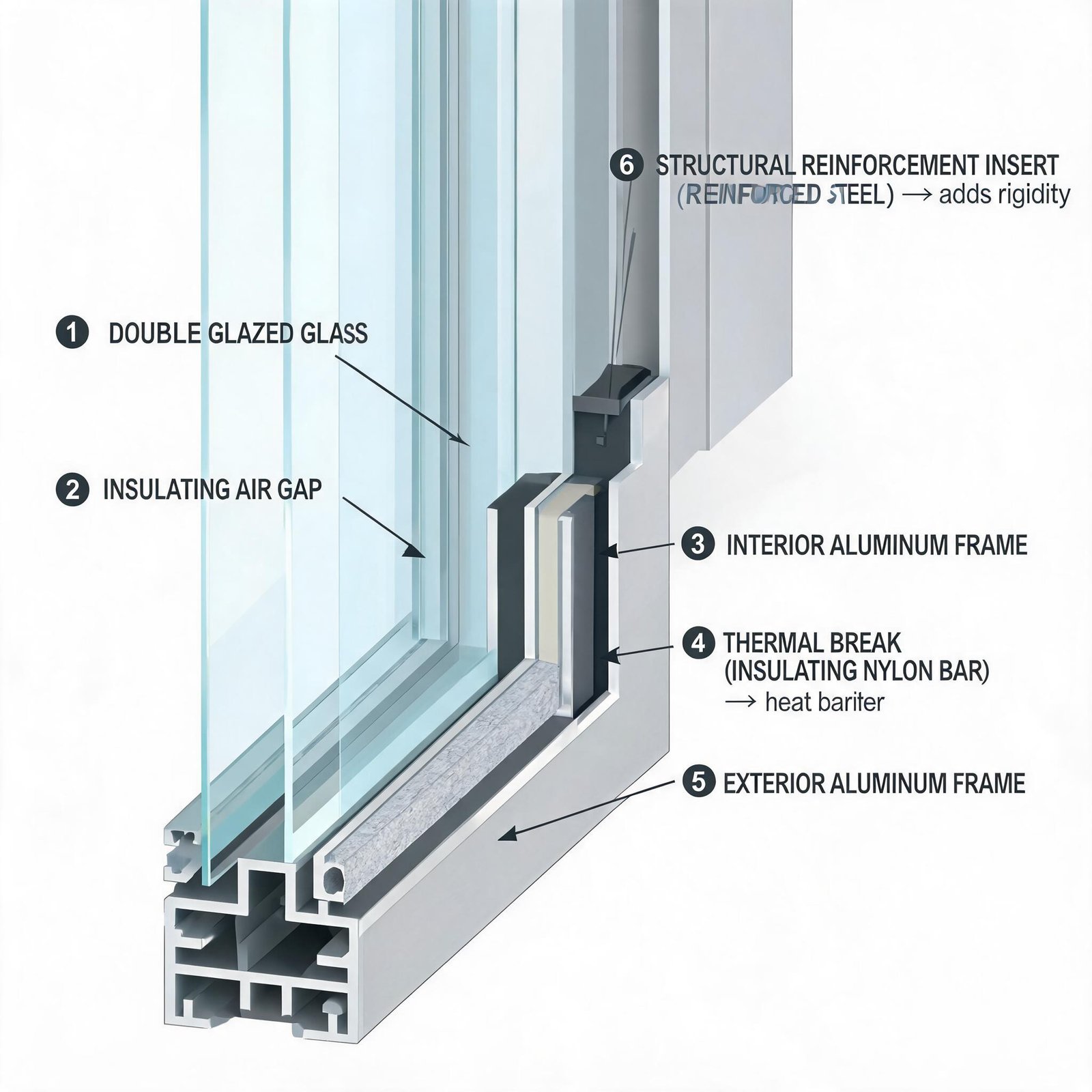
I’ve seen too many cheap vinyl frames literally blow out of their rough openings during Hurricane Michael. The extruded aluminum frames with proper reinforcement maintain their shape even when debris is hammering them.
2. Impact-Grade Laminated Glass
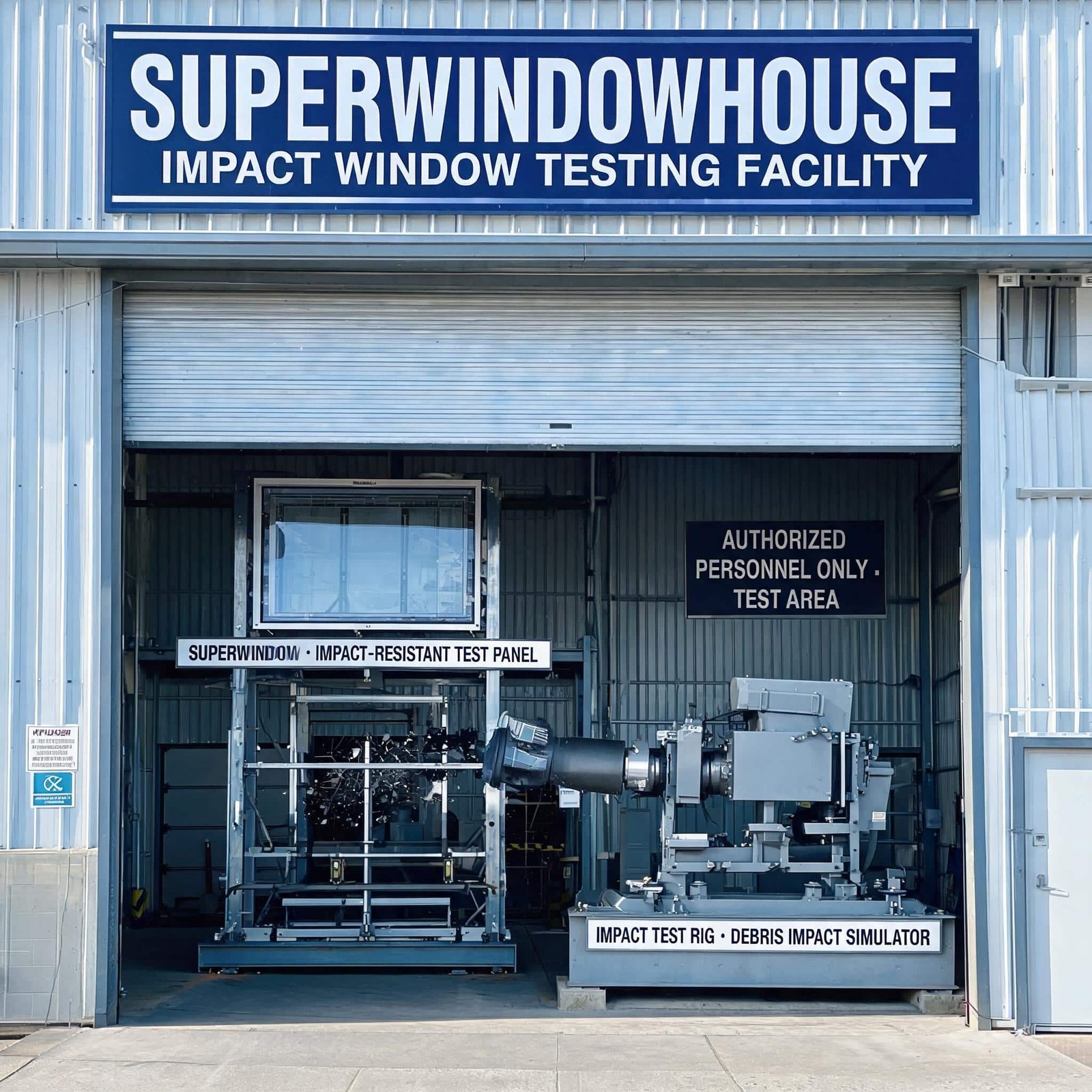
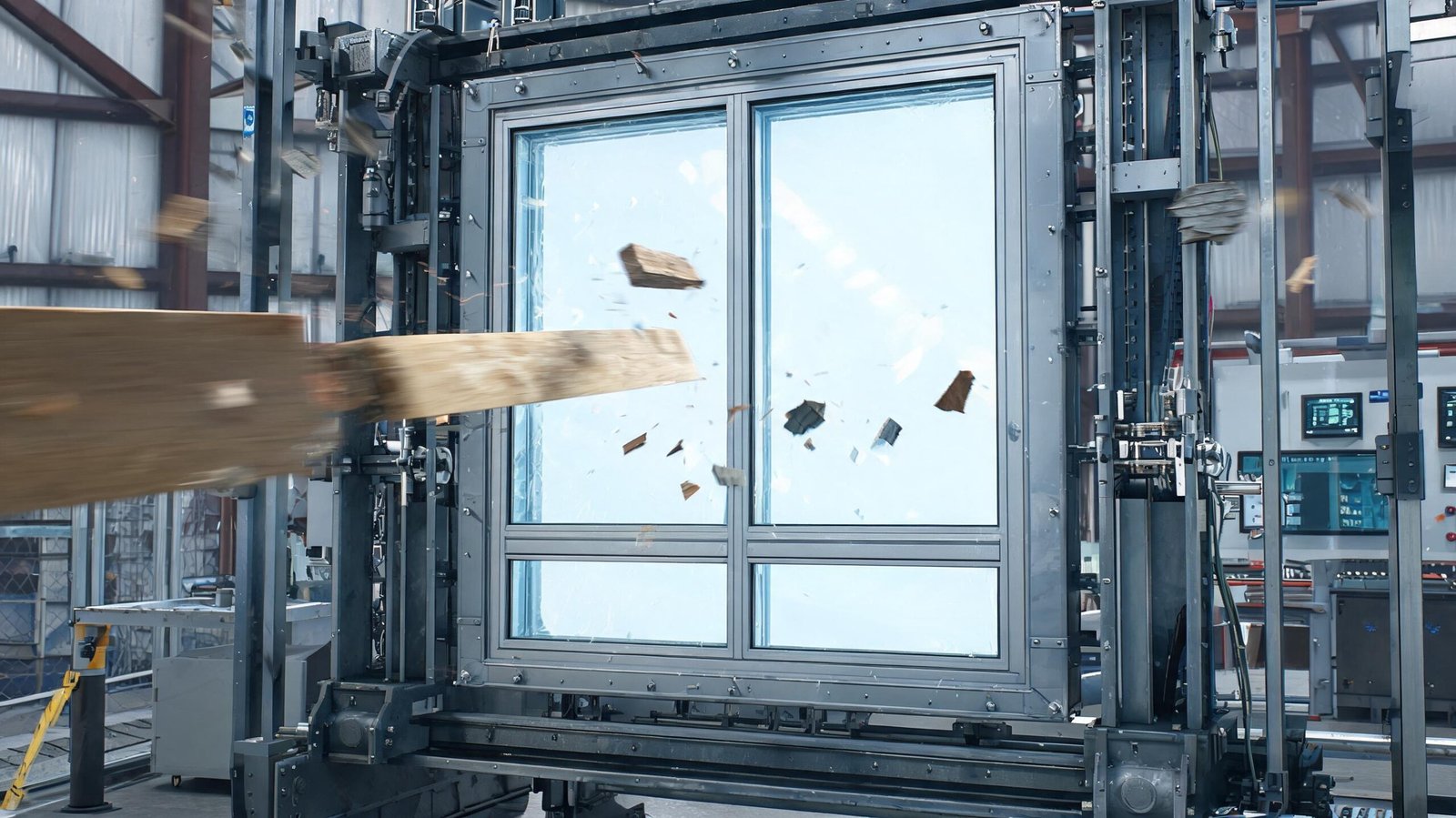
This isn’t your standard tempered glass. Impact-rated laminated glass has a polyvinyl butyral (PVB) interlayer that holds the glass shards together when the pane cracks. During testing, a 9-pound 2×4 timber is shot at the window at 50 feet per second—that’s simulated hurricane debris. The glass can crack, but it cannot create an opening larger than permitted by code. No penetration allowed.
3. Pressure-Equalized Drainage
Standard weep systems fail when wind-driven rain creates positive pressure on the exterior face. Pressure-equalized systems use a chamber design that balances interior and exterior pressure, allowing water that enters the frame to drain out naturally without being forced back into the building. This is critical for multi-story installations where wind speeds increase exponentially with height.
4. Hurricane-Rated Hardware
Impact windows aren’t just about the glass and frame. The locking mechanism must engage multiple points along the sash to prevent the window from being forced open under pressure. I’ve seen $2,000 impact windows fail because the builder used standard casement operators instead of hurricane-rated actuators.
The Real Cost of Leaky Windows in Coastal Environments
Let me give you the math I present to every homeowner considering this upgrade.
A single leaky window during a hurricane can cause $10,000 to $30,000 in interior water damage—drywall, flooring, cabinets, electrical. That’s not counting the mold remediation that follows six months later when the moisture trapped behind the baseboards starts growing.
Insurance companies in coastal zones are already cracking down. I’ve seen policies canceled because the adjuster’s drone photos showed single-pane windows in a wind-borne debris region. Upgrading to impact-rated storm windows for high wind areas isn’t just a comfort upgrade—it’s an insurance requirement in many coastal ZIP codes now.
Superwindowhouse’s Engineering Approach to Hurricane Resistance
This is where I get specific about what actually works. When I evaluate window manufacturers for my own projects, I look for independent testing certifications, not just manufacturer claims. Superwindowhouse’s impact-resistant storm windows are tested for hurricane-force winds and flying debris, ideal for leak-prone areas where standard units cannot hold up.
The engineering starts with the frame profile. Their aluminum hung windows use a multi-chambered design with internal reinforcement that maintains structural integrity under both positive and negative pressure loads. The interlocking sash design creates a mechanical barrier that prevents water from migrating through the joint—even when wind speeds exceed 110 mph.
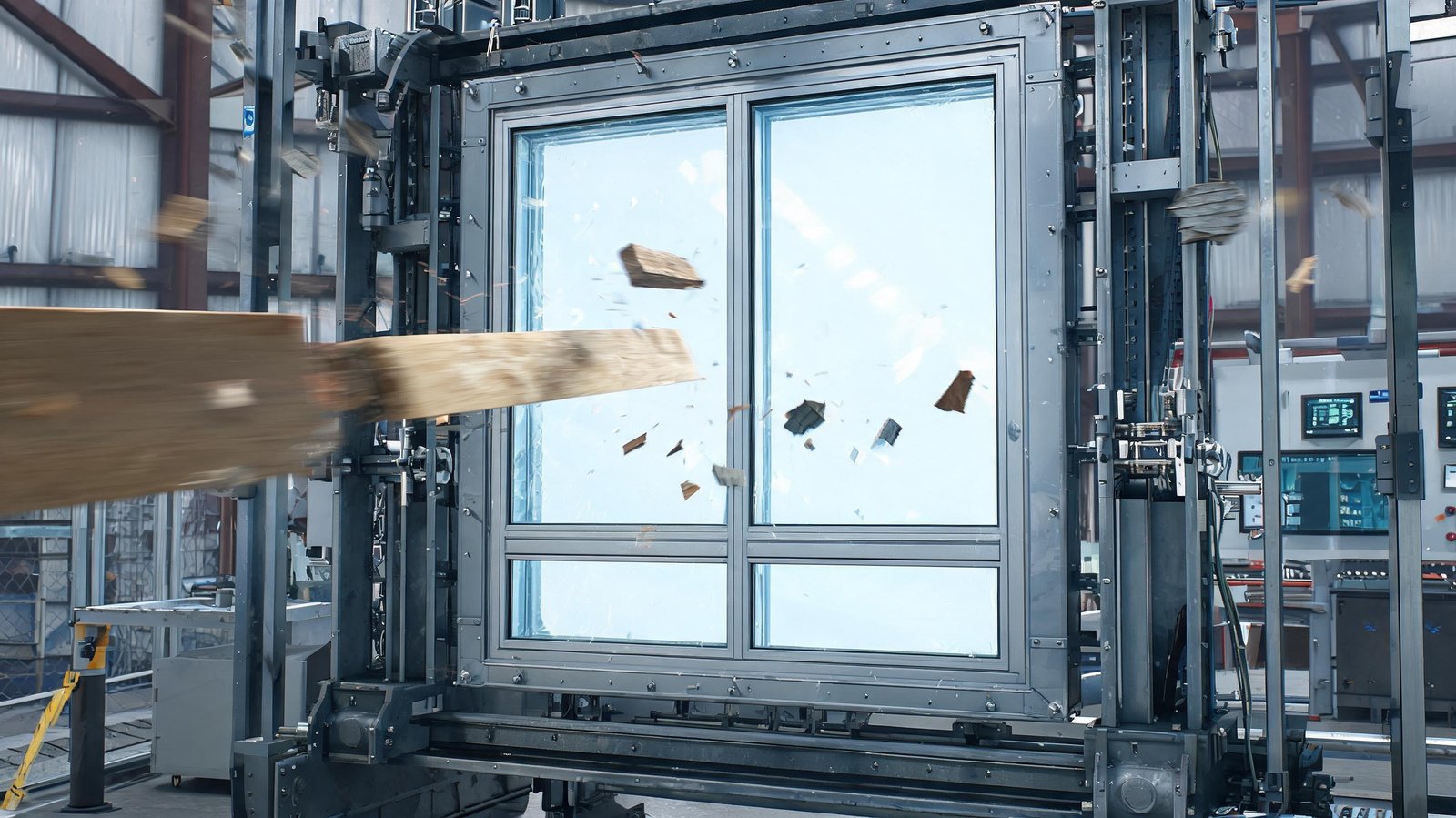
Here’s what sets their testing apart from the competition: they cycle through 9,000 pressure pulses simulating the sustained and gust conditions of a Category 4 hurricane. That’s not a single impact test—that’s continuous performance validation. After the structural test, they run the water penetration test at 25% higher pressure than the code minimum.
For homeowners in coastal zones, I specifically recommend their Impact-Resistant Storm Hung Windows because the design addresses the two most common failure points: the sill-to-frame interface and the meeting rail seal. The integrated drip cap and sloped sill prevent water from pooling at the bottom, while the cam-action lock pulls the sash tight against the compression gasket.
Installation Is 50% of the Performance
You can buy the most expensive impact window on the market, but if the installation is wrong, it’s worthless. In coastal applications, the rough opening preparation is more critical than the window itself. Here’s what I require on every job site:
- Peel-and-stick membrane: The entire rough opening gets wrapped with a self-adhering flashing membrane before the window goes in. This creates a water-resistant barrier that extends from the window frame into the wall cavity.
- Continuous structural shimming: Not just foam backer rod, but actual structural shims at every anchor point. The window frame must be supported against the rough opening to prevent sagging or racking that would compromise the seal.
- Over-flashing: The nailing fin gets covered with a secondary layer of flashing tape that overlaps the house wrap. Any gap in this interface is a guaranteed leak path.
- Interior air seal: The gap between the window frame and the finished wall gets sealed with low-expansion foam designed for windows. Standard spray foam can push the frame out of square.

Aluminum vs. Vinyl: Which Profile Works for Coastal Zones?
This debate comes up in every coastal project I spec. Here’s the reality:
Aluminum wins on structural rigidity and slim profiles. The frames don’t deflect under high wind loads, and the thermally broken versions achieve acceptable thermal performance. For impact-rated assemblies, extruded aluminum provides the backbone necessary for the heavy laminated glass. I’ve installed Superwindowhouse’s aluminum casement windows in high-rise coastal condos where wind loads exceed 140 mph—they hold up.
Vinyl wins on thermal performance and cost. Modern reinforced vinyl frames with integral steel chambers can match aluminum structural performance for most residential applications. The PVC material naturally resists corrosion from salt spray, which is a real concern for aluminum frames in coastal environments if the finish isn’t properly maintained.
For ground-level installations in salt-spray zones, I typically recommend vinyl frames with impact glass. For upper-floor installations where wind loads are extreme and sightlines matter, thermally broken aluminum is the better choice.
What the Code Actually Requires
If you’re in a wind-borne debris region (most coastal counties from Texas to Maine), the International Building Code requires your windows to meet either the Miami-Dade County protocol or the ASTM E1996 standard. These aren’t voluntary ratings—they’re code requirements for new construction and often for window replacements.
The testing protocol breaks down into three levels:
- Level D: Basic impact resistance for areas with sustained winds under 100 mph
- Level E: Enhanced impact resistance for areas with 100-120 mph sustained winds
- Level F: Maximum impact resistance for areas with sustained winds over 120 mph
Most coastal hurricane zones require at minimum Level D or Level E. Superwindowhouse’s impact-rated products are tested to Level F, exceeding the requirements for even the most stringent coastal building codes.
The Bottom Line for Homeowners
Here’s my advice after 15 years in this industry: don’t skimp on coastal windows. The difference between a $500 builder-grade window and a $1,500 impact-rated window is the difference between a dry home and a $50,000 water damage claim. The insurance premium discounts alone for impact-rated windows can recover the cost difference within 5-7 years.
When you’re evaluating options, look for the following certifications:
- Miami-Dade NOA (Notice of Acceptance)
- AAMA 506 structural testing
- ASTM E1886/E1996 impact testing
- NFRC U-factor and SHGC ratings for energy performance
If the manufacturer can’t provide these certifications in writing, walk away. A “hurricane-rated” claim without third-party testing documentation is worthless.
For homeowners in heavy rain and high-wind zones, I strongly recommend upgrading to impact-resistant storm windows that have been independently tested for the conditions you’ll actually face. The peace of mind during a hurricane—when you’re sheltering in place while 100 mph winds are throwing debris at your windows—is worth every penny.