The Physics Problem: Why Paint Fails Miserably
Heat insulation paint works on the principle of reflective ceramic microspheres. It claims to bounce radiant heat away from surfaces. Sounds good on paper—but here’s the reality check I’ve seen on countless job sites:
R-value per coat of insulation paint: roughly R-0.5 to R-1.0. That’s it. You’d need about 10 coats to match the thermal performance of a standard 2×4 wall with fiberglass insulation. And even then, the paint doesn’t stop conductive or convective heat transfer through the building envelope. The room is heating up because heat is migrating through walls, ceiling, floor, and potentially through ductwork or plumbing chases. Paint is cosmetic at best.
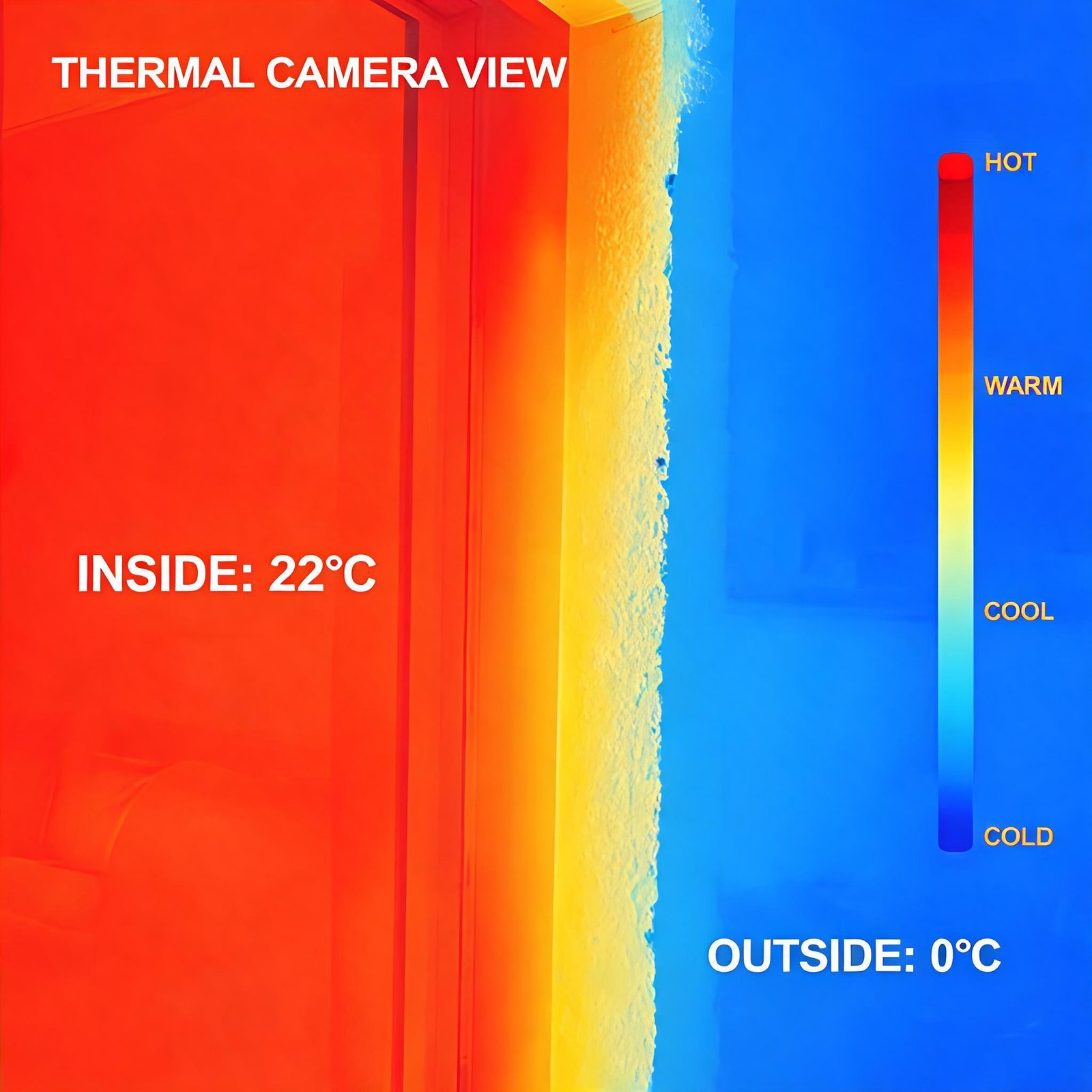
Foam boards? Better. Rigid polyiso or XPS foam at 2 inches gives you roughly R-13. But installation is a nightmare if you’re dealing with uneven surfaces, electrical boxes, or moisture concerns. And foam boards alone don’t solve the fundamental ventilation problem that’s cooking that room.
The Thermal Break Solution: Window Technology in a Windowless Room
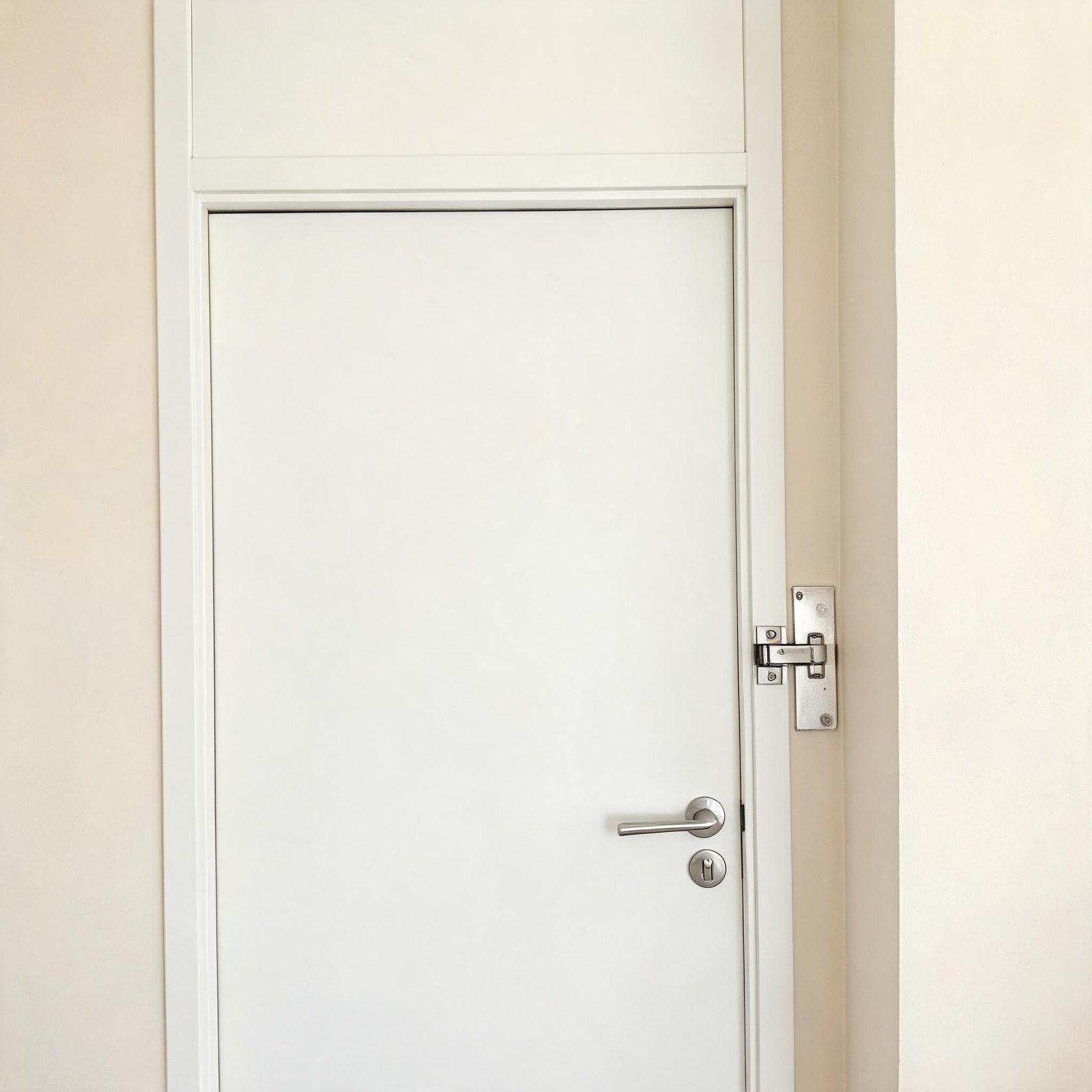
Here’s where the conversation shifts. Even without existing windows, you can strategically install a high-performance window system—or better yet, a thermally broken aluminum door unit—to create a controlled opening that allows for cross-ventilation, natural light control, and massive thermal resistance.
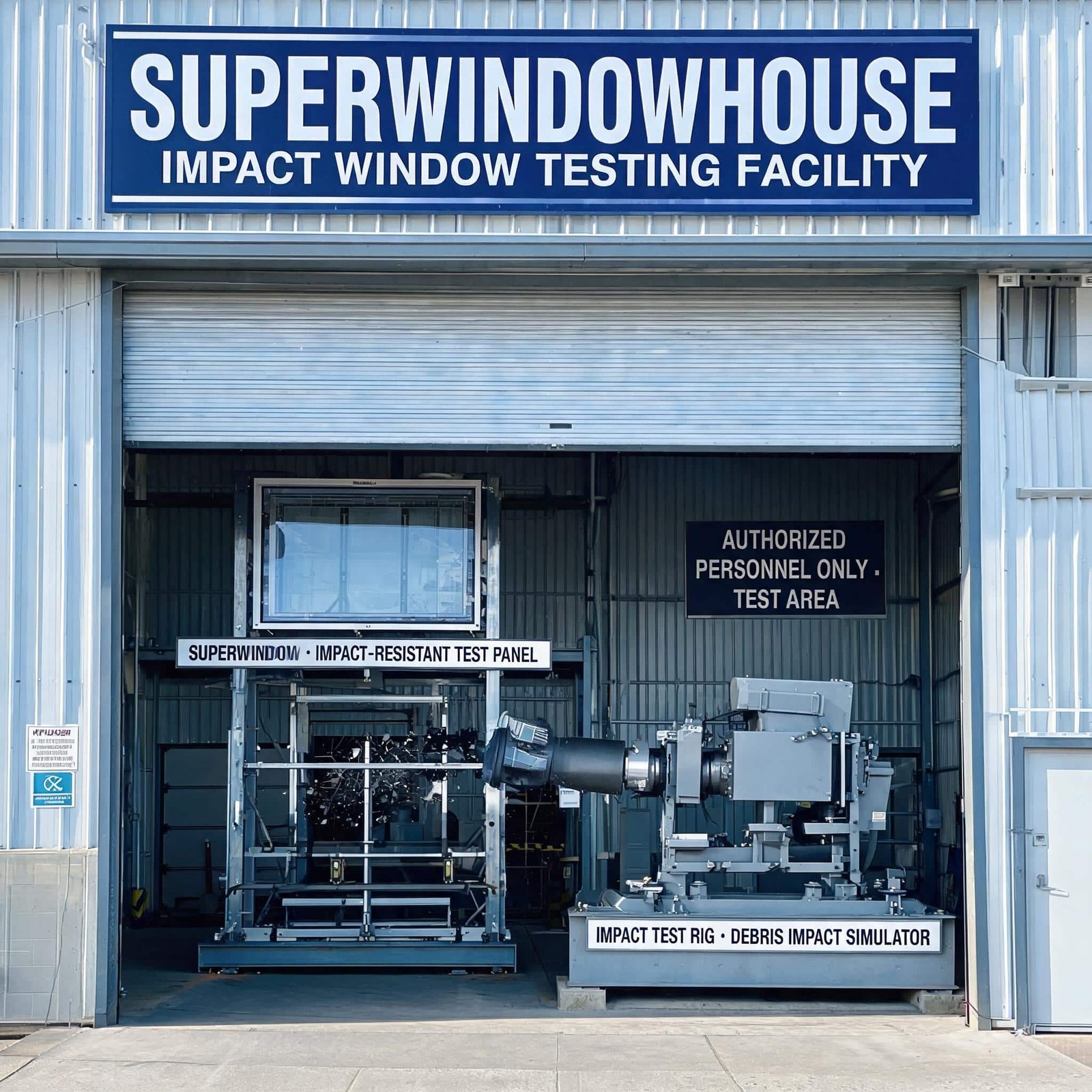
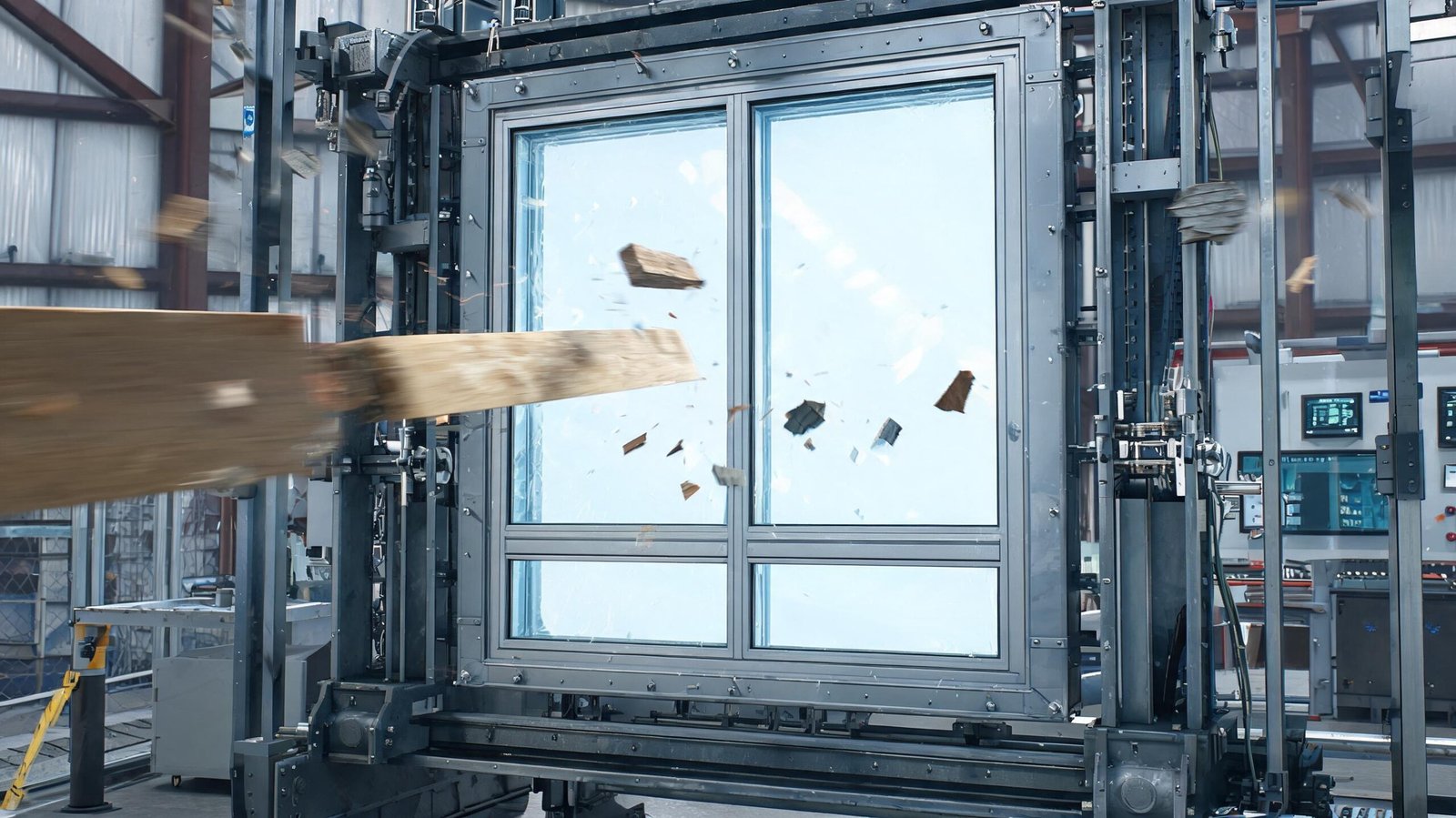
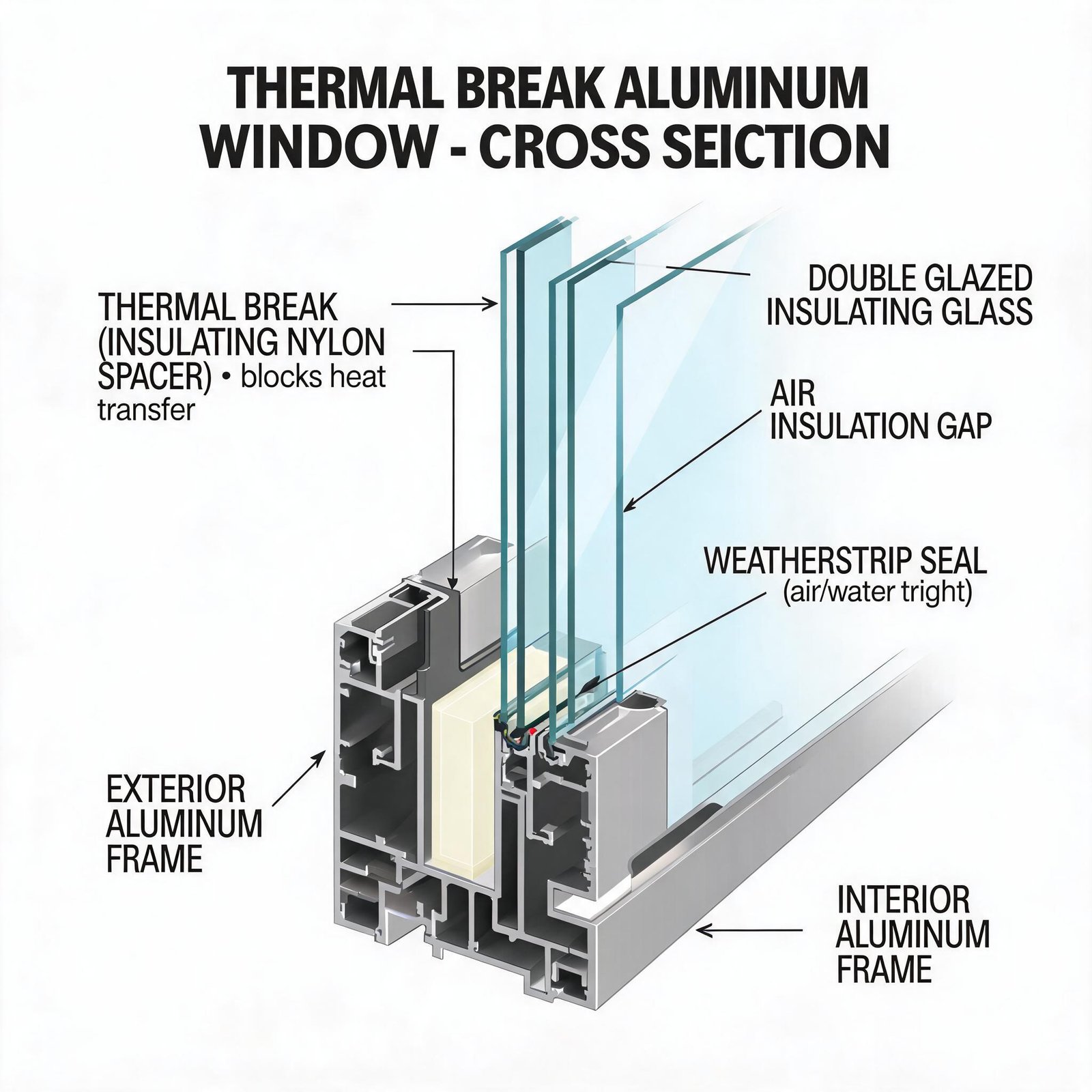
Superwindowhouse’s triple-pane Low-E windows achieve center-of-glass U-factors as low as 0.15—that’s roughly R-6.6 for the glass alone. The thermal break aluminum frame adds another R-3 to R-5 depending on the configuration. Compare that to paint’s pathetic R-0.5 per coat, and you’re looking at a 20x improvement in thermal performance for the opening itself.
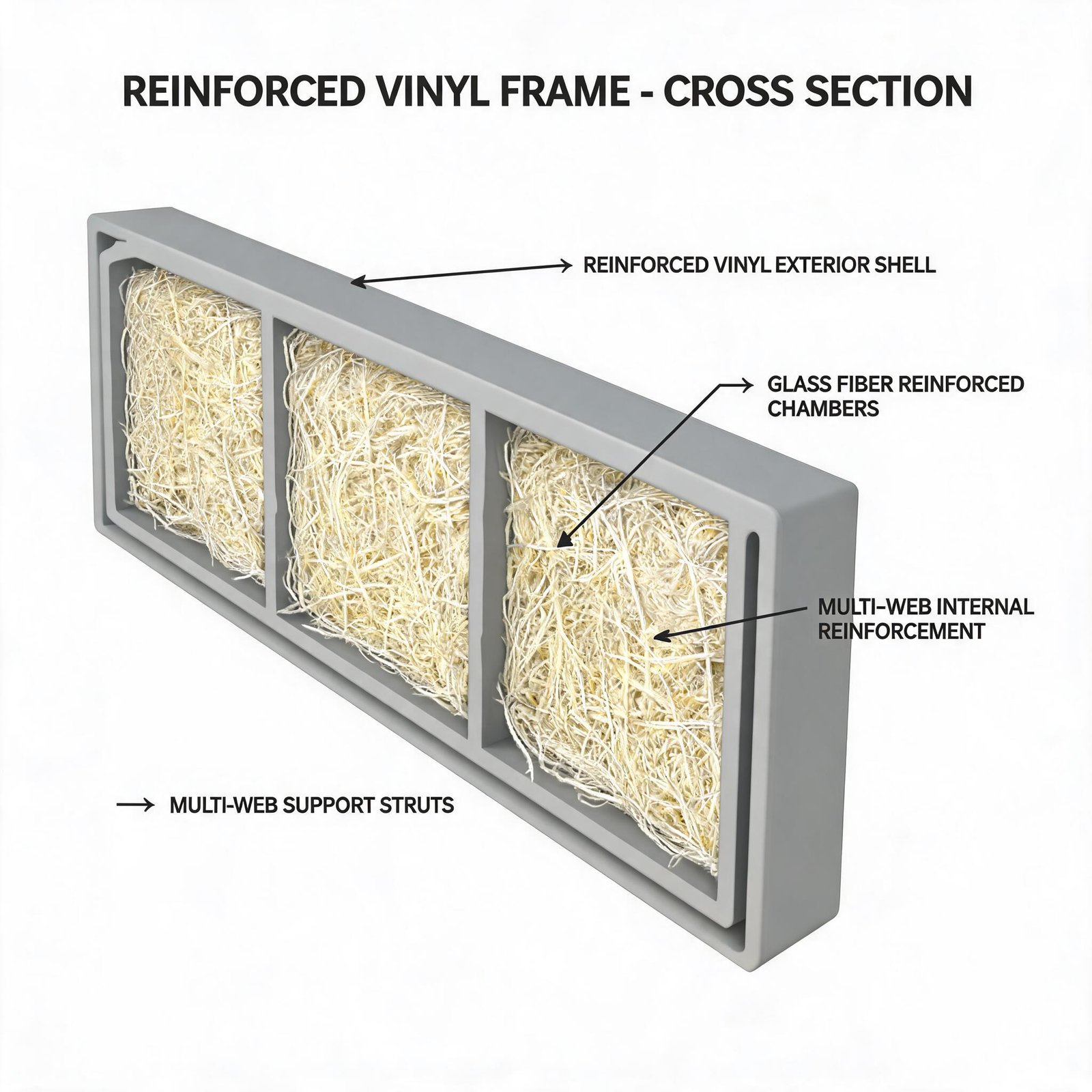
But wait—”my room has no windows to replace.” That’s the beauty of this approach. You don’t need an existing rough opening. We cut, frame, and install a new thermally broken aluminum casement window or a high-performance aluminum sliding window into an exterior wall. The thermal break—a polyamide or polyurethane strip separating the interior and exterior aluminum extrusions—literally stops heat from conducting through the frame. Paired with low-e coatings that reflect infrared radiation, you’ve got a system that permanently solves the overheating issue.
Hard Numbers: Heat Insulation Paint vs. Permanent Window Upgrades
| Solution | Effective R-Value | Longevity | Cost per sq ft (installed) | Impact on Room Temperature |
|---|---|---|---|---|
| Heat insulation paint (3 coats) | R-1.5 to R-2.0 | 2–5 years (fading/pitting) | $8–$15 | Reduces temp by 1–2°C |
| 2-inch foam boards | R-12 to R-14 | 10–15 years (moisture risk) | $5–$10 | Reduces temp by 3–5°C |
| Superwindowhouse triple-pane thermal break window | R-6 glass + R-4 frame | 30+ years | $35–$60 | Reduces temp by 8–12°C with ventilation |
The foam boards approach requires sealing all edges, vapor barriers, and careful moisture management. Even then, you’re not creating any ventilation—that room will still feel stagnant and potentially grow mold. A properly installed triple-pane window allows you to open it for natural airflow, dramatically changing the thermal dynamics of that space.
But What About Interior Rooms With No Exterior Wall Access?
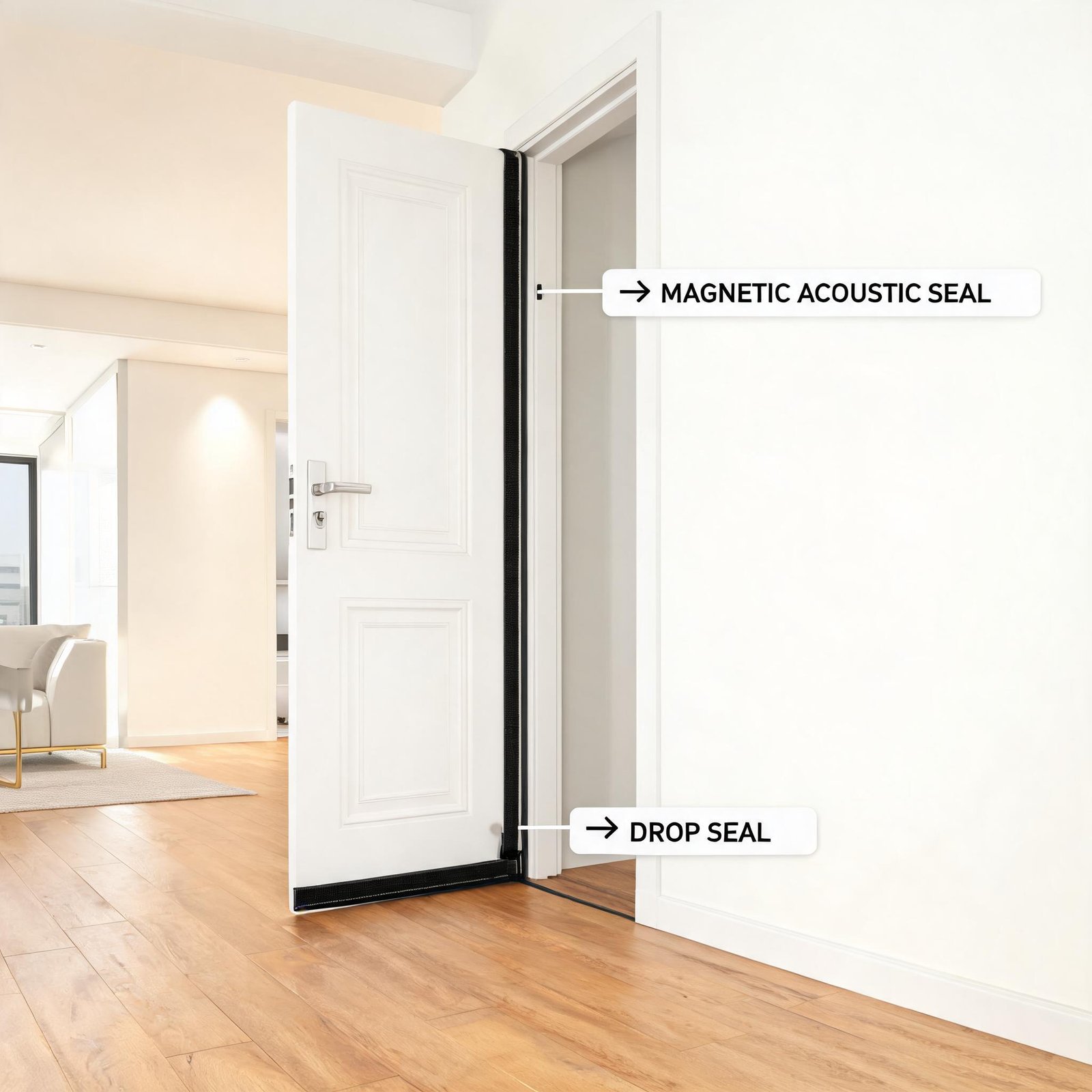
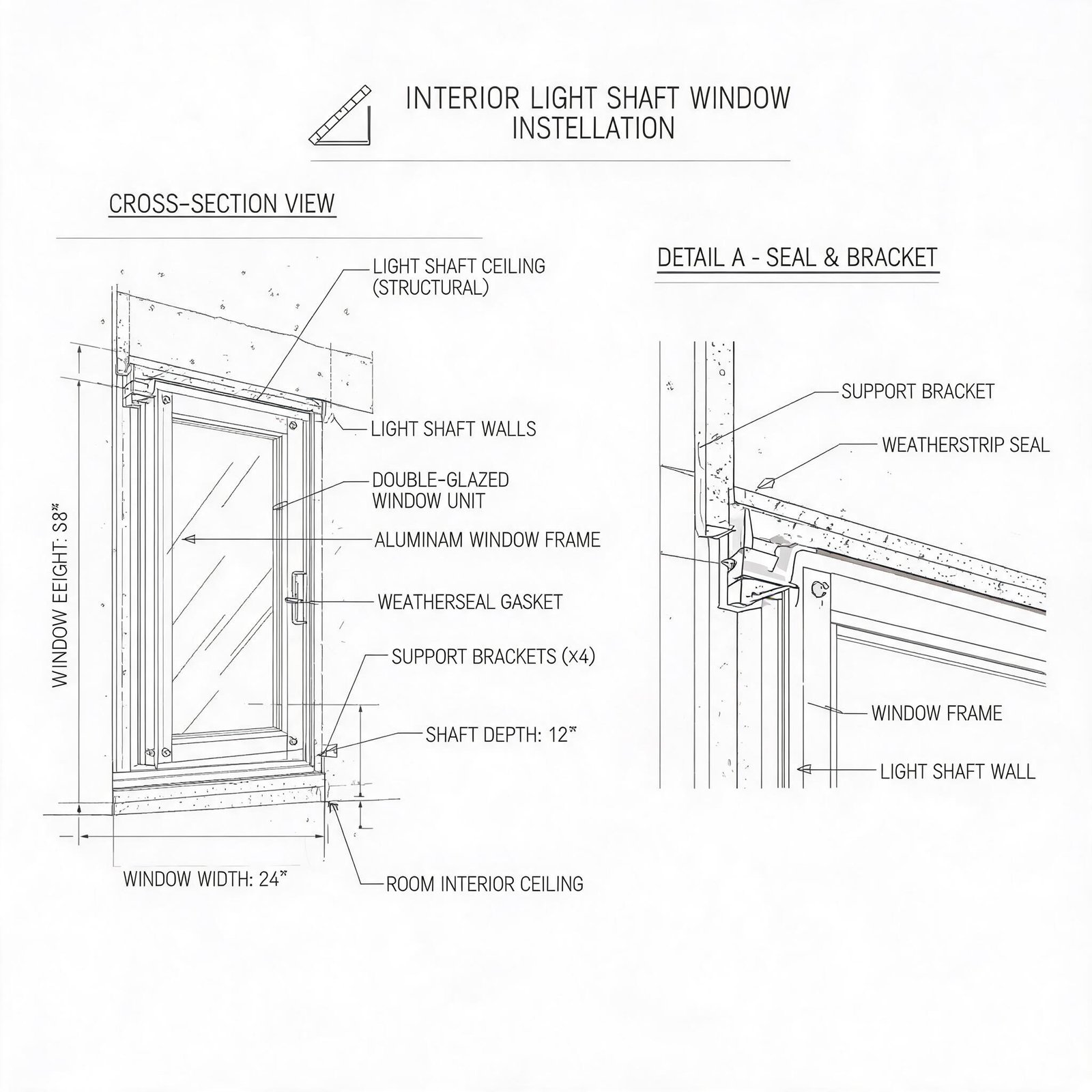
This is the question I get most often. If your windowless room is entirely interior—say, a basement storage room with no exterior walls—you can still benefit from window technology by installing an energy-efficient vinyl sliding door that connects to an adjacent space with proper ventilation. Another trick: install a high-performance window as an interior light shaft or even as a pass-through to an exterior wall via a short chase. I’ve done this in commercial buildings where interior spaces were hitting 40°C. We cut through the ceiling, framed a light well, and installed a thermally broken window at the exterior roofline. Solved the heat problem in a week.
The Ventilation Factor: What Paint and Foam Boards Can’t Touch
Here’s the dirty secret that nobody selling insulation paint will tell you: heat dissipation requires air movement. A room without windows that hits 36–38°C is accumulating heat from multiple sources—appliances, body heat, lighting, HVAC ducts that are too close. Paint can’t move air. Foam boards can’t move air. But a high-performance vinyl casement window with a multi-point locking system allows you to crack it open for natural convection. Hot air rises and exits; cooler air enters. That alone can drop the temperature by 5–7°C on a moderate day.
In my experience, there are three strategies that outperform insulation paint by an order of magnitude:
- Thermal break window installation into any accessible exterior wall
- Triple-pane low-e glazing for maximum solar heat gain coefficient (SHGC) control
- Operable window design for cross-ventilation
I’ve installed Superwindowhouse units in rooms where