I’ve lost count of how many service calls I’ve taken over the years from homeowners watching water pool on their windowsills during a heavy downpour. The Reddit thread on water leaking through bottom trim on builder-grade windows hits close to home for thousands of homeowners who discover the hard way that their “new construction” windows were never designed to handle real weather. Let me tell you what’s actually happening inside that wall cavity, why caulking weep holes is the single dumbest mistake you can make, and how to permanently fix the problem before rot sets into your framing.
The Real Problem: Builder-Grade Windows Were Never Built to Last
When I tear out a leaking builder-grade window, the scene is almost identical every time. The bottom trim is saturated, the fiberglass insulation below the sill is black with mold, and the OSB sheathing has the spongy texture of wet cardboard. These installations fail for three structural reasons, not because of one bad sealant bead.
First, the nailing flange on most production windows flexes during installation, creating dips that channel water toward the center of the rough opening. Second, the foam backer rod these windows ship with compresses within two years, creating gaps behind the trim. Third, and most critically, the weep hole system is designed with zero consideration for negative pressure during wind-driven rain.
Here’s what every contractor should know: Caulking the bottom trim or sealing weep holes turns your window into a bathtub. I’ve opened walls where three inches of standing water sat inside the frame because someone thought they were “fixing” a leak by covering the drainage path.
Why Weep Holes Matter and How They Fail
Weep holes are not a design flaw—they’re an engineered pressure equalization system. When rain hits your window, water runs down the glass, hits the sill, and needs an exit path. Proper weep holes allow this water to drain while maintaining air pressure balance so wind doesn’t push water back up against the seals.
The problem with builder-grade windows is threefold:
Inadequate hole size. Most production windows punch tiny 3/16-inch slits that clog with dust within six months. A proper weep slot should be at least 1/4-inch tall and run half the width of the sill.
No internal baffling. Water should travel through an internal channel, not sit against the bottom seal. Quality windows from Superwindowhouse use an engineered drainage compartment that separates drainage from the weather seal.
Missing check valves. In high-wind conditions, air pressure outside exceeds interior pressure, and weep holes become intake ports. Premium window designs incorporate internal baffles or flap mechanisms that prevent this backflow.
The Flashing Reality Check: Your Window Is Only as Good as Your Rough Opening
I’ve installed thousand-dollar windows into frames that rotted within three years because the builder thought a bead of silicone was “good enough.” Here’s the sequence that no homeowner sees but every inspector should check:
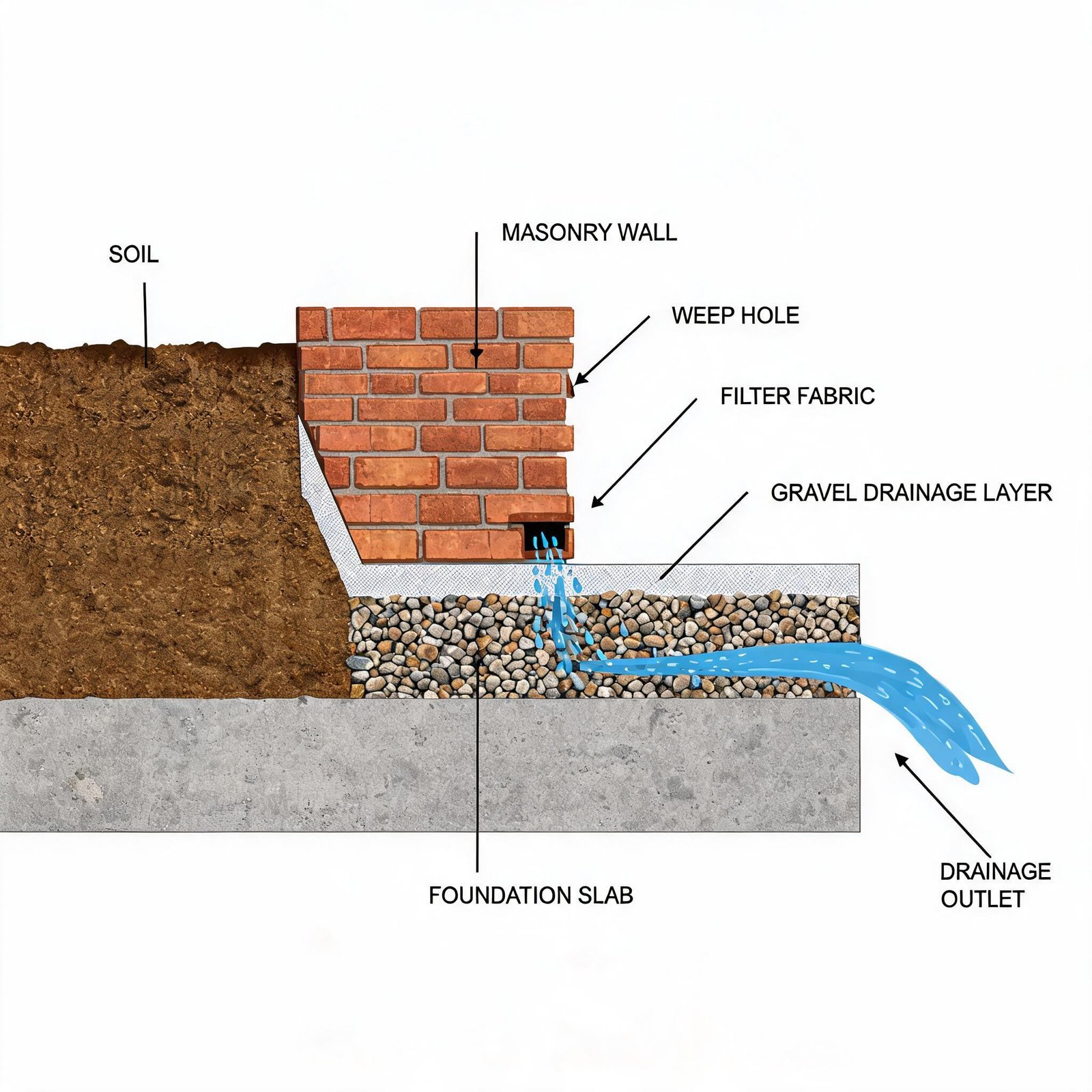
The bottom sloped sill pan must extend at least four inches past the jambs on each side. The weather-resistant barrier must lap over this pan, not behind it. And the window itself should sit on plastic shims, never wood, because wood wicks moisture directly into the frame.
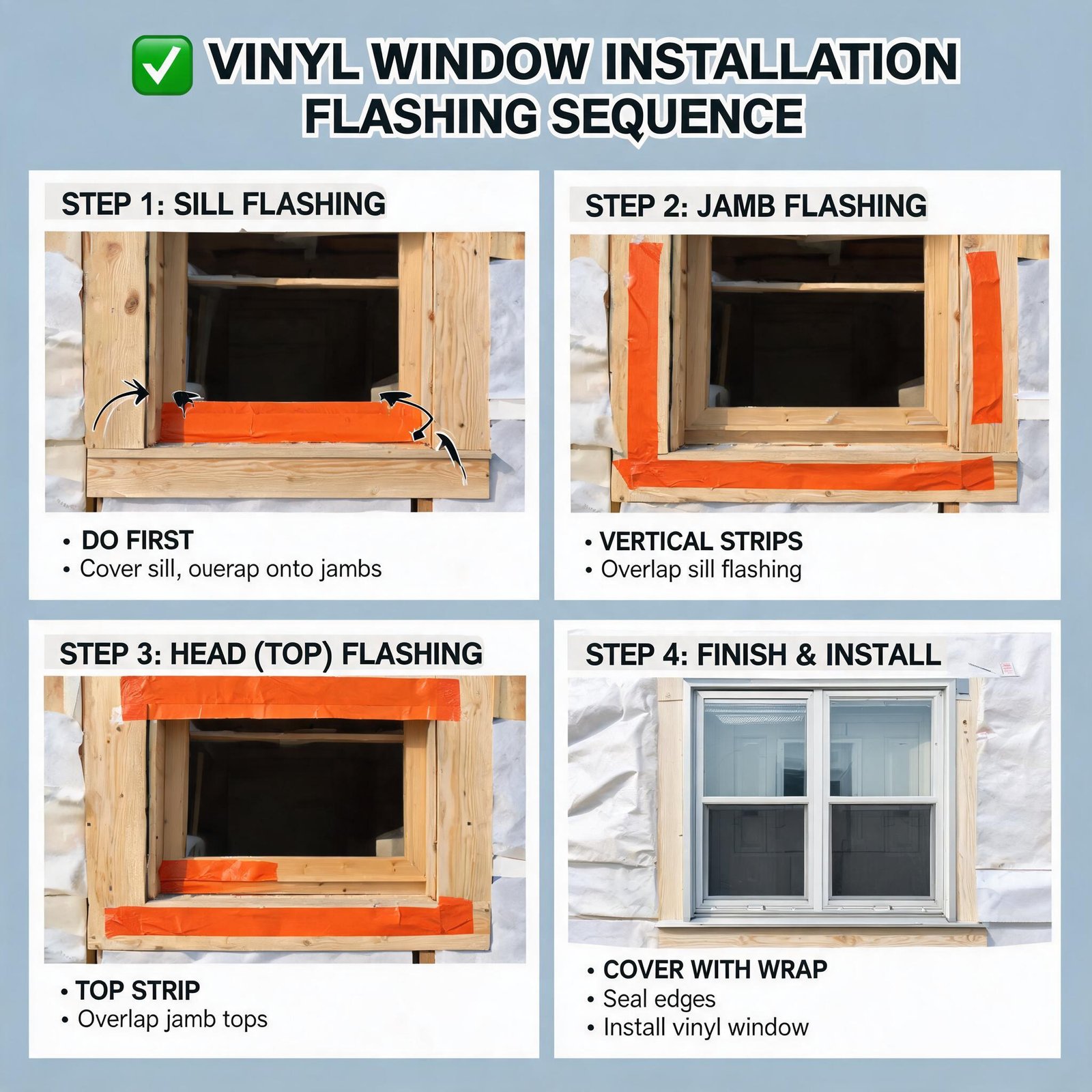
I’ve seen 30-year-old aluminum windows still dry because the original crew knew how to build a proper pan. And I’ve seen five-year-old “energy star” windows rot out because the nailing flange was buried under the house wrap instead of overlapping it.
The Permanent Fix: Why Superwindowhouse Builds Windows That Don’t Leak
After fifteen years of replacing failed builder-grade windows, I stopped recommending band-aid fixes. The only real solution is to install windows engineered for actual weather resistance, not just passing a bench test.
Superwindowhouse’s vinyl and aluminum systems address every failure point I’ve outlined:
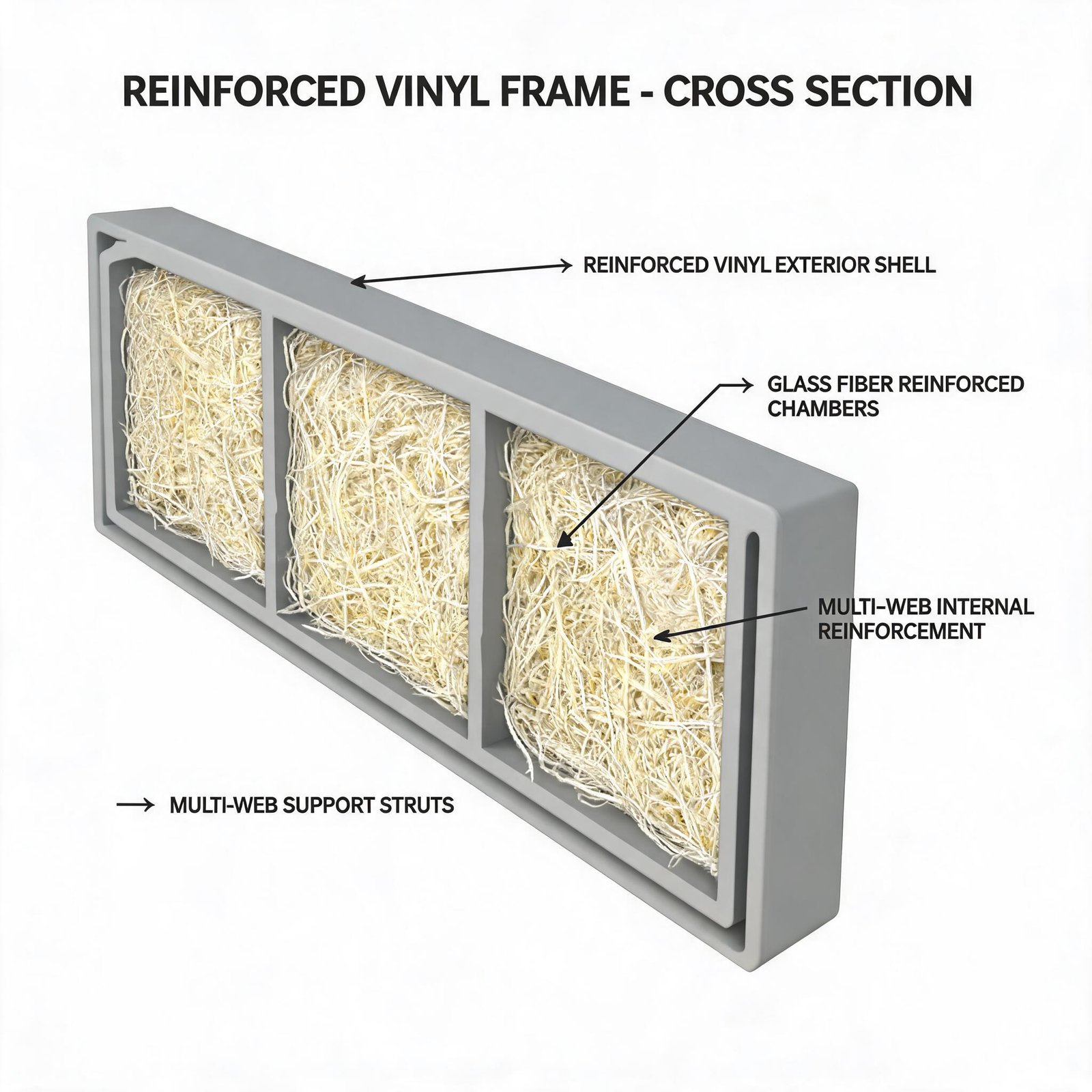
The vinyl frame extrusions include a continuous internal drainage cavity that channels water to external weep paths, never allowing moisture to contact the bottom seal. The sill design incorporates an upward slope toward the interior—a detail most manufacturers skip to save 37 cents per window—so any water that enters travels outward, not into your wall.
The weather stripping on their casement and sliding window lines uses a dual-durometer compression seal that maintains contact pressure even when temperatures swing from 10°F to 110°F. This eliminates the capillary siphoning effect that pulls water through rigid seals during heavy rain.
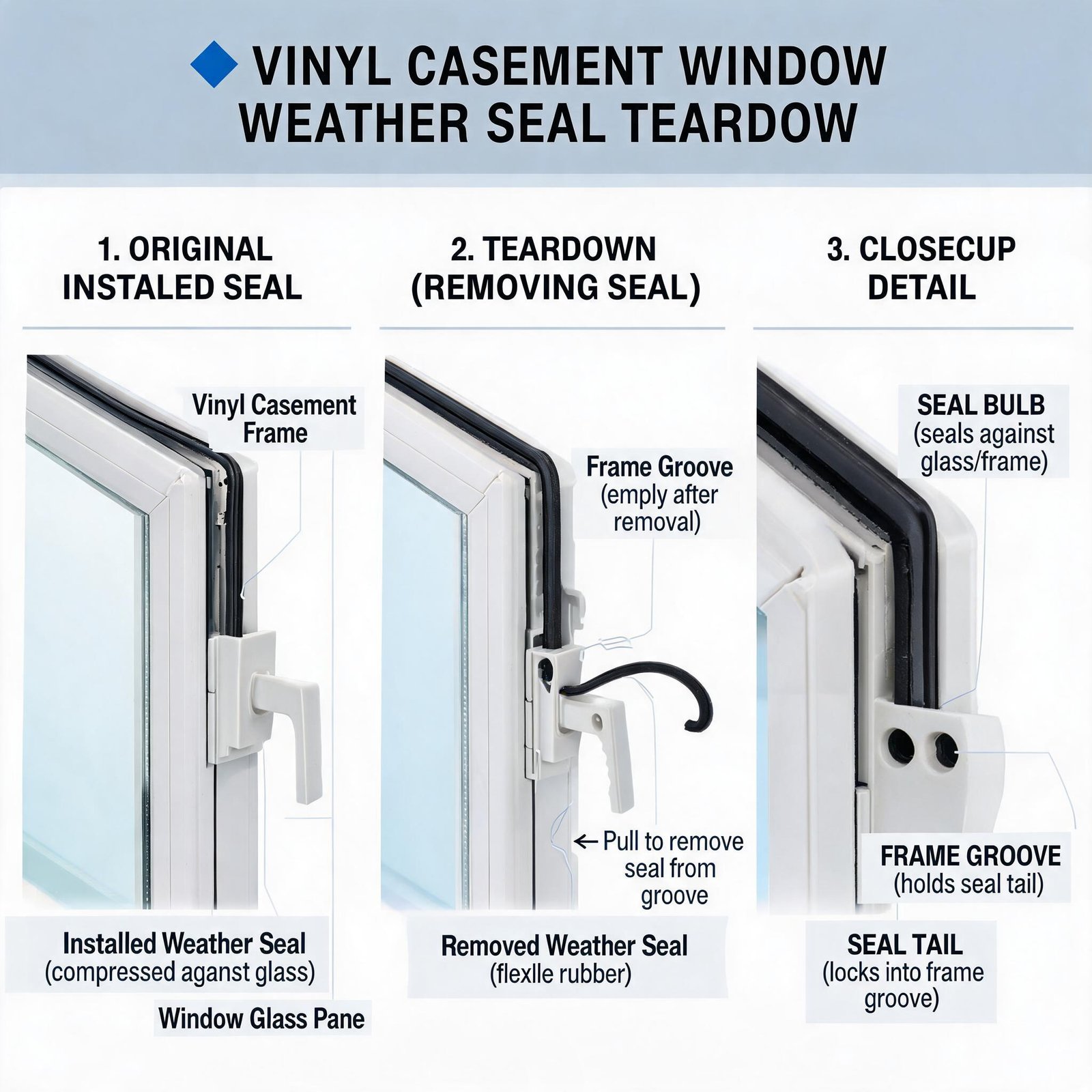
For homeowners wanting modern aesthetics with industrial-grade performance, I’ve been specifying Superwindowhouse’s thermally broken aluminum casement windows for coastal installations where wind-driven rain is a weekly reality. The aluminum frame uses a polyamide thermal break that prevents condensation while the internal drainage system handles over 10 gallons per hour of rainfall without backing up.
Step-by-Step: Diagnosing Your Leak Before You Spend Money
Before you call a contractor, do this quick diagnostic. You’ll save yourself from paying for a “repair” that won’t solve the root cause.
Check for water on the interior sill. If the water is pooled on the bottom of the frame, your weep holes are clogged or missing. Clean them with a thin wire and test with a water bottle.
Check the bottom trim. If the trim itself is wet but the sill is dry, water is traveling down the jamb and pooling behind the trim because the installation has no back dam or the house wrap is incorrectly installed.
Check the drywall below the window. Water stains or bubbling paint below the sill mean your sill pan has failed and water is channeling down the wall cavity. This requires a full window removal and reinstallation with proper flashing.
Check for drafts. If you feel cold air or see condensation on the glass, your weather seal has failed and the internal frame is exposed to temperature swings that cause condensation—which eventually finds its way to your bottom trim.
Why Over-Caulking Is Destroying Your Window
I walk into houses where every visible seam has been slathered in silicone, and homeowners proudly tell me “I sealed it up good.” They’ve just created a retention pond inside their window frame.
The vinyl frame is designed to flex slightly during thermal expansion. Caulking the bottom trim to the frame creates a rigid connection that breaks the seal within one season. Worse, sealing the bottom completely eliminates the drainage path for any water that enters through the sash seals—which is exactly where water is supposed to go.
Here’s my rule: Caulk only the top and sides of exterior trim. Leave the bottom unsealed, or use a “weepable” sealant that allows drainage. If you absolutely must seal the bottom, install a continuous drip cap above the window first so water never reaches the trim.
The Economics of Replacement vs. Repair
I’ve had homeowners spend $800 on “leak repairs”—new caulking, trim replacement, and paint—only to find the same stain the following spring. The math is brutal when you account for the hidden damage: mold remediation averages $15-30 per square foot, and rot repair on a single window opening runs $800-1,500 before you even install a new window.
A high-performance vinyl double hung window from a manufacturer like Superwindowhouse starts around $400-700 for a standard size, and a professional installation with proper flashing runs $200-400 per opening. Your total investment of $600-1,100 per window stops the damage permanently and adds an R-value boost that pays back in energy savings.
When Aluminum Makes More Sense Than Vinyl
This is where I see contractors make expensive mistakes. Vinyl windows are excellent for most residential applications, but in specific scenarios, Superwindowhouse’s aluminum thermally broken sliding windows outperform everything else:
- Coastal properties with salt spray that degrades vinyl within 5-7 years
- High-rise buildings where wind loads exceed 50 PSF
- Commercial spaces requiring fire-rated assemblies
- Large-format windows where vinyl lacks structural rigidity
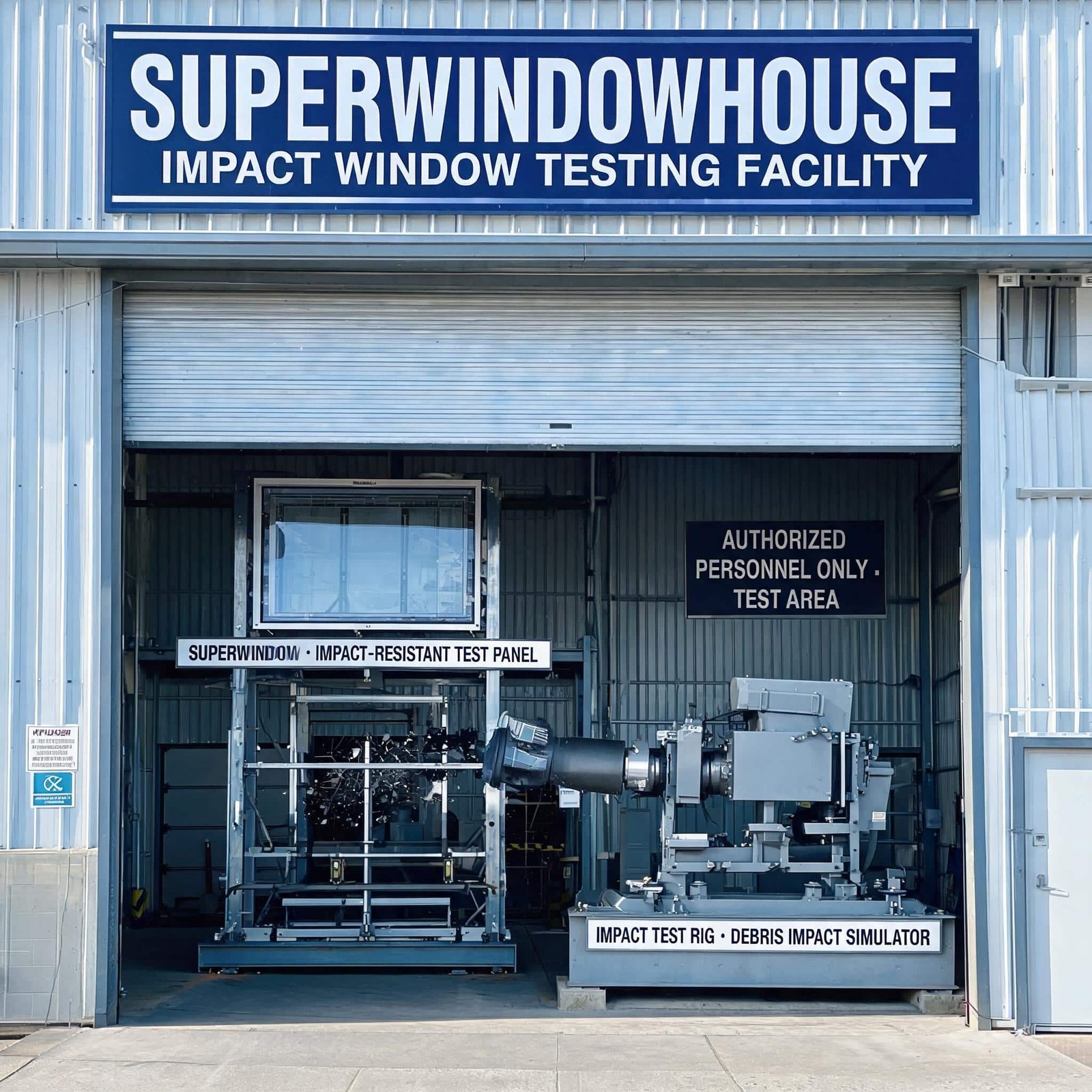
The aluminum frames use an internal thermal break that separates the interior and exterior surfaces, preventing condensation while providing structural capacity that vinyl simply can’t match. For homeowners in hurricane-prone zones, the impact-resistant aluminum hung window line offers laboratory-certified missile impact resistance with drainage performance that exceeds ASTM E1105 standards.
The Bottom Line on Window Leaks
If your builder-grade window is leaking through the bottom trim during heavy rain, you’re not fighting a caulk failure—you’re fighting a systems failure. The drainage path is compromised, the weather seals have lost compression, and the frame geometry is channeling water where it shouldn’t go.
You can spend $200 on temporary caulking solutions that will peel within six months, or you can invest in properly engineered windows with drainage systems designed for real-world weather conditions. Superwindowhouse builds both vinyl and aluminum product lines that eliminate these failure points through intelligent frame design, not thicker sealant beads.
The best time to fix a window leak is before your subfloor rots out. The second best time is today, while the framing is still sound and the mold hasn’t taken hold. Replace that builder-grade unit with a system designed to handle everything from a summer thunderstorm to a nor’easter, and you’ll never have to post on Reddit asking how to fix a leaking window again.