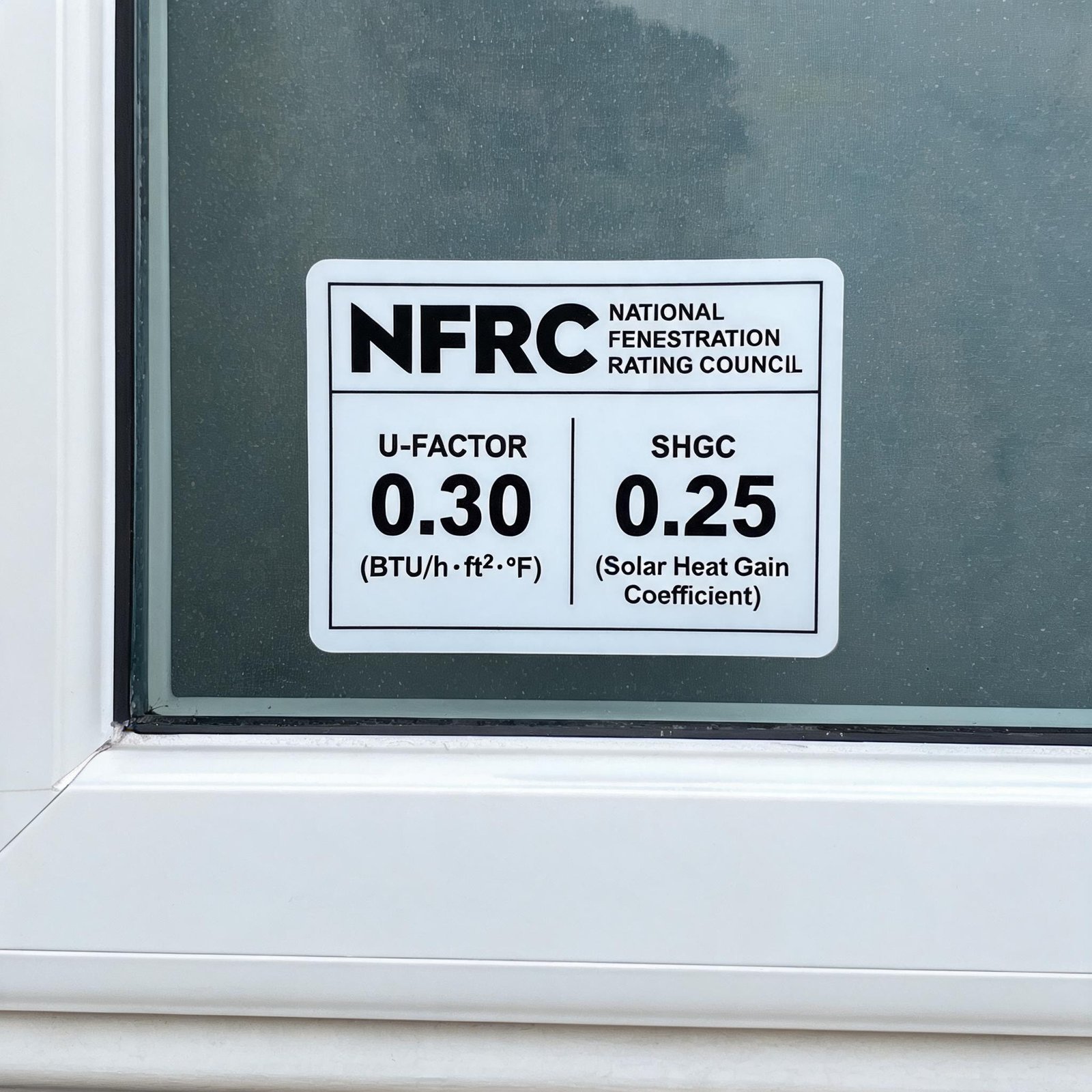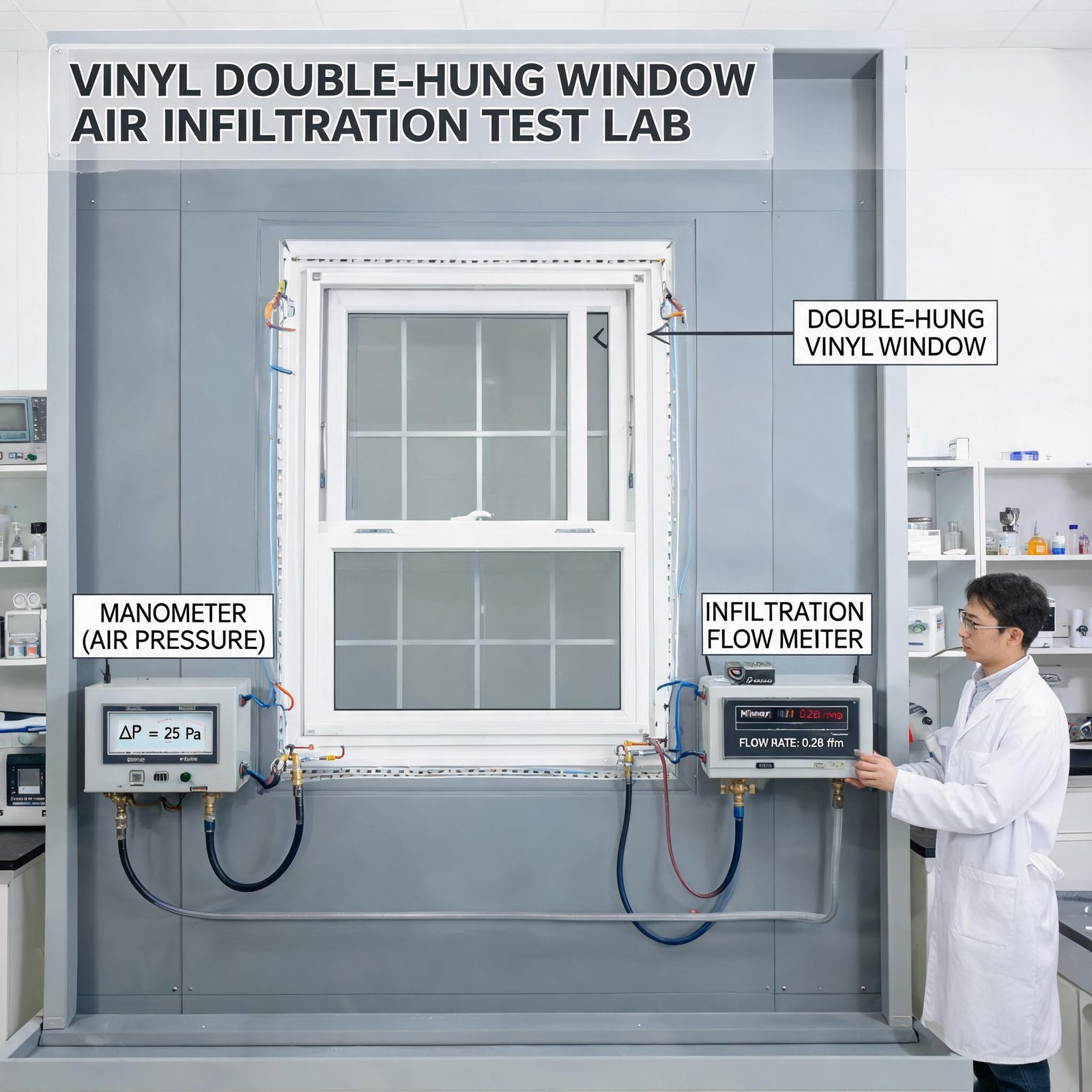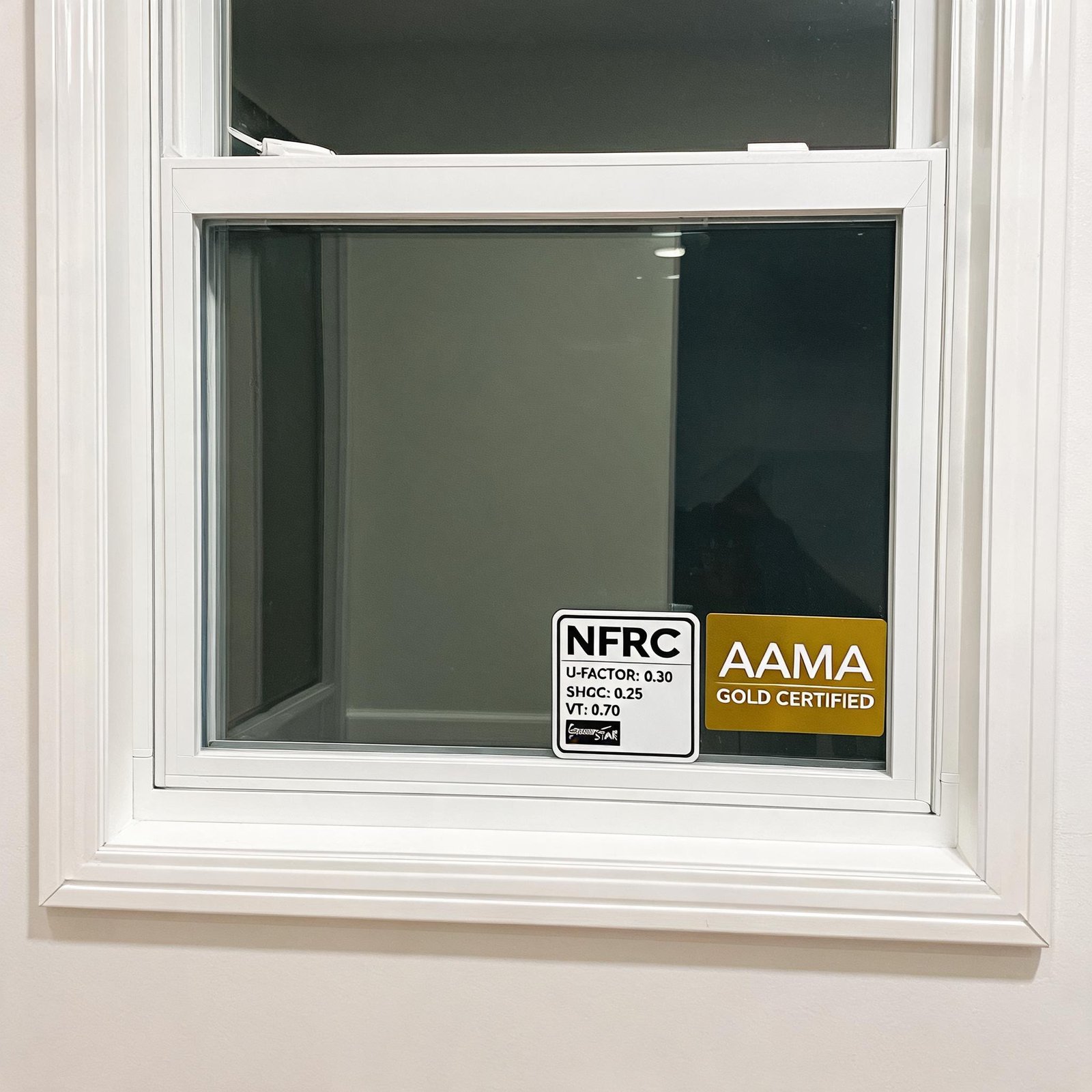
The primary benefit of vinyl casement windows is their superior airtightness, which directly translates to the highest energy efficiency and structural weather resistance of any operable window type, making them the optimal specification for modern high-performance buildings. This performance is not an accident; it is a function of the compression seal created when the sash is pulled tightly against the frame by a multi-point locking system, a mechanical advantage impossible to achieve in sliding or hung window designs. For US builders and contractors, specifying a properly tested vinyl casement window can yield a tested air leakage rate below 0.05 cfm/ft² (often beating AAMA Class 630 RC ratings) and a U-Factor as low as 0.18 with triple glazing, directly impacting project HERS Index scores and Energy Star compliance.
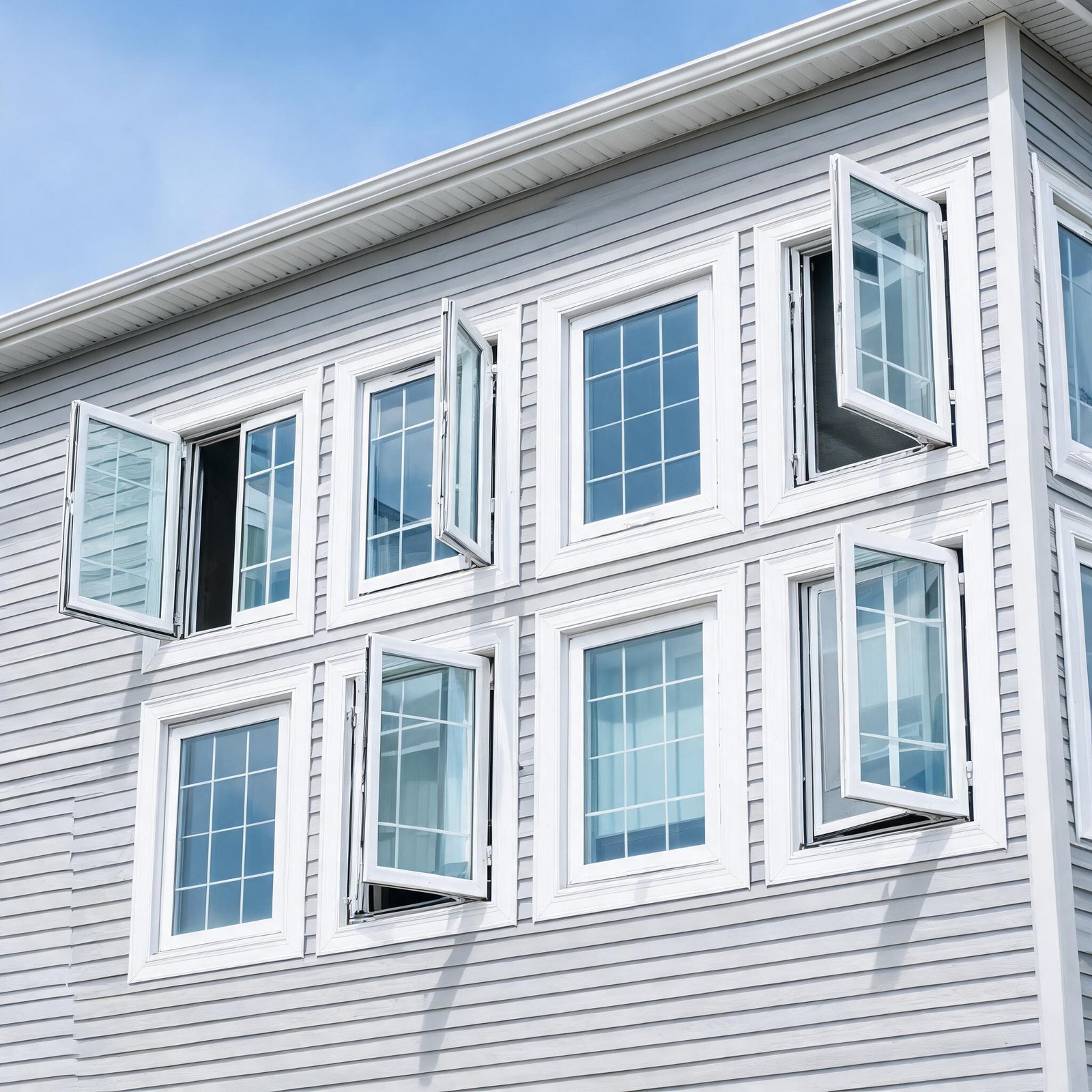
The Core Engineering Advantages of PVC Casement Profiles
Why choose a vinyl swinging window over other operating styles? The answer lies in the physics of the seal. Unlike double-hung or sliding windows that rely on a sliding interface which can degrade over time, the casement window’s hinge mechanism allows it to function like a door. This design offers distinct, quantifiable benefits for architects and specifiers.
1. Best-in-Class Air Leak Performance for Vinyl Casement Windows
The air leak performance of vinyl casement windows is arguably their most critical technical advantage for modern, tight building envelopes. A sliding window typically achieves an air leakage rating of 0.3 to 0.5 cfm/ft². A high-quality vinyl casement, however, consistently tests below 0.1 cfm/ft².
- Compression Seal: This is the key. The locks pull the sash compressors against the main frame gasket. There is no sliding friction to blow out a weatherstrip.
- AAMA Certification: Third-party testing per ASTM E283 confirms these low leakage rates. For projects requiring Passive House certification or extremely tight enclosures, a vinyl casement is often the only viable operable window option.
- HVAC Implications: Lower air leakage means less uncontrolled infiltration. This reduces the load on your HVAC system, allowing for smaller, cheaper equipment and more consistent comfort for the end-user.
2. Multi Point Locking Mechanism: The Security Rating Foundation
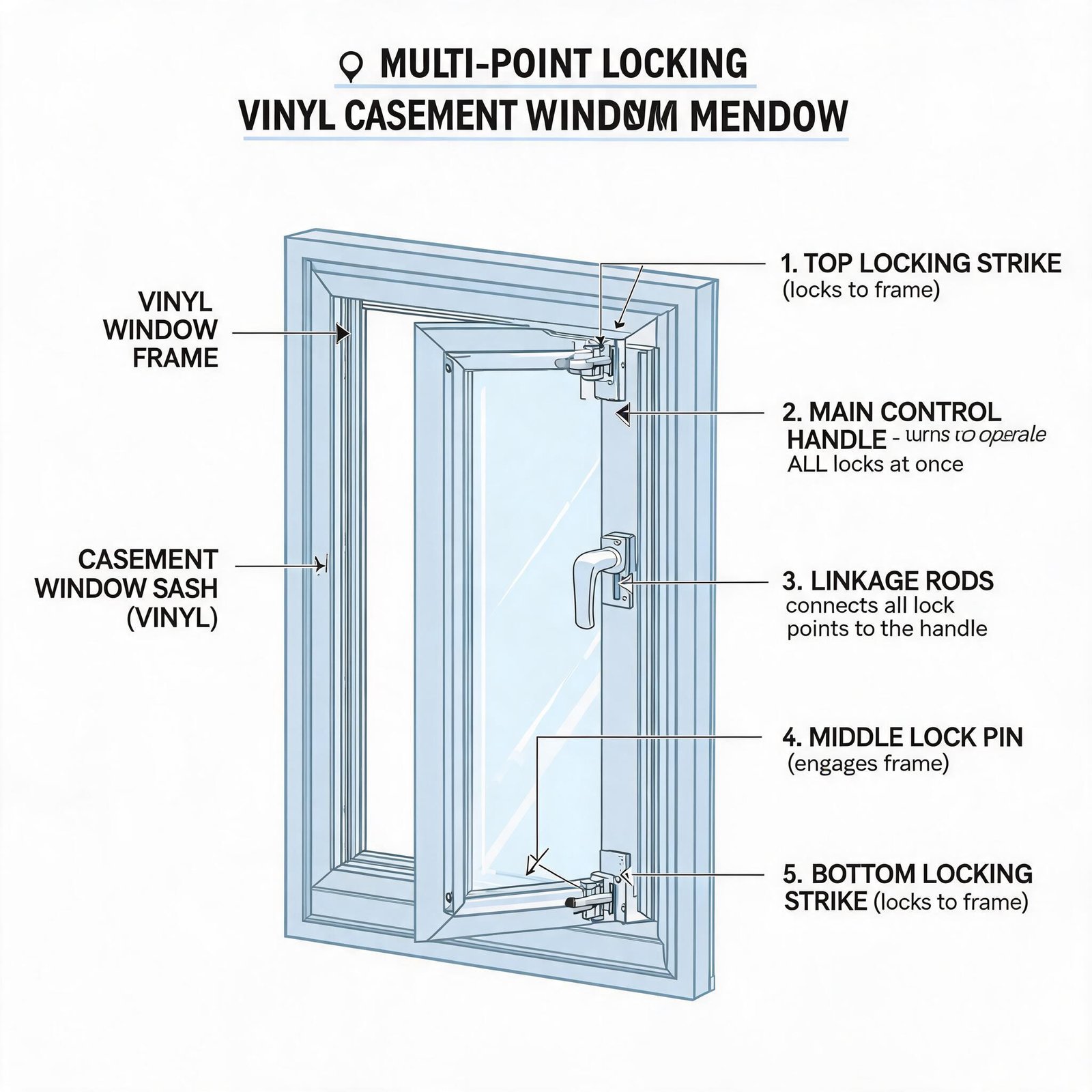
The multi point locking vinyl window security rating is a direct result of the casement’s structural design. A standard cam-lock on a single-hung provides a single point of engagement. A multi-point lock on a casement engages at two, three, or four points along the sash edge.
- Structural Integrity: This distributed locking force pulls the sash into the frame, creating a rigid, unified structure. This directly improves the window’s Design Pressure (DP) rating, often allowing a vinyl casement to achieve DP50 or higher, suitable for high-wind zones.
- Forced Entry Resistance: When engaged, the locking pins are deeply captured by the keeper plates in the frame. This makes it physically impossible to defeat the lock by prying the sash away from the frame. For specifiers in areas like hurricane zones or high-crime urban centers, this is a non-negotiable spec item.
3. Soundproof Ratings for uPVC Casement Windows
While sound transmission is complex, the soundproof ratings for uPVC casement windows consistently outperform other operable styles for one reason: the seal.
- Acoustic Performance (STC/OITC): The combination of a superior compression seal and the mass of multi-chambered vinyl profiles allows a standard unit to achieve a Sound Transmission Class (STC) rating of 35-38. With laminated glass or an asymmetric laminate package (e.g., 3/16″ – 1/2″ – 5/32″), STC ratings of 40+ are easily achieved.
- Seal vs. Structure: The seal is actually more important for sound control than the glass thickness in many cases. A tiny air leak around a sliding window will negate the acoustic performance of even the most expensive laminated glass. The casement eliminates this weak link entirely.
Technical Specifications: A Builder’s Guide to Vinyl Casement Windows
When evaluating suppliers, you need hard data, not marketing fluff. The following table provides a comparison of typical performance specs for a premium vinyl casement window versus standard building code requirements.
| Performance Characteristic | Standard Code Requirement | High-Performance Vinyl Casement (Example) |
|---|---|---|
| Structural (DP Rating) | DP30 (Min) | DP50+ (AAMA/WDMA/CSA 101/I.S.2/A440) |
| Air Leakage | 0.30 cfm/ft² (Max) | ≤ 0.03 cfm/ft² (Typical Test) |
| Water Resistance | 5.0 psf (Minimum) | 8.0 – 12.0 psf (Standard) |
| U-Factor | 0.45 (Energy Star) | 0.22 to 0.18 (Triple Glazing, Low-E Argon) |
| SHGC | 0.25 – 0.40 (Varies by Climate) | 0.21 – 0.60 (Customizable via coatings) |
| Acoustic (STC) | No Code (Desirable: 30+) | 36 – 44 (With Laminated Glass) |
Specifying a window that performs at the level shown in the right column means you are building a superior product. For a detailed look at the specific profiles and options we manufacture, review our full-page technical data on the vinyl casement window.
The Operational and Thermal Advantages of Choosing Vinyl
Beyond the hardware and sealing performance, the material itself—vinyl (PVC)—offers distinct advantages for the modern building envelope.
Why Choose a Vinyl Swinging Window Over Aluminum or Wood?
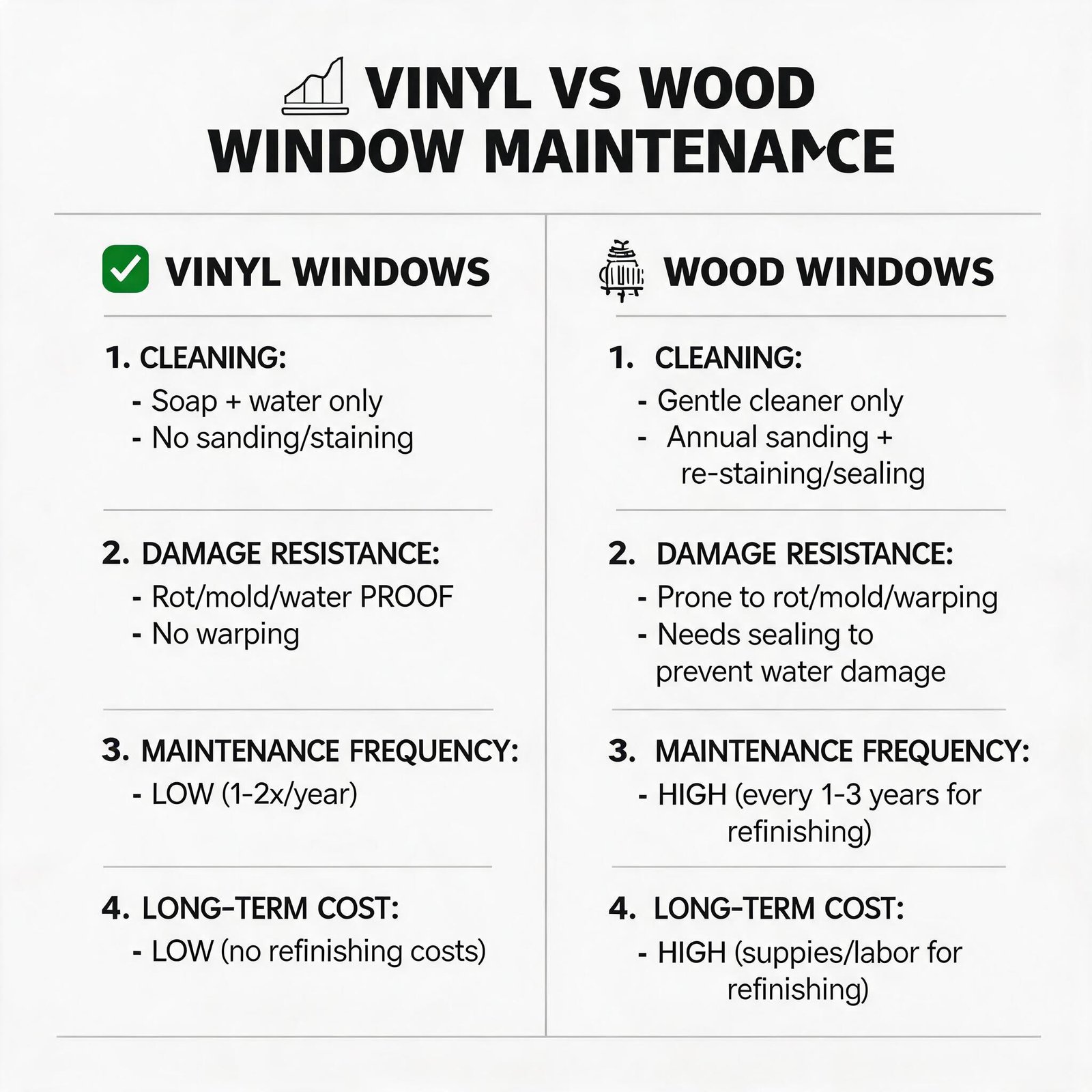
- Thermal Performance: PVC’s cellular structure acts as a natural thermal break. It is inherently more insulative than aluminum. Unlike wood, it doesn’t warp, swell, or rot, maintaining its compression seal geometry for decades.
- Thermal & Solar Values: The multi-chambered extrusions provide exceptional insulation value, drastically lowering the frame’s U-Factor. Furthermore, the frame depth allows for thick, high-performance glass packages.
- Maintenance: A high-quality, co-extruded vinyl window is essentially maintenance-free. It never needs painting, and the color is integral to the material. This is a significant cost-savings for building owners over the 30+ year lifecycle of the product.
Ventilation and Usability on the Job Site
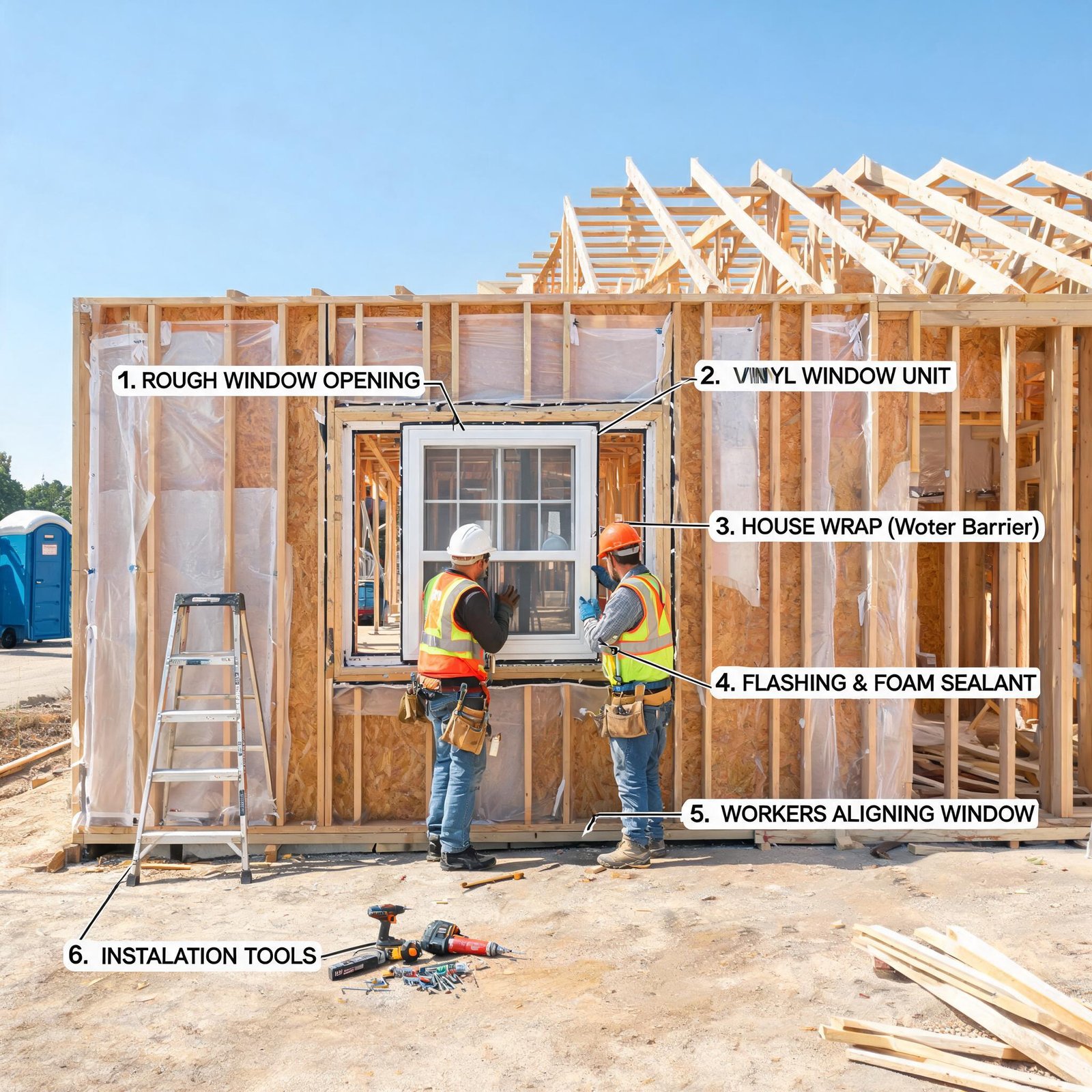
For general contractors and builders, the casement window offers practical benefits during and after construction.
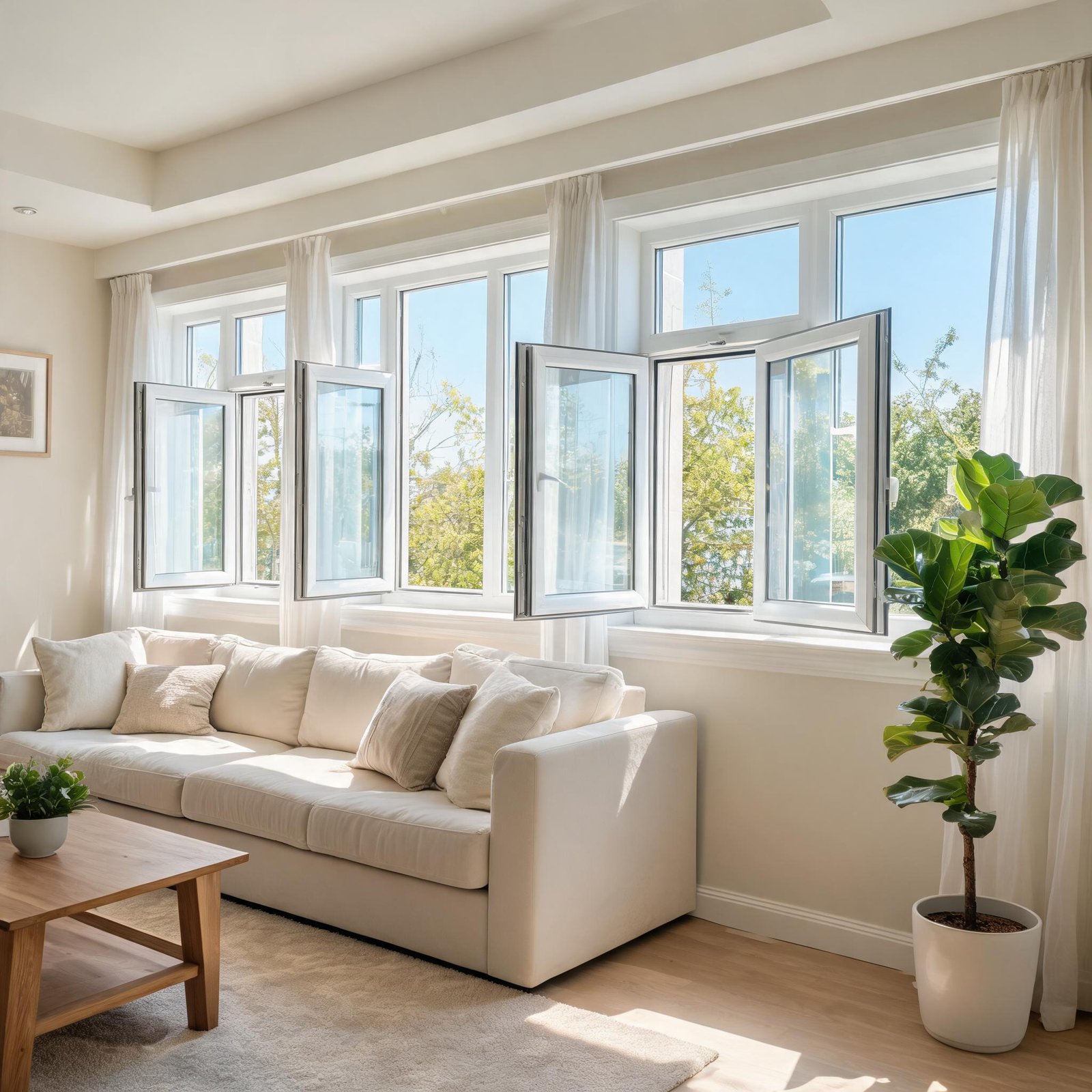
- Superior Ventilation: The sash swings fully open, acting like a scoop to direct 90-95% of the opening area to airflow. This creates a “scoop” effect that is unmatched by any other window style.
- Clear Interior Space: Because the window opens outward, there is zero intrusion into the interior living space. This frees up the sill for counter space or furniture and allows for cordless blinds and other window treatments without interference.
Elevating Your Next Project
The advantages of vinyl casement windows for modern buildings are clear. From the physics of the compression seal delivering exceptional air tightness to the multi-point locking systems providing uncompromising security and structural integrity, these windows are the professional’s choice for performance-driven projects.
When you need to deliver on energy code, comfort, and security, a properly engineered vinyl casement is the solution. At Superwindowhouse, we understand the demands of the modern construction industry. We don’t just supply windows; we engineer building envelope solutions. For a full catalog of our engineered profiles and custom configuration options, please explore our complete selection of aluminum and uPVC windows for custom builds. We are ready to partner with you on your next high-performance project.