If you’re planning a window replacement project, the first question on your mind is likely, “How much do vinyl windows cost installed?” Vinyl windows remain the most popular choice for homeowners across the U.S. because they strike an ideal balance between affordability, energy efficiency, and low maintenance. In this comprehensive guide, we’ll break down real-world pricing, uncover hidden fees, and show you how to get the best value—whether you’re replacing one window or upgrading your entire home.
Quick Cost Snapshot: On average, a professionally installed vinyl replacement window costs between $400 and $900 per unit, including the window and labor. Bulk projects can bring that per-window figure down significantly, while premium glass packages, custom sizes, or unexpected structural repairs can push costs higher. The final price also depends on where you live, the complexity of the installation, and whether you buy from a local dealer or directly from a manufacturer.
Average Vinyl Window Costs: A Detailed Breakdown
Understanding the numbers before you start gathering quotes saves time and helps you spot real value versus an inflated estimate. Here’s how the averages break down by window type, size, and labor component.
Cost by Window Type
The window style you choose has a direct impact on both the unit price and the installation labor. A simple, fixed picture window will always be less expensive than a complex casement or bay window because it contains fewer moving parts and doesn’t require a precise operable sash alignment.
| Window Type | Average Installed Cost (Per Window) |
|---|---|
| Single-Hung | $350 – $650 |
| Double-Hung | $450 – $900 |
| Sliding / Gliding | $400 – $800 |
| Casement | $550 – $1,000 |
| Picture / Fixed | $300 – $700 |
| Bay or Bow | $1,500 – $3,500 (combined unit) |
These ranges cover standard sizes, mid-grade vinyl framing, and double-pane insulating glass. Custom shapes, oversized units, and high-end factory options like triple glazing or laminated glass will move you toward the upper end—or beyond.
Cost by Size and Quantity
Most homeowners don’t replace a single window. Buying 10 or 15 windows at once often qualifies for volume pricing, reducing the per-unit cost by 10% to 20%. Installation efficiency also improves because the crew can work continuously, and setup costs (scaffolding, dumpster rental, equipment) get spread across the entire project.
A small basement hopper window might only cost $250 to $450 installed, while an oversized living room picture window could exceed $1,200. When planning your budget, group identical sizes together and ask about tiered pricing—it’s one of the simplest ways to keep costs in check.
Labor Costs and Installation Fees
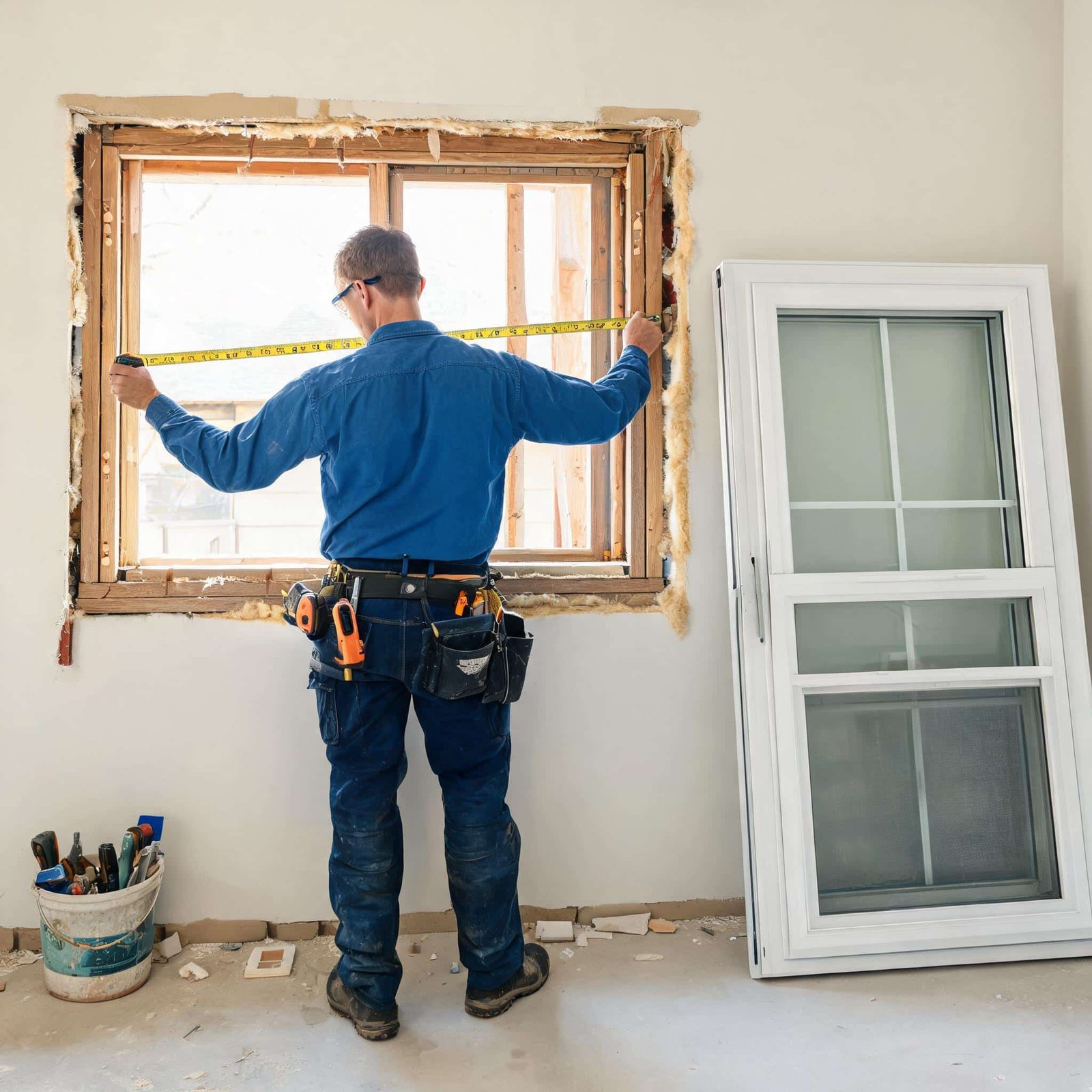
Installation labor typically represents 30% to 50% of the total project cost. Most crews charge between $100 and $300 per opening for a straightforward retrofit where the existing frame stays intact. If the original frame is rotted, out of square, or if you’re changing the window size, the job shifts to a full-frame replacement. That adds carpentry, flashing, and possibly interior trim work, pushing labor to $300–$600 per window or more.
Other services that frequently appear on a final invoice include lead-safe work practices in older homes, trip charges, debris disposal, and permit filing. Always ask for a line-by-line quote that separates materials from labor so you can compare bids accurately.
Key Factors That Influence the Price of Vinyl Windows
Not all vinyl windows are created equal. Understanding what drives cost differences helps you make informed trade-offs—spending where it matters and saving where it doesn’t.
Frame Construction and Quality
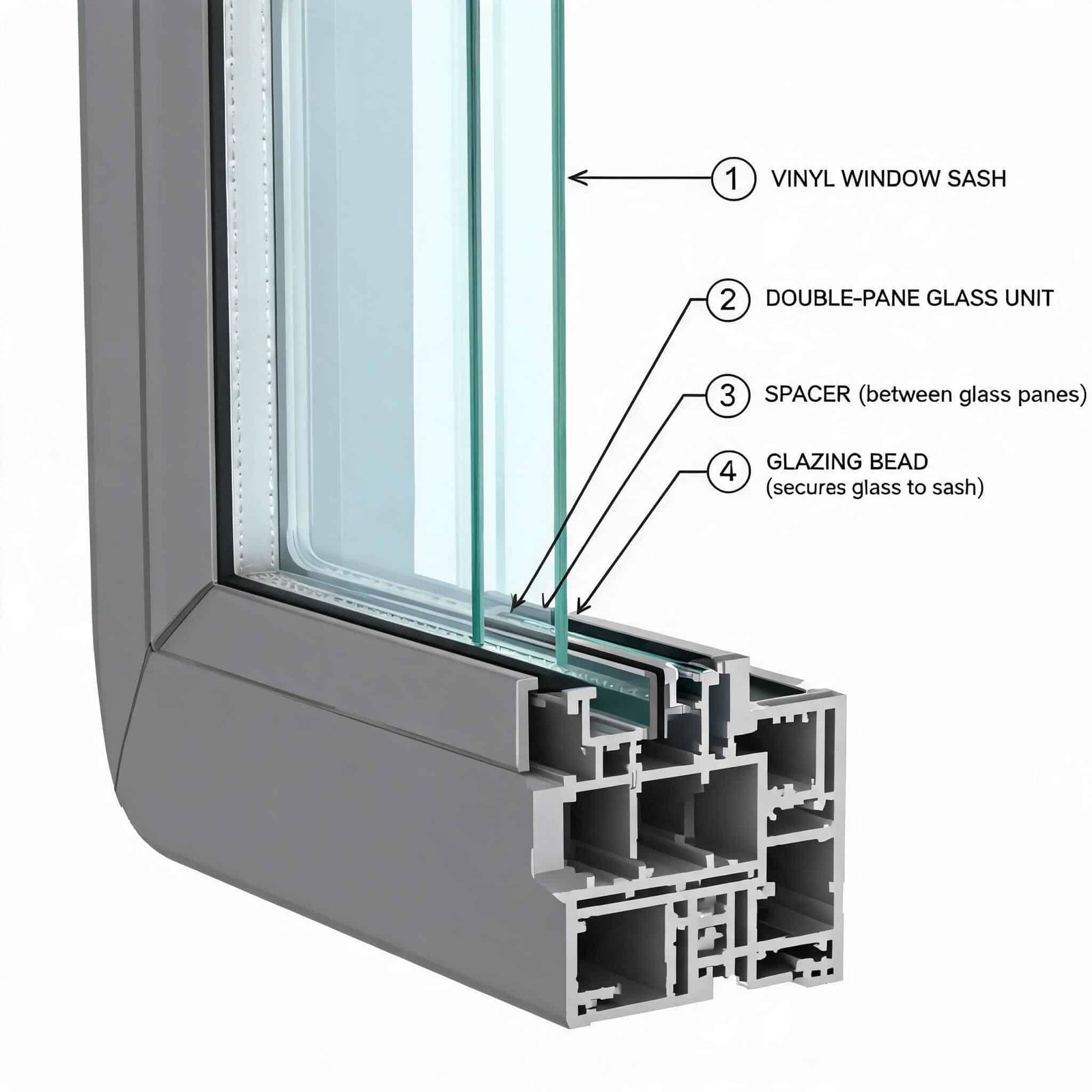
The term “vinyl” covers a broad spectrum of PVC formulations. Entry-level windows use thinner, hollow extrusions that may warp under intense sun or extreme cold. Premium vinyl, often called uPVC (unplasticized PVC), is formulated for rigidity, thermal stability, and color retention. Multi-chambered frames with steel or composite reinforcements provide superior structural integrity, allowing larger window sizes without sagging.
These manufacturing differences translate directly to price. When you compare vinyl replacement windows cost per window, the jump from a basic builder-grade double-hung to a reinforced, high-performance uPVC model might be $150 to $300 per unit. That increase often comes with a better warranty, improved sound dampening, and longer product life.
Glass Packages – Double vs. Triple Pane, Low‑E, and Argon Gas
The insulating glass unit (IGU) is where a huge portion of energy performance comes from. A standard double-pane window with a basic Low‑E coating and air fill is the baseline in most climates. Upgrading to an argon or krypton gas fill raises the R-value slightly and costs $30–$60 more per window. Triple-pane glass, which adds another lite and gas chamber, provides maximum thermal resistance and noise reduction but can add $100–$200 per window over standard double-pane.
In regions with harsh winters or extreme heat, the right glass package pays for itself through reduced heating and cooling bills. For hot, humid climates like the southern U.S., a double-pane unit with a low solar heat gain Low‑E coating is often the sweet spot—cutting radiant heat without the weight and cost of triple glazing. Ask about ENERGY STAR certification for your climate zone, because choosing an approved combination may qualify you for utility rebates.
Window Style and Operational Complexity
A fixed picture window has no moving parts; it’s simply a frame sealed around an IGU. Double-hung windows include two sashes that slide vertically, requiring balances, weatherstripping, and precision milling. Casement windows add a crank mechanism and multi-point locking hardware. Every additional operational component increases manufacturing time and material cost, and that shows up on the invoice.
Custom shapes—arches, circles, trapezoids—require special templates and often cannot be produced on standard assembly lines. Expect a 30% to 50% premium for any shape that isn’t a rectangle or square, and longer lead times.
Installation Variables – Retrofit vs. Full‑Frame and Structural Surprises
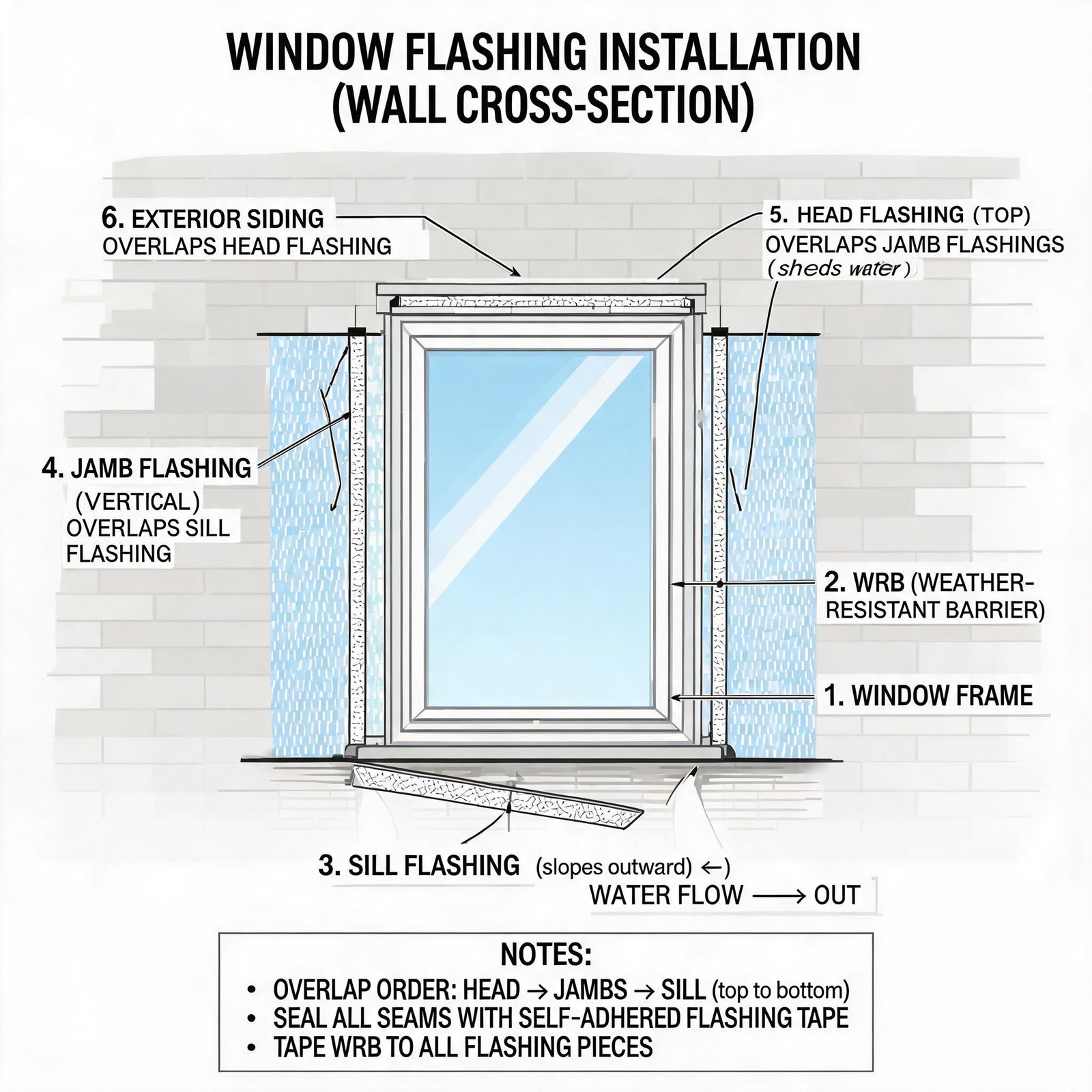
Even the most beautiful window will underperform if it’s installed incorrectly. A retrofit installation, where the new window fits inside the existing frame, is faster and cleaner but depends on the old frame being sound, level, and square. Full‑frame replacement strips everything down to the rough opening, allowing the crew to install new framing, insulation, and flashing. In older homes, this is often the only way to eliminate hidden air leaks and water damage.
Structural surprises add real cost. Once the old window comes out, a contractor might discover rotted sills, compromised headers, or insufficient support for a heavy picture unit. A $500 window can quickly become a $1,200 project if the framing needs repair. Always budget a 10%–15% contingency for the unexpected, especially on older properties.
Brand, Warranty, and Energy Certifications
Well-known brands invest in rigorous testing, durable finishes, and long-term part warranties. A lifetime limited warranty (often meaning 20–40 years on vinyl, 10–20 years on glass seals) is a strong sign of quality. Some manufacturers also provide labor allowances if a seal fails. Windows with NFRC ratings and ENERGY STAR labels typically carry a small price premium but deliver verified performance that can be matched against local incentive programs.
Hidden Costs Homeowners Often Overlook
Beyond the window and the installer’s base labor fee, several other expenses can quietly inflate the final bill. Smart planning brings them into the open early.
Disposal, Permits, and Lead‑Safe Practices
Hauling away old windows and construction debris isn’t free. Some contractors include a disposal fee in the estimate; others bill it as a separate line item, typically $30–$50 per window. If your municipality requires a building permit for window replacement—common when changing the opening size or upgrading to impact‑rated units—add $50 to $200 to your project cost.
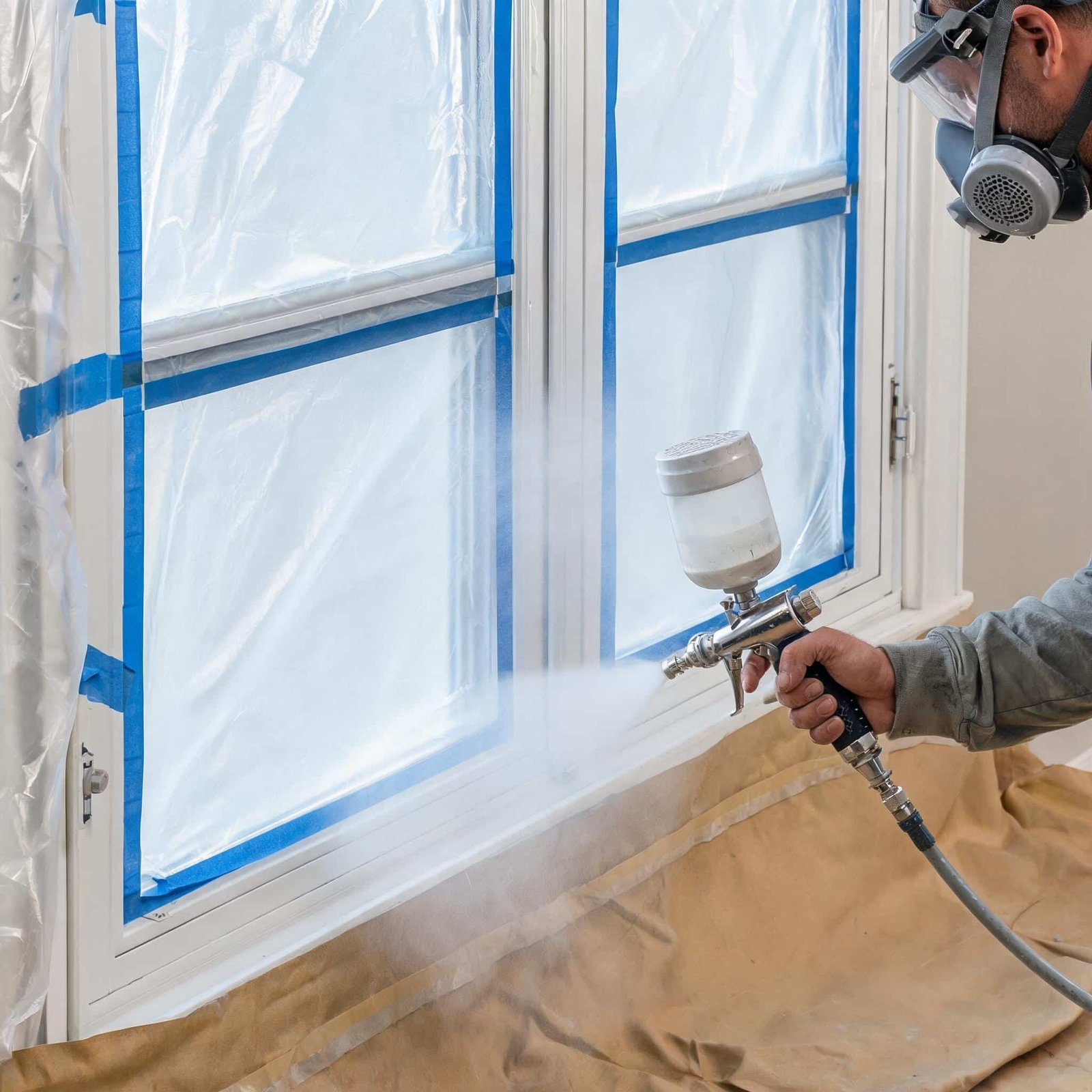
Homes built before 1978 may contain lead paint. Federal law requires contractors to follow lead‑safe work practices, which involve containment, specialized cleaning, and verification. This can add $150–$400 per window, depending on the scope of the work and local regulations.
Upgrades That Boost Aesthetics and Comfort
Once you’ve chosen the basic window, optional features can rapidly increase the total. Popular upgrades include:
- Exterior color other than white or beige (usually a painted or co-extruded finish): $75–$200 per window
- Internal muntin grids for a traditional look, especially between‑the‑glass grids: $50–$150
- Soundproofing laminated glass for noise reduction: $100–$300 per window
- Impact‑resistant glass for hurricane zones: $200–$500+ per window
- Custom hardware finishes and folding handles for casements: $20–$60 per unit
Decide which upgrades genuinely improve your daily life and which might be overkill for your neighborhood and climate. The goal is a comfortable home, not an unnecessary trophy window.
How to Save on Vinyl Window Replacement
You can cut costs without sacrificing quality by timing your project smartly and shopping with the right strategy.
Bulk Discounts and Seasonal Promotions
Replacing all windows in a single phase almost always yields the lowest per‑window price. Contractors and manufacturers offer tiered pricing—such as 5% off for 8 windows, 10% off for 15 or more. Late fall and early winter are traditionally slower seasons for window installers. You may negotiate a better rate or secure a discounted installation package when demand dips.
Rebates, Tax Credits, and Utility Incentives
Federal, state, and local programs frequently offer financial incentives for installing energy