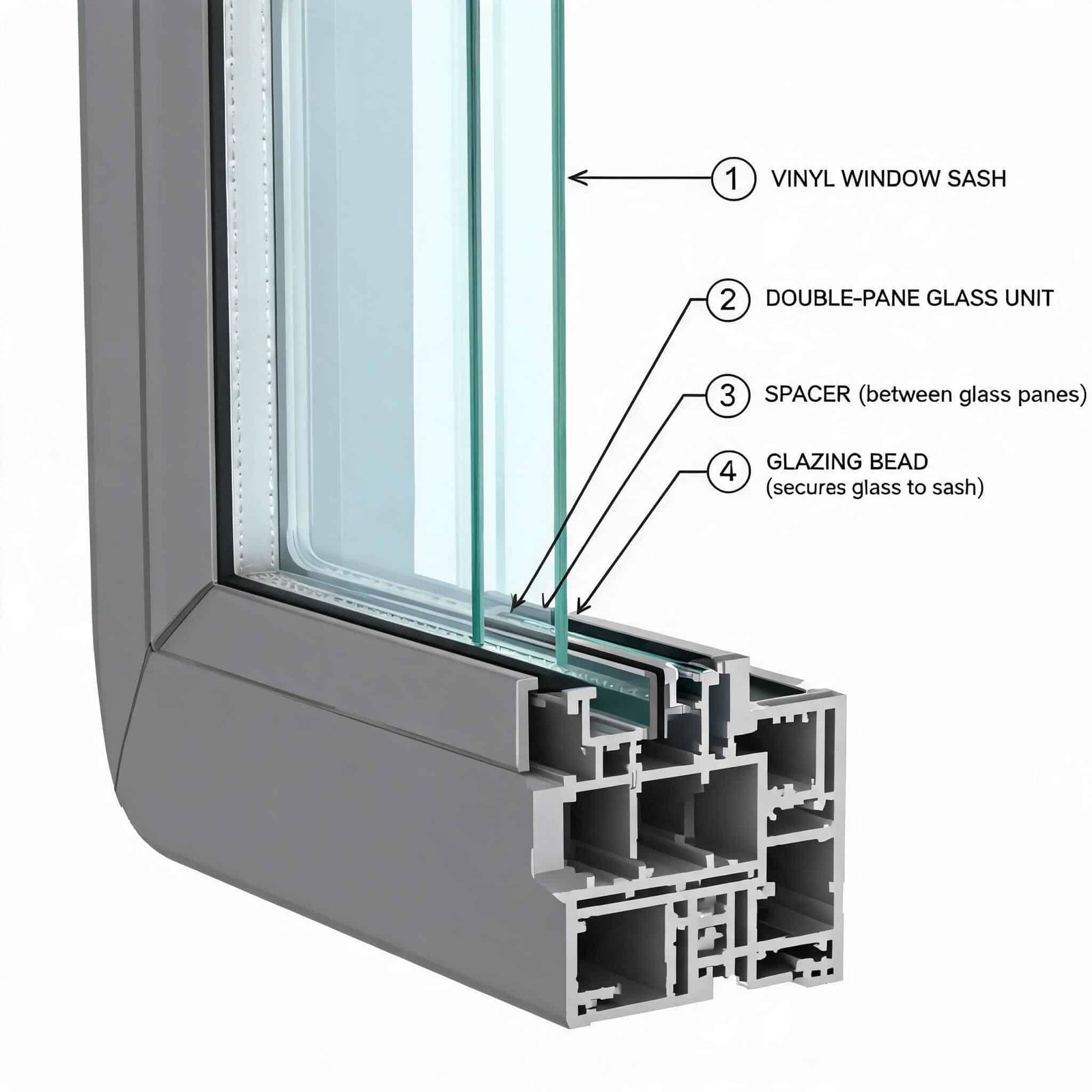
Understanding the Material: Why Vinyl Doesn’t Behave Like Wood
Vinyl window frames are extruded from unplasticized polyvinyl chloride (uPVC), a rigid polymer engineered to resist moisture, rot, insects, and UV degradation. The very properties that make uPVC an outstanding window material—its smooth, non-porous surface and chemical resistance—also make adhesion challenging for paints and stains. Without proper preparation, paint can peel off in sheets within weeks. The key lies in mechanical abrasion and chemistry: you need to create a micro-scratch profile for mechanical grip and use a primer designed to chemically bond to plastics.
Can You Spray Paint Vinyl Windows?
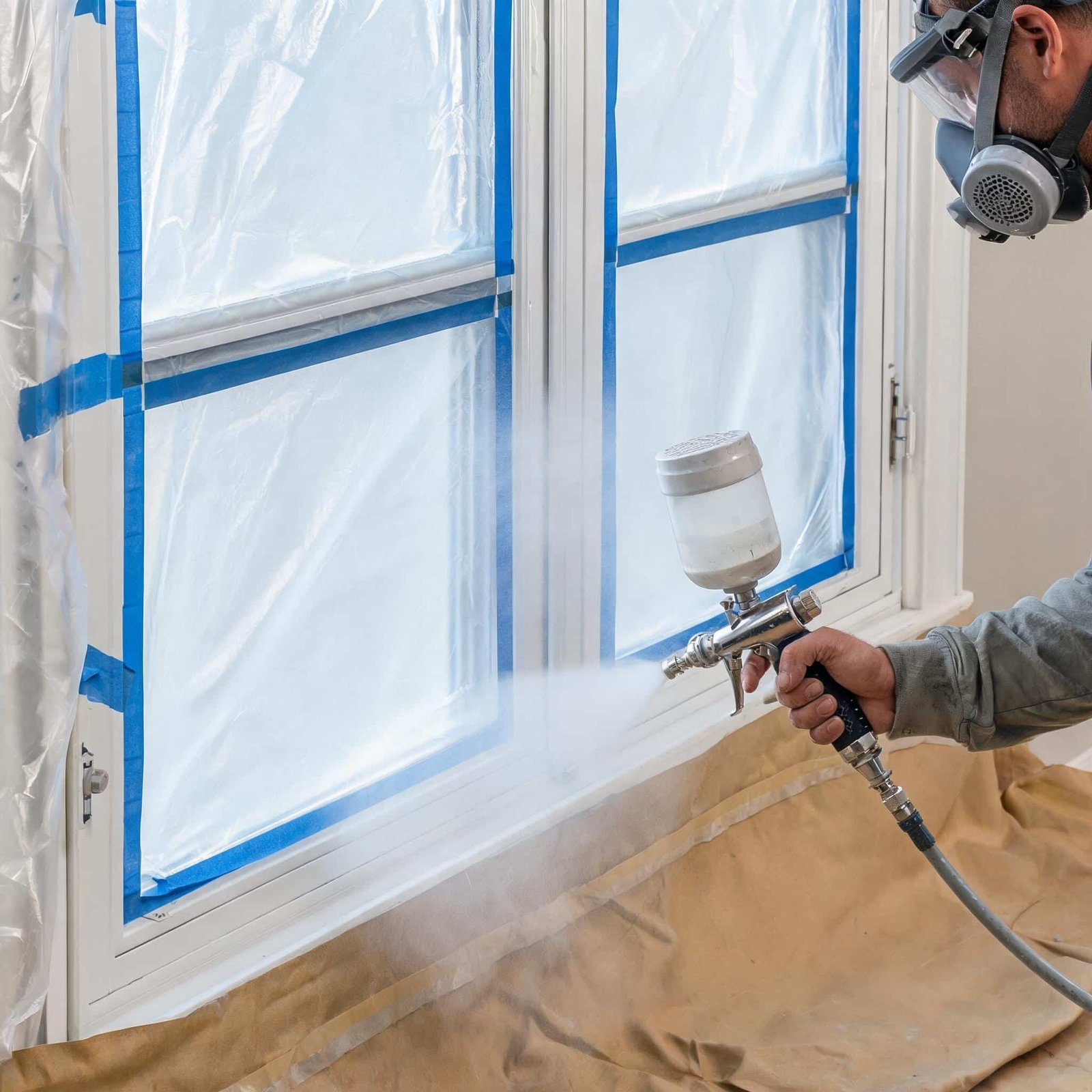
Absolutely. Spray painting is the preferred method for achieving a smooth, factory-like finish on vinyl frames. It applies an even coat without brush marks, reaches detailed contours around glass seals, and, when done correctly, can last for many years. Before you pick up a spray gun or aerosol can, remember that success depends on three pillars: meticulous surface preparation, the right primer, and a topcoat specifically rated for vinyl or plastic.
Many homeowners first ask, “can you spray paint vinyl windows without damaging them?” The answer is yes, provided you avoid aggressive solvents that can attack uPVC (like acetone or strong lacquer thinners) and keep the coating thickness within reasonable limits so moving parts like sashes don’t bind.
Choosing Your Spray Equipment
- HVLP (High Volume Low Pressure) sprayer: Ideal for interiors and controlled environments. Produces low overspray, excellent transfer efficiency, and a very fine finish. Requires some practice to dial in the fluid and air settings.
- Airless sprayer: Be careful with pressure; high airless pressure can over-atomize paint and create a rough, dry texture. Use a fine finish tip (e.g., 210 to 310) and keep the gun moving.
- Aerosol cans: Perfect for DIYers tackling a single window. Several manufacturers now offer vinyl-safe aerosol paints with built-in primer technology. They’re convenient but offer less control over film thickness.
Can You Stain Vinyl Windows?
Traditional wood stains penetrate below the surface and accentuate grain patterns. Vinyl has no grain and will not accept penetrating stain. When people ask, “can you stain vinyl windows,” they often imagine transforming a white frame into a rich wood tone. While a genuine stain isn’t possible, you can achieve a wood-like aesthetic using a multi-step coating system: bonding primer + opaque wood-color paint + glaze + clear coat, or a gel stain product specifically formulated for non-porous surfaces.
These gel stain kits essentially act as a translucent paint that sits on top of the vinyl. They require the same surface prep as paint (cleaning, scuff sanding) and must be sealed with a durable topcoat. The result can look surprisingly realistic, but the longevity and warranty concerns remain the same as with paint. For frames that will see daily handling, a painted finish is usually more durable than a faux-stain overlay.
Can You Tint Vinyl Windows?
When customers ask “can you tint vinyl windows,” we need to clarify the intended meaning. Most often, they refer to applying a solar control window film to the glass to reduce glare, block UV rays, and improve thermal performance. That’s perfectly safe for vinyl frames, provided the film adhesive doesn’t contain plasticizers that could migrate into the uPVC (a rare issue with modern films). The film adheres to the glass, not the frame, so the vinyl material itself is unchanged.
If you actually want to tint the frame—meaning add a translucent color layer to subtly shift its tone while retaining some of its original white or beige hue—that’s a niche application. It can be achieved with a dye-based automotive interior coating or a tinted clear adhesion promoter followed by a clear coat. This approach is extremely specialized, difficult to reverse, and not something we recommend for residential windows. A solid opaque spray paint finish is far more predictable and will provide a uniform color change.
How to Spray Paint Vinyl Windows Like a Pro
1. Remove or Mask Hardware
Take off all removable hardware—locks, cranks, lift handles. Mask any part you don’t want painted using high-quality painter’s tape and plastic sheeting. We highly recommend using a liquid masking product (like Mask & Peel) on the glass adjacent to the frame. Apply it with a brush, let it dry, and after painting you simply peel it off, leaving a crisp line.
2. Deep Clean the Frames
Wash every inch of the frame with a solution of trisodium phosphate (TSP) or a dedicated vinyl prep cleaner. This step removes silicone residues from the manufacturing process, grease, and years of atmospheric grime. Rinse thoroughly with clean water and allow to dry completely.
3. Scuff Sand for Mechanical Bond
Using 220-grit or 320-grit sandpaper, lightly sand all surfaces that will be painted. You’re not trying to remove material—just uniformly dull the gloss. Sanding creates microscopic peaks and valleys that provide a mechanical key for the primer. Wipe away all dust with a tack cloth. Don’t over-sand near weatherstripping; you can protect rubber seals with thin strips of masking tape.
4. Apply a High-Bond Primer
This is the non-negotiable step. Standard wall primer will not adhere to uPVC for long. Choose a bonding primer specifically labeled for plastics, vinyl, or PVC. Brands like UMA (by XIM), Stix (by Insl-X), and Sherwin-Williams Extreme Bond are all proven. Apply one thin, even coat using your spray equipment. Aerosol bonding primers (like Rust-Oleum Plastic Primer) work well for small projects. Allow the primer to dry per the manufacturer’s instructions—usually at least one hour.
5. Spray the Topcoat
Select a topcoat that remains slightly flexible. uPVC expands and contracts with temperature changes; a rigid paint will crack. Ideal choices are 100% acrylic latex paints with urethane modification, or paints specifically sold as “vinyl safe.” We’ve seen outstanding results with:
- Sherwin-Williams Emerald Urethane Trim Enamel
- Benjamin Moore Advance (for interiors)
- Rust-Oleum Painter’s Touch 2X Ultra Cover (aerosol)
- Renovations Siding & Trim (exterior, self-priming for vinyl)
Spray 2–3 light coats rather than one heavy coat. Heavy application invites drips and slow drying. Allow each coat to flash off (usually 20–30 minutes) before applying the next. Maintain a wet edge and overlap passes by 50% for uniform coverage.
6. Cure, Don’t Rush
Full cure—when the paint reaches its maximum hardness and chemical resistance—can take 5 to 7 days for water-based coatings. During that time, avoid cleaning the frames, do not close windows that are freshly painted (they might stick), and keep them from contacting water. After full cure, the finish can be cleaned with mild soap and water.
Best Paint and Primer Systems for Vinyl Windows
Primers
| Product | Form | Key Feature |
|---|---|---|
| XIM UMA | Aerosol/Liquid | Ultimate adhesion to plastics |
| Insl-X Stix | Liquid | Water-based, bonds to glossy surfaces |
| Sherwin-Williams Extreme Bond | Liquid | Excellent on vinyl and glass |
| Rust-Oleum Plastic Primer | Aerosol | Affordable, widely available |
Topcoats
| Product | Application | Notes |
|---|