When that tropical storm warning blasts through your phone—cat 4 winds, 12-foot storm surge, landfall in 48 hours—the first thing every coastal homeowner thinks about is the windows. That single-pane slider you thought was “fine” becomes a ticking time bomb. Glass shatters, wind rips through the interior, rain drives sideways into drywall, and within minutes your entire home becomes a pressurized wind tunnel. The panic is real. But the solution is engineering.
In this post, I’m not here to sell you generic “storm windows.” I’m here to show you why hurricane impact windows—with missile-tested laminated glass, reinforced extruded aluminum frames, and thermal‑break barriers—are the single smartest investment you’ll make before the next tropical storm hits. And yes, they’ll keep your wallet intact long after the grid goes down.
1. Debris Impact Protection: The Missile‑Test Standard That Saves Lives
Let’s talk real physics. A 2×4 lumber plank traveling at 50 feet per second is the standard missile for impact testing under ASTM E1996 and Miami‑Dade County protocols. That’s exactly what a Category 3+ hurricane can launch at your home. Regular windows—even double‑pane tempered units—fail catastrophically under that force. The glass turns into shrapnel, the frame buckles, and your interior is wide open.
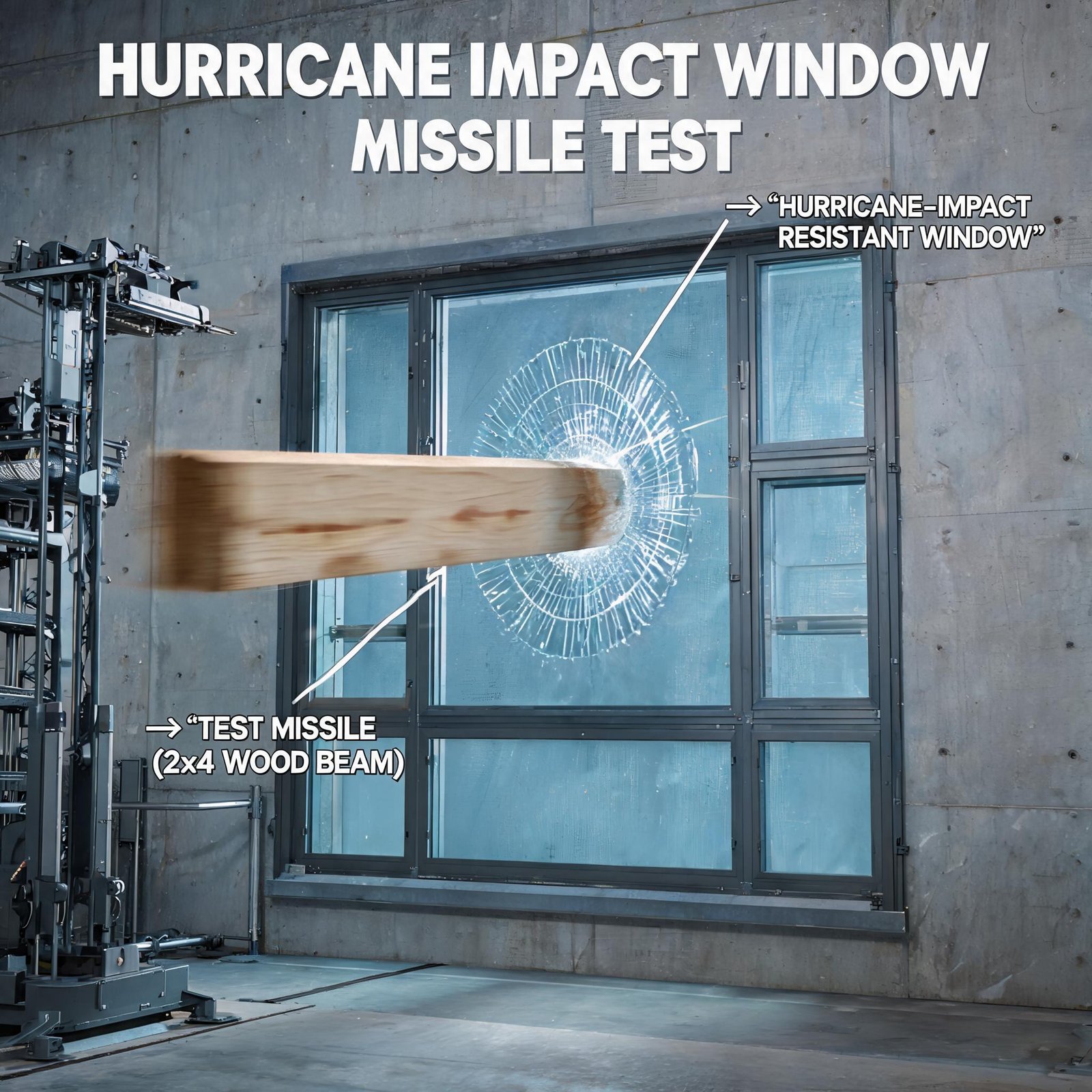
Hurricane-proof windows use PVB (polyvinyl butyral) interlayers sandwiched between two layers of glass, often heat‑strengthened. This construction turns the glass into a tough, elastic membrane that absorbs the impact without shattering. Even if the glass cracks, the interlayer holds it together, maintaining the building envelope. The frame? Extruded aluminum with reinforced corner keys and stainless‑steel screws—not the cheap welded corners you see on mass‑market vinyl windows that snap off under pressure.
This is where our Impact-Resistant Storm Hung Windows shine. Designed to meet the stringent missile‑impact and cyclic pressure requirements, they feature fully welded frame corners and a continuous interlocking sash design that prevents blowout. You’ll find them specified in the most demanding coastal zones from Florida to Houston. Check the engineering details.
2. Pressure Resistance & Air Infiltration: Why “Meeting Code” Isn’t Good Enough
Standard windows are tested for a static pressure of around 15–25 psf (pounds per square foot). A Category 5 hurricane can exert dynamic peak gusts exceeding 60 psf. The real enemy isn’t just wind—it’s the rapid cycling of positive and negative pressure that pries open gaps around the sash, breaks sealants, and pulls water right past the weatherstripping.
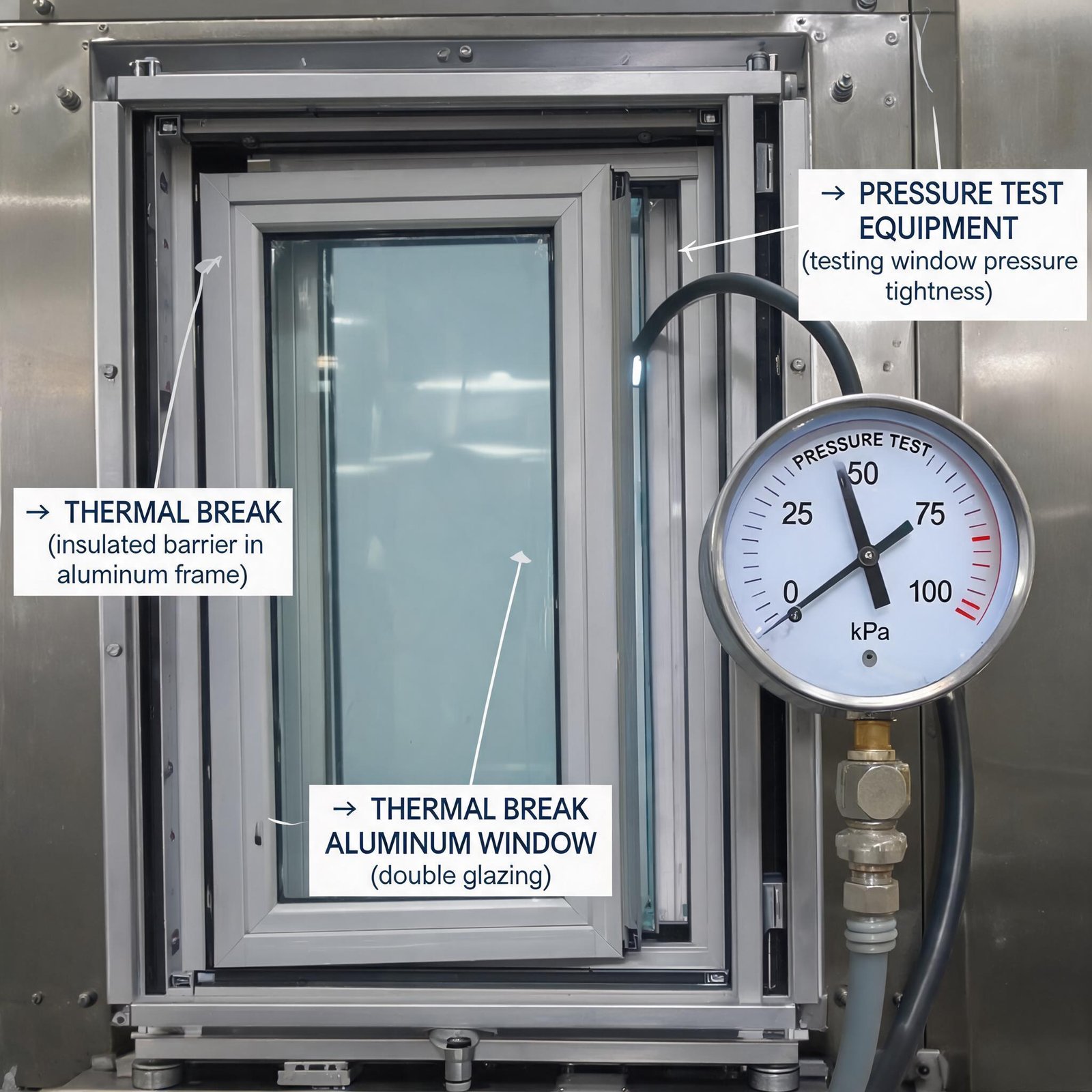
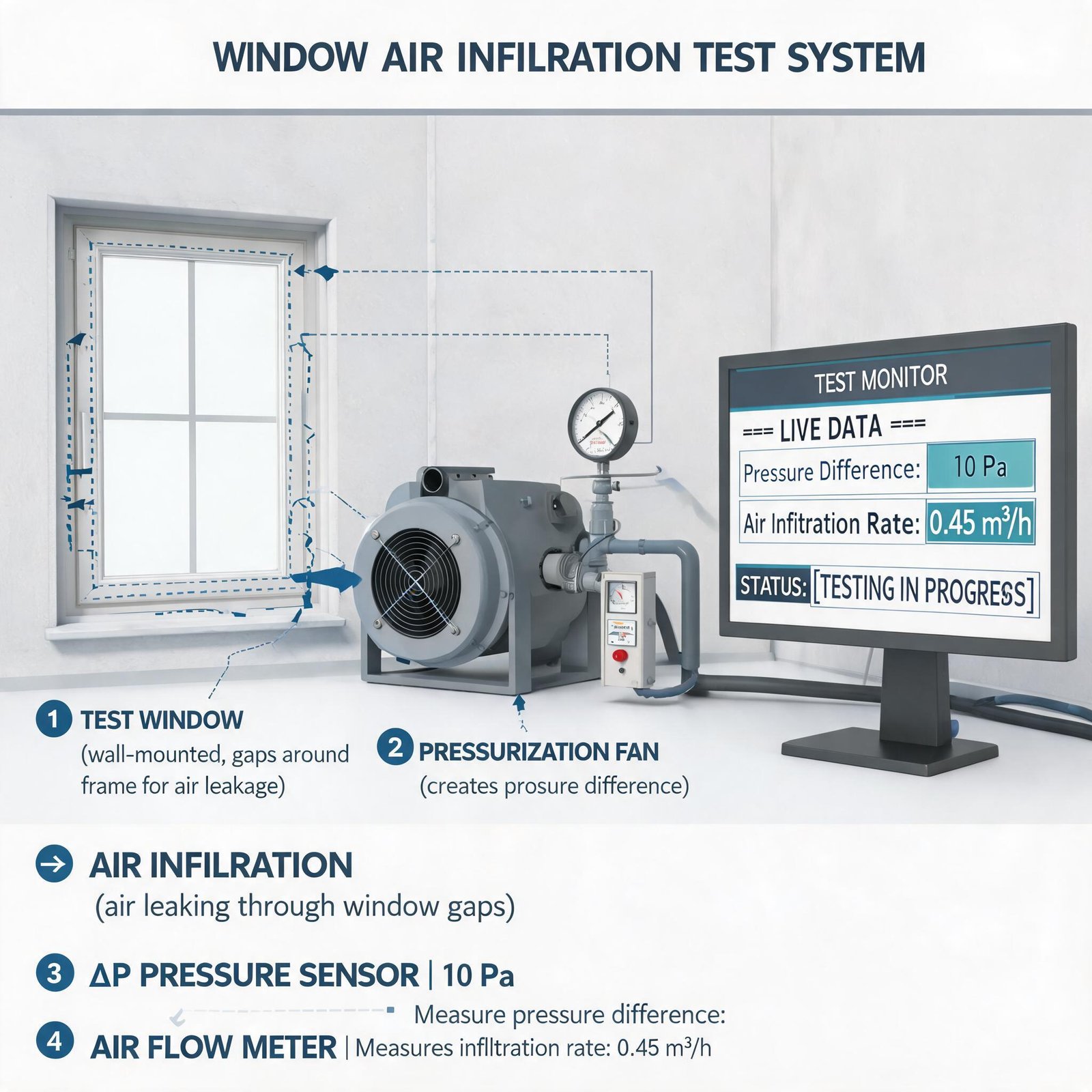
The key technical spec is DP (Design Pressure) rating. A true hurricane window should carry a DP of at least 50–70, with an air infiltration rate below 0.01 cfm/ft² at 1.57 psf. Most off‑the‑shelf builder‑grade windows claim “DP 40” but use thin aluminum extrusions and single‑barb weatherstripping that degrades within three years. Why? Because they optimize for cost, not for the edge case.
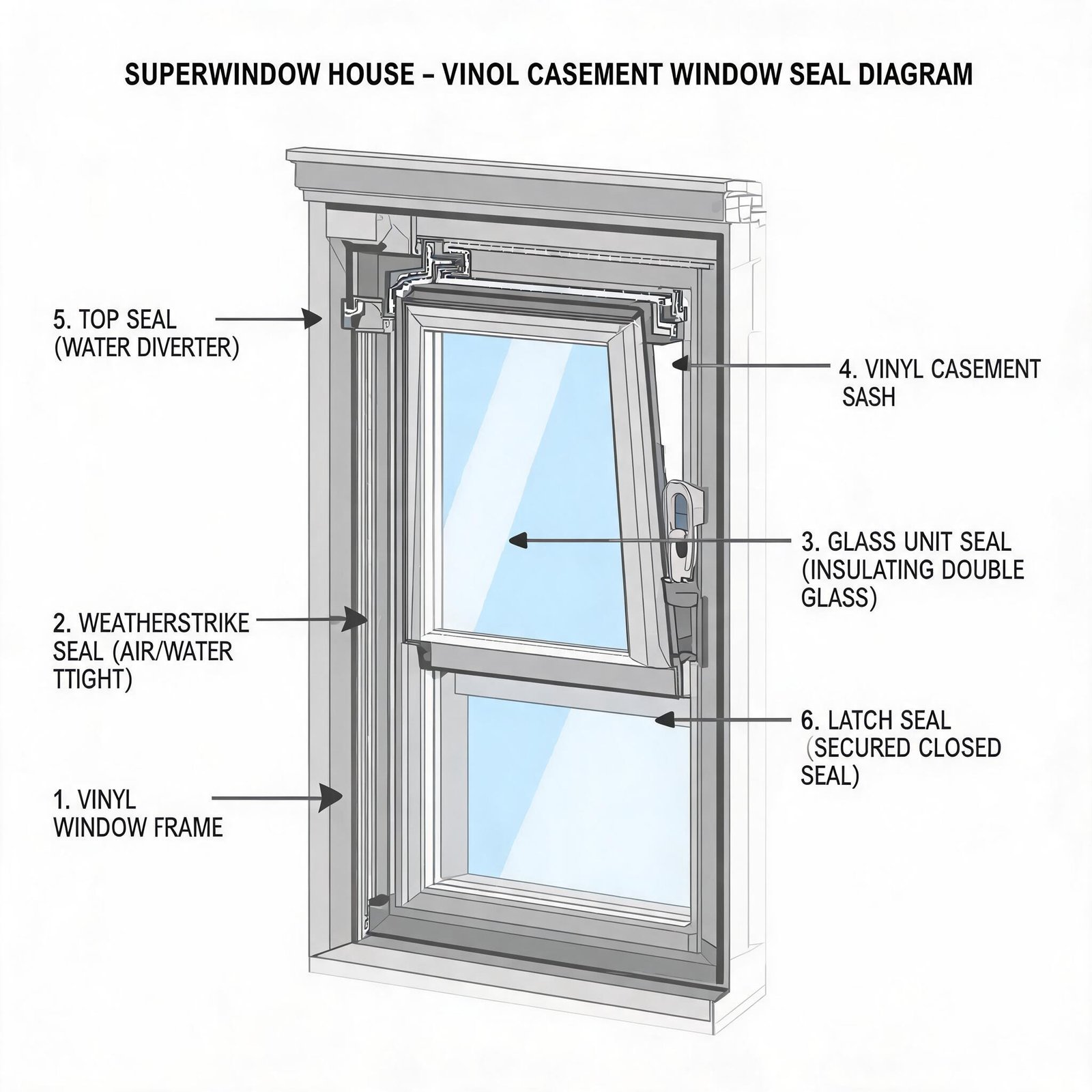
Our Aluminum Thermally Broken Sliding Windows push the envelope with multi‑chambered frames, continuous compression gaskets, and a DP rating up to 80. The thermal break—polyamide strips injected into the frame—not only stops heat flow (more on that later) but also adds structural rigidity so the frame doesn’t rack under extreme loads. Water infiltration is held to zero up to 12 psf of dynamic rain. This isn’t a marketing number; it’s lab‑verified AAMA/WDMA/CSA compliance.
3. Energy Efficiency After Grid Failure: Low‑E, SHGC, and the “Blackout Bonus”
When the storm passes—and the power may stay off for days—energy efficiency becomes a survival metric. Cheap windows let heat pour in during the day and bleed out at night, forcing you to run backup generators or portable ACs longer, burning fuel you’ll desperately need later. The U‑factor of your window (rate of heat transfer) and Solar Heat Gain Coefficient (SHGC) directly determine how comfortable—and how expensive—your home is in the aftermath.
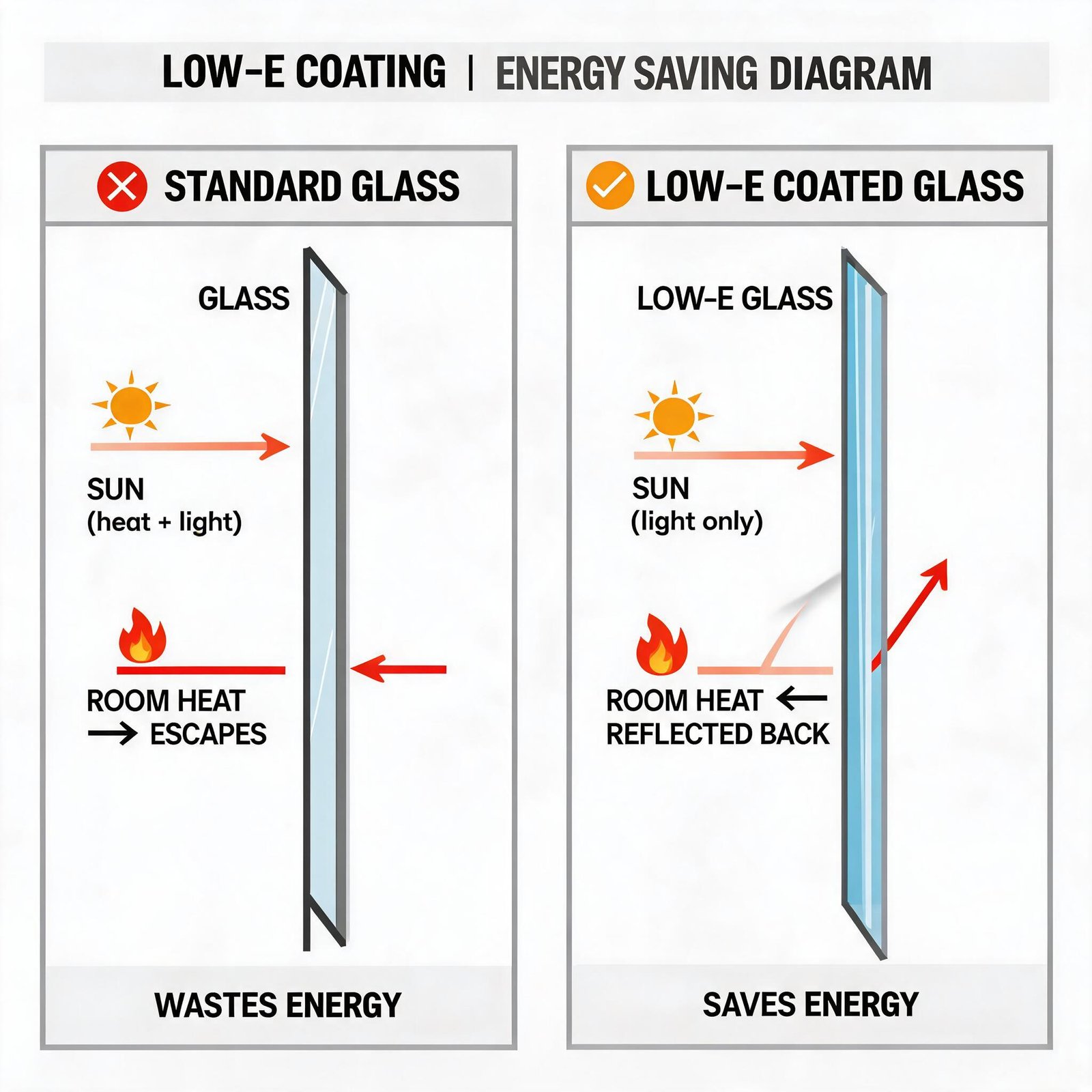
Most standard single‑pane windows have a U‑factor around 1.0. Even basic double‑panes hover at 0.50. High‑performance hurricane impact windows use dual‑silver Low‑E coatings and argon gas fill to drop U‑factor down to 0.25–0.30. That’s nearly four times the insulation of a cheap window. During a prolonged blackout in August heat, that difference can slash your temporary cooling load by 50%—meaning less generator run time, less noise, and less danger.
For homeowners looking to pair impact performance with maximum energy savings, our Energy Efficient Vinyl Sliding Windows combine multi‑cavity PVC frames with Low‑E 366 glass (the industry standard for hot climates) and can achieve a U‑factor as low as 0.29. They’re not just hurricane‑ready; they’re grid‑failure‑proven. Learn more about the energy specs.
4. Insurance Premiums & Resale Value: The Hidden ROI
Here’s a truth most contractors won’t tell you: installing hurricane‑rated windows can lower your homeowner’s insurance premium by 15–25% in high‑risk zones like Florida, Texas, and the Carolinas. Many insurers offer explicit credits for “opening protection” that meets the Miami‑Dade Notice of Acceptance or Florida Building Code (FBC) HVHZ standards. But there’s a catch—you have to provide the NFRC and AAMA certification labels for each window. Mass‑market brands often skip independent labeling, leaving you chasing credits after installation.
Superwindowhouse delivers each window with an NFRC label affixed to the frame, showing the exact U‑factor, SHGC, and visible transmittance. That means zero friction when you file for your insurance discount or any state‑level tax rebate for energy improvements.
Beyond insurance, hurricane‑proof windows boost your home’s resale value by an average of 3–5% in coastal markets—and they’re a top‑requested feature among buyers who’ve lived through a storm. It’s a hard asset that keeps paying dividends.
5. Installation Integrity: The Hidden Failure Point
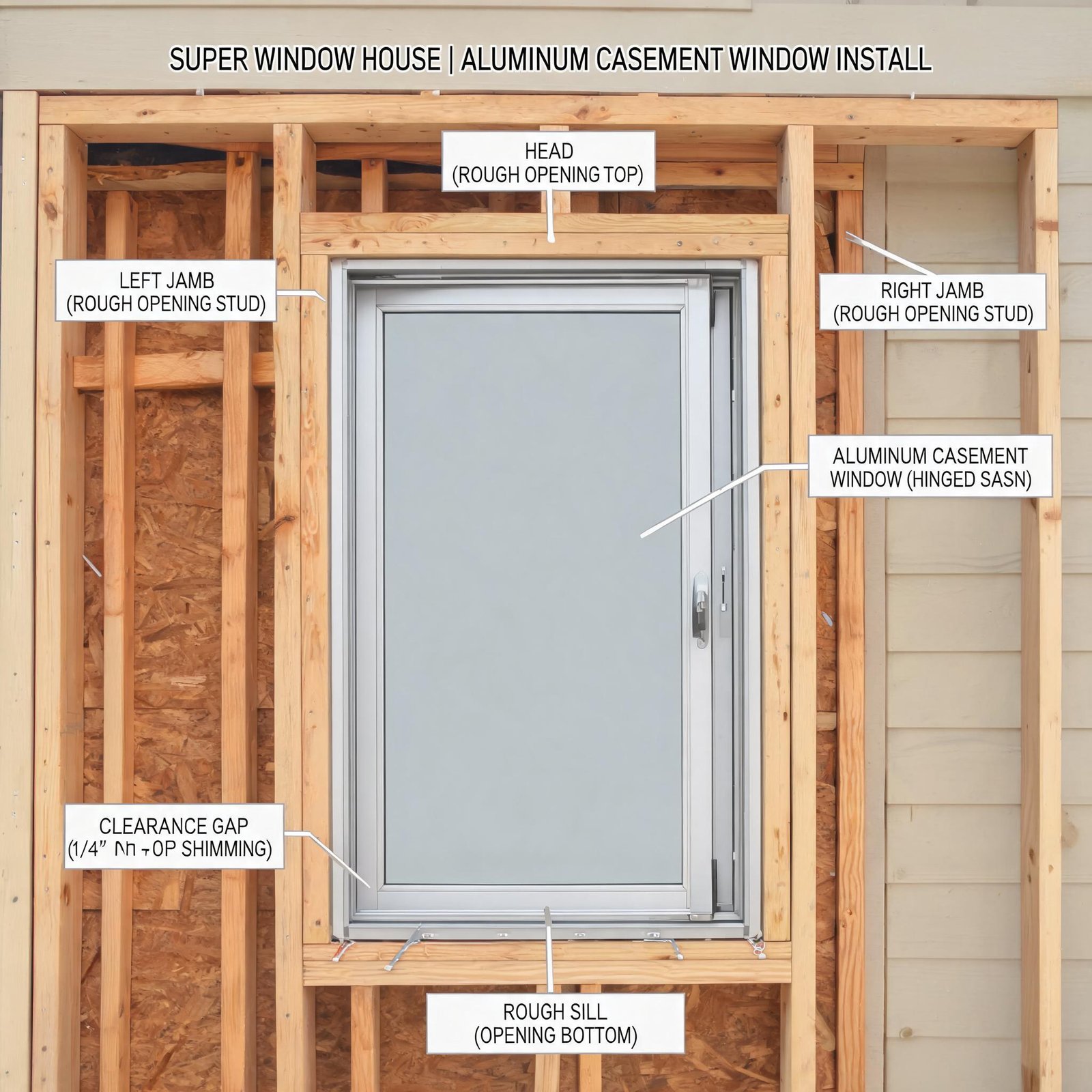
You can buy the best window on earth, but if the installation doesn’t include proper flashing, rough opening verification, and compression sealants, the whole effort is wasted. I’ve seen contractors on job sites use a single bead of silicone around the perimeter of a $2,000 impact window. That’s not waterproofing; that’s a lawsuit waiting to happen.

For B2B buyers—general contractors, custom builders, and architects—the real value of partnering with Superwindowhouse is not just the product, but the engineering support we provide on‑site. We supply detailed shop drawings showing exact rough opening dimensions (RO width/height, squareness tolerances), the correct flashing flange (nail fin) details for both existing construction and new builds, and the specified sealants (typically butyl tape for the fin, polyurethane at the perimeter). We also include clear instructions for applying self‑adhered membrane behind the flange—a step that 80% of installers skip, leading to water intrusion years later.
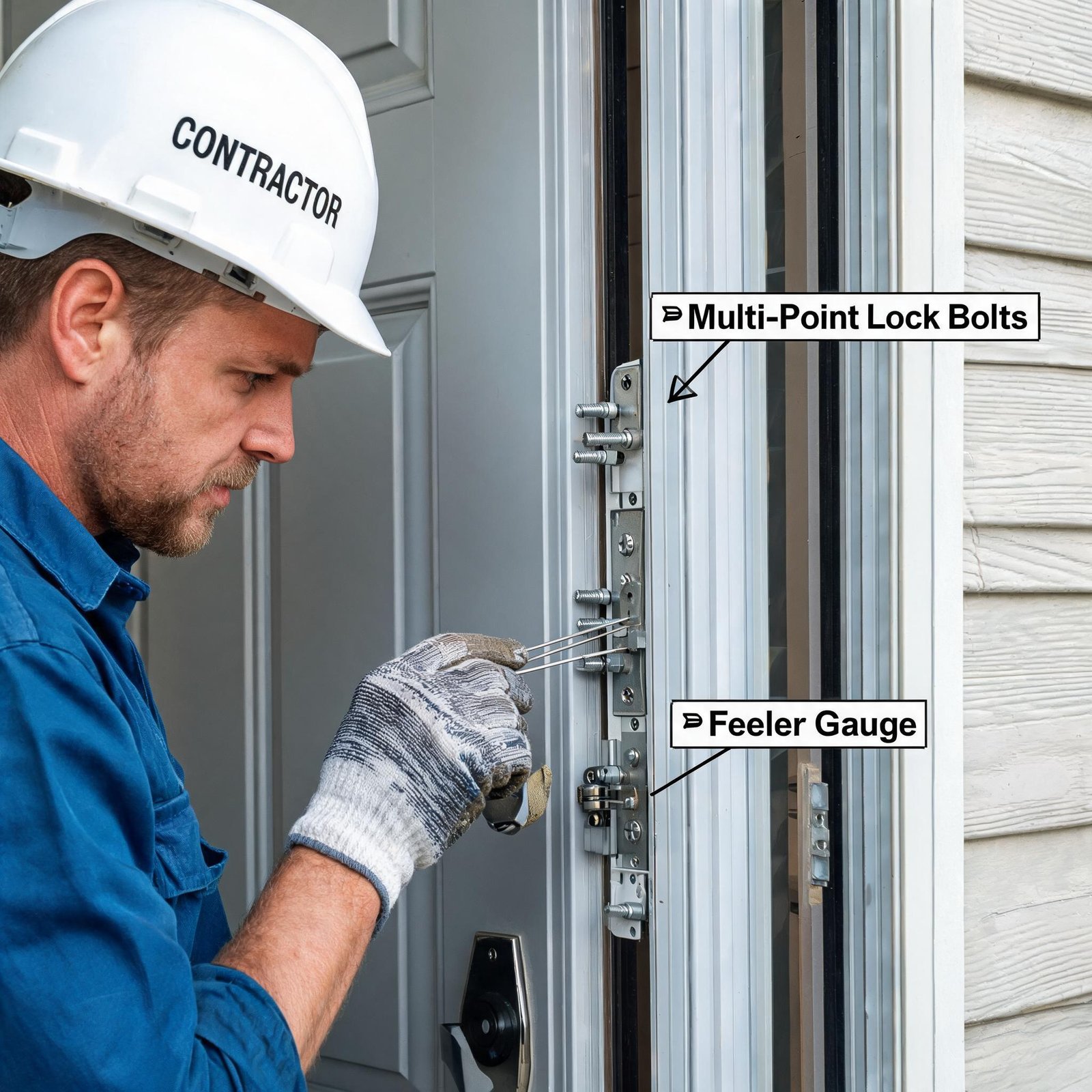
When the tropical storm warning goes off, your home is only as strong as its weakest penetration. The front door, the slider, the windows—they all need to be part of a continuous, pressure‑tested envelope. Our Vinyl Sliding Patio Doors (with multi‑point locking and impact glass) and interior doors that seal tight under distortion are all designed as system solutions, not isolated components.
B2B Project Checklist: 4 Things to Verify Before Ordering Hurricane‑Proof Windows
If you’re a builder or architect specifying impact windows for a coastal project, cut through the noise with these field‑tested steps:
- Check the NFRC label before installation. Don’t take the manufacturer’s word for U‑factor. The label must be visible, non‑detachable, and match the product’s published rating. Without it, insurance credits vanish.
- Measure the rough opening three times. Window tolerances for impact units are tighter—typically ±⅛ inch. A poor RO will force you to shim excessively, compromising the structural seal. Use a tape square to ensure diagonals within ¼ inch.
- Demand the AAMA/WDMA/CSA certification. This isn’t a suggestion; it’s the gold standard. Without it, local building inspectors in high‑velocity hurricane zones (HVHZ) may reject the permit.
- Schedule the factory‑trained installer. Self‑learning DIY installers often fail at flashing the bottom sill pan. Use an installer certified by the window manufacturer—or better yet, bring us in for direct technical support.
FAQ: Hurricane‑Proof Windows — The Hard Questions
Q: Will impact windows reduce noise from wind and flying debris?
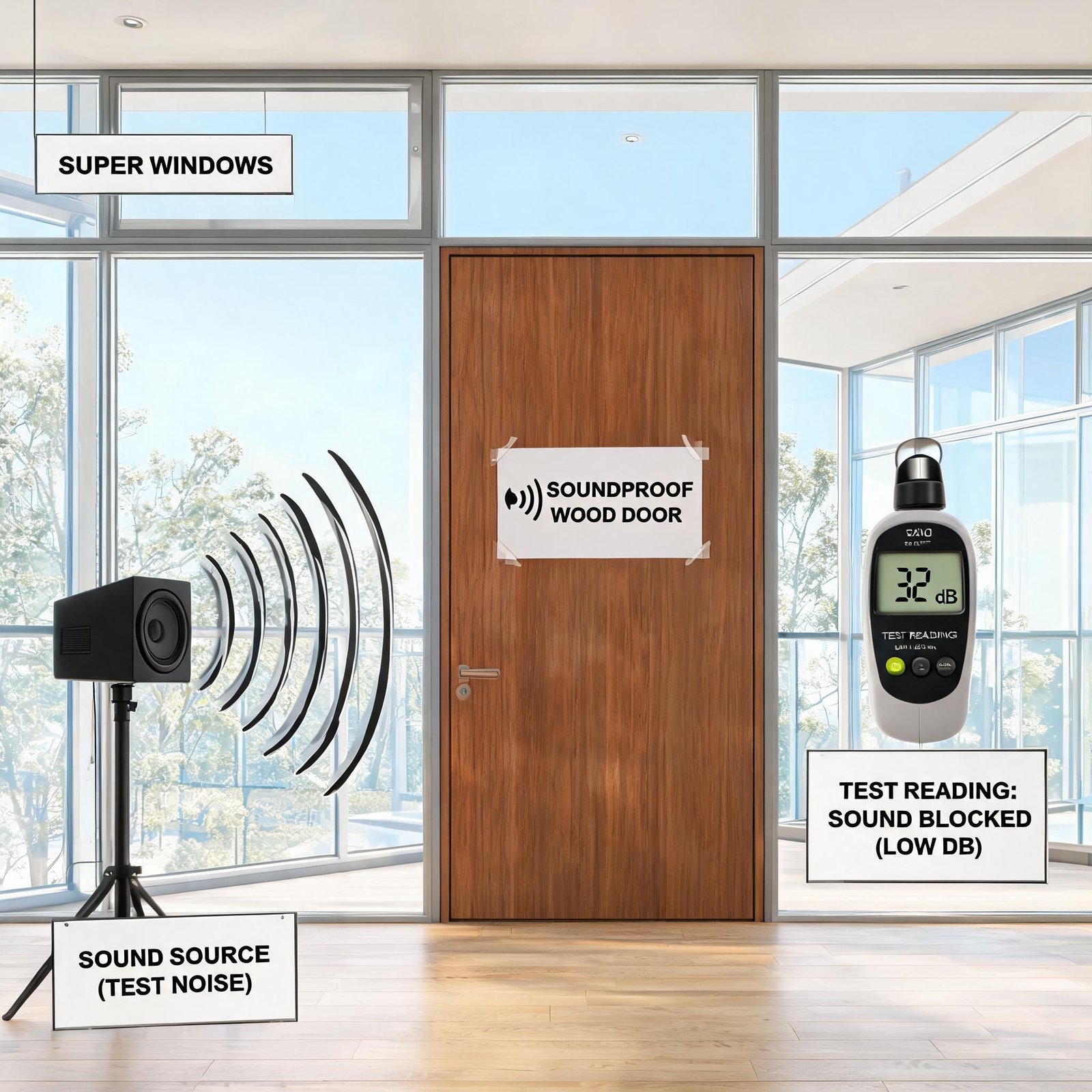
A: Absolutely. The laminated glass used in hurricane windows typically provides an STC rating of 35–40, which significantly dampens low‑frequency rumble and high‑frequency debris impacts. It’s quieter than a standard insulated window with the same glazing.
Q: Can I retrofit hurricane windows into an existing rough opening?
A: Yes, as long as the structural header and jambs can handle the extra weight. Our aluminum windows are engineered with aluminum‑clad frames that are lighter than full‑steel units but still meet DP 70+. We can provide exact load calculations for your framing.
Q: Do hurricane‑proof windows compromise the view?
A: Not with Superwindowhouse. Our slim‑profile aluminum frames maximize glass area while maintaining thermal‑break performance. The laminated glass itself is optically clear—no waviness or color shift.
Q: How long does it take to replace all windows in a 2,500‑sq‑ft home?
A: With proper lead time (4–6 weeks for custom production) and a skilled crew, a typical replacement takes 3–5 days. We guarantee delivery to your site with full packaging and labeling to speed installation.
The Takeaway
When the next tropical storm warning lights up your phone, you have two choices: scramble for plywood and hope, or invest in windows that have been tested in Category 5 wind tunnels, backed by real NFRC data, and installed with engineering precision. Hurricane‑proof windows from Superwindowhouse don’t just protect your home—they protect your finances, your comfort, and your peace of mind during the days (and nights) after the storm.
Ready to spec or discuss your next coastal project? Contact our team for a free ROI analysis and shop drawing review. Your home—and your wallet—will thank you.

This article was written by a 15‑year general contractor who has seen too many low‑end windows fail under pressure. Superwindowhouse stands behind every window with a limited lifetime warranty and on‑site technical support—because we build for the worst day, not the best.