The Root Cause of Vinyl Window Frame Warping from Sun Exposure
Every time I pull out a failed window, the damage pattern is identical: the exterior-facing frame has a visible bow or twist, usually on the south or west elevation. This isn’t cosmetic—it’s structural failure. Here’s the physics behind it.
The Role of Thermal Expansion in Low-Grade Vinyl
Standard builder-grade vinyl (often extruded from recycled or unmodified PVC) has a high coefficient of thermal expansion. When the summer sun beats down, the surface temperature of a dark-colored vinyl frame can reach 150–170°F. The material expands unevenly across the frame’s cross-section. The thin, hollow chambers in cheap extrusions don’t have enough structural rigidity to resist this force. Over repeated heating and cooling cycles, the plastic creeps—meaning it doesn’t return to its original shape. That permanent deformation is what you see as a warped frame.
Why UV Radiation Accelerates the Problem
UV light breaks down the polymer chains in low-cost vinyl. Without adequate UV stabilizers and titanium dioxide pigments, the outer skin of the frame becomes brittle and starts to discolor (yellowing or chalking). Once the surface degrades, the underlying material loses impact resistance and becomes more susceptible to thermal creep. The combination of UV degradation and thermal stress is a one-two punch that leaves gaps around the sash and frame perimeter.
How to Spot a Warping Issue Before It Causes Water Damage
Most homeowners don’t notice the problem until they see water on the interior sill or drywall. But you can catch it earlier if you know what to look for. Here are the telltale signs I train my crews to identify:
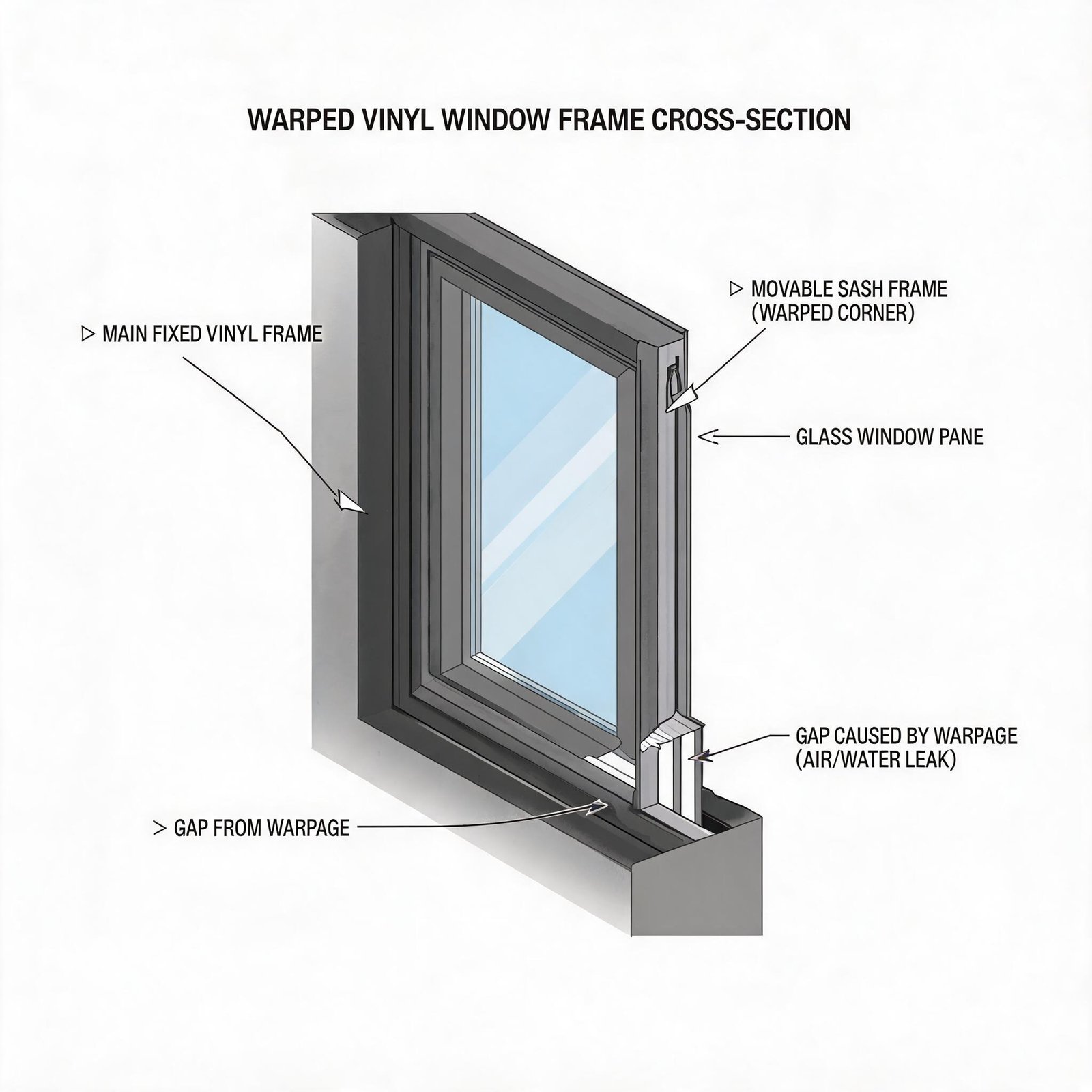
- Uneven gaps between the sash and frame: On a properly installed window, the gap should be uniform all around. If you can fit a credit card into the space on the sunny side but not the shaded side, the frame is already pulling away.
- Difficulty opening or closing the window: Warped frames bind the sash. You’ll feel increased friction or hear scraping sounds when operating the sash.
- Visible bowing or twisting: Stand at the corner and sight down the frame. A straight edge should lie flat against the frame surface. If you see a “belly” toward the exterior, the frame has warped.
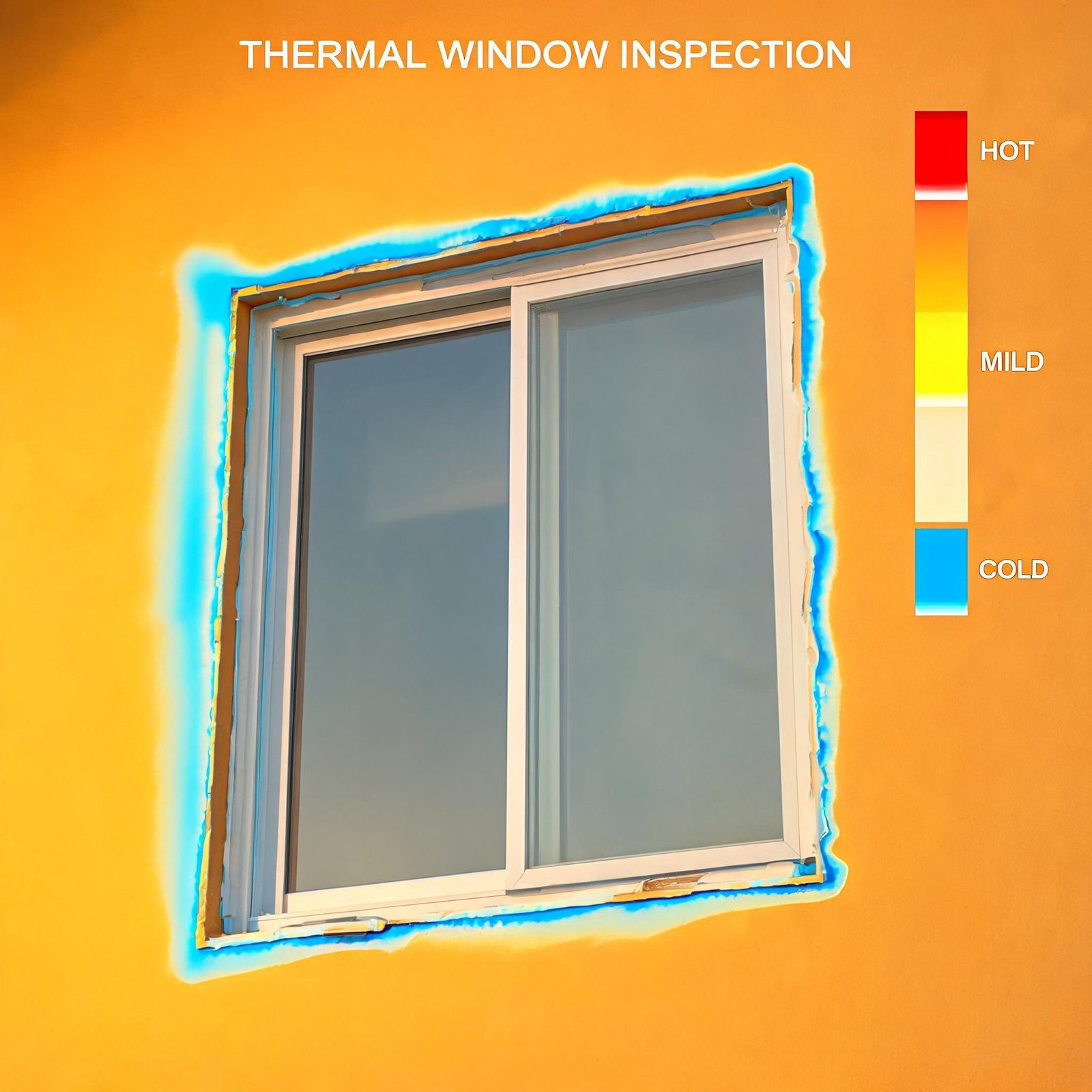
- Condensation or ice on interior glass, but only on one side: Warping creates a thermal bypass, so you’ll see localized cold spots where the seal has broken.
The Hidden Cost of Builder-Grade Window Leaks
I’ve seen homes where a single leaky window caused over $15,000 in damage. Water that enters through a gap around a warped frame travels down the wall cavity, soaking fiberglass insulation, rotting wood studs, and promoting mold growth inside the wall. The average homeowner doesn’t realize that a $200 window can cause a structural issue that requires a complete wall rebuild.
Water Intrusion Pathways You Need to Understand
When the frame warps, the seal between the frame and the rough opening (the “flashing” and “caulk joint”) is compromised. But worse, the internal drainage system of the window—the weepholes and sloped sill—stops functioning because the frame geometry has changed. Water that should exit through the weeps instead pools inside the frame and seeps into the wall.
Superwindowhouse’s Solution: Premium Vinyl with UV Stabilizers and Reinforced Frames
Here’s where we differ from every big-box store brand. When you source windows from Superwindowhouse, you’re getting a material formulated for long-term outdoor exposure. Our vinyl compound includes:
- UV stabilizers (benzotriazole-based) that prevent polymer chain scission from sunlight. This keeps the material flexible and impact-resistant for decades.
- Titanium dioxide pigments that reflect infrared radiation, reducing surface temperature by up to 15°F compared to standard dark vinyl.
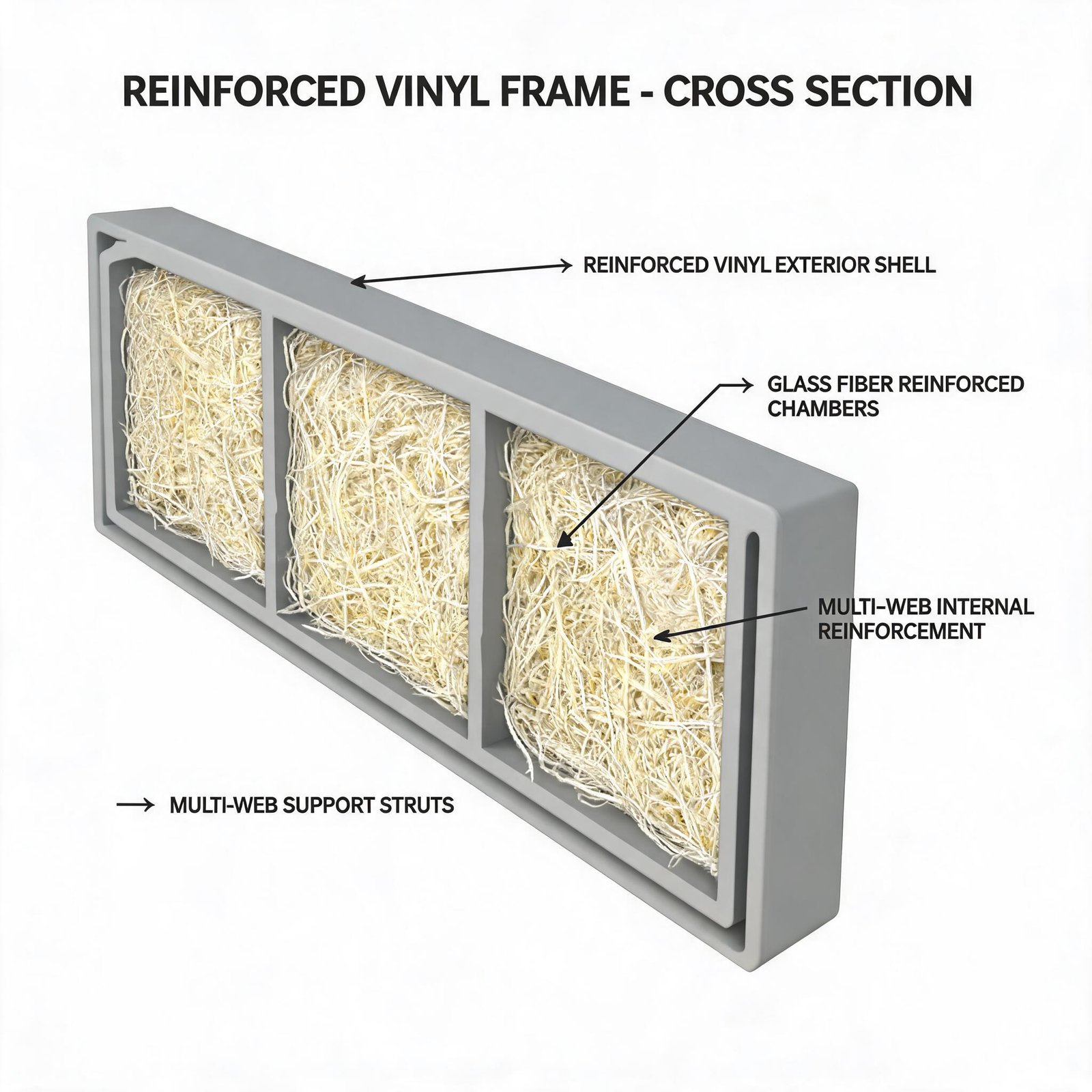
- Glass fiber reinforcement integrated into the hollow chambers. This is critical—glass fibers increase the frame’s flexural modulus by 40%, meaning it resists bending under thermal load.
- Multi-chambered extrusion design with insulated internal webs that reduce heat transfer and improve structural rigidity.
The result is a window that maintains its geometry even when installed on a south-facing wall in Phoenix, Orlando, or Houston. No warping. No gaps. No leaks.
Why Reinforced Frames Matter More Than Glass for Seal Integrity
A lot of window companies focus on the glass package—argon fill, low-E coatings, triple-pane. All that technology is useless if the frame flexes and breaks the airtight seal. At Superwindowhouse, we prioritize the frame structure first because it’s the foundation of every other performance metric.
The Link Between Frame Stiffness and Long-Term Air-Tightness
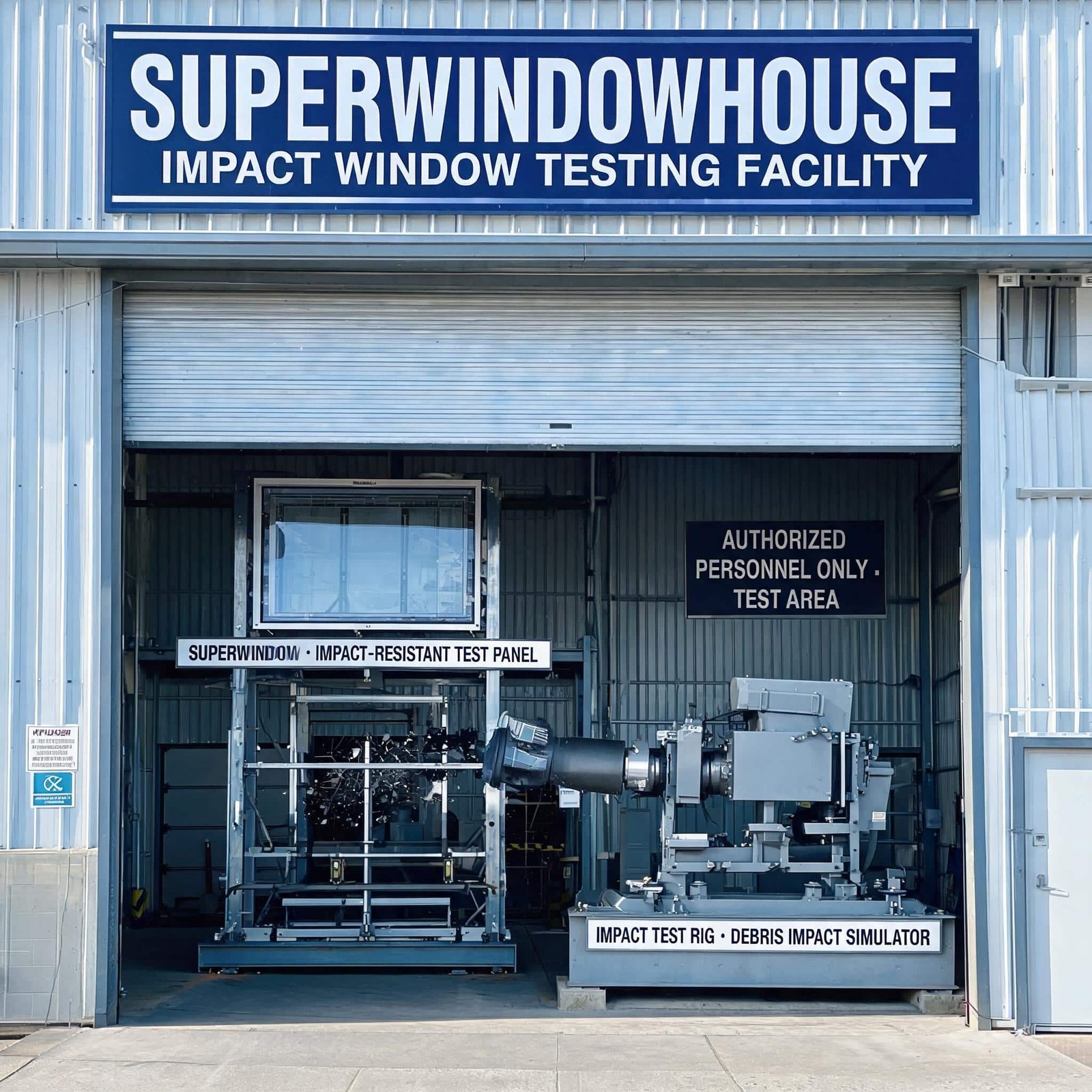
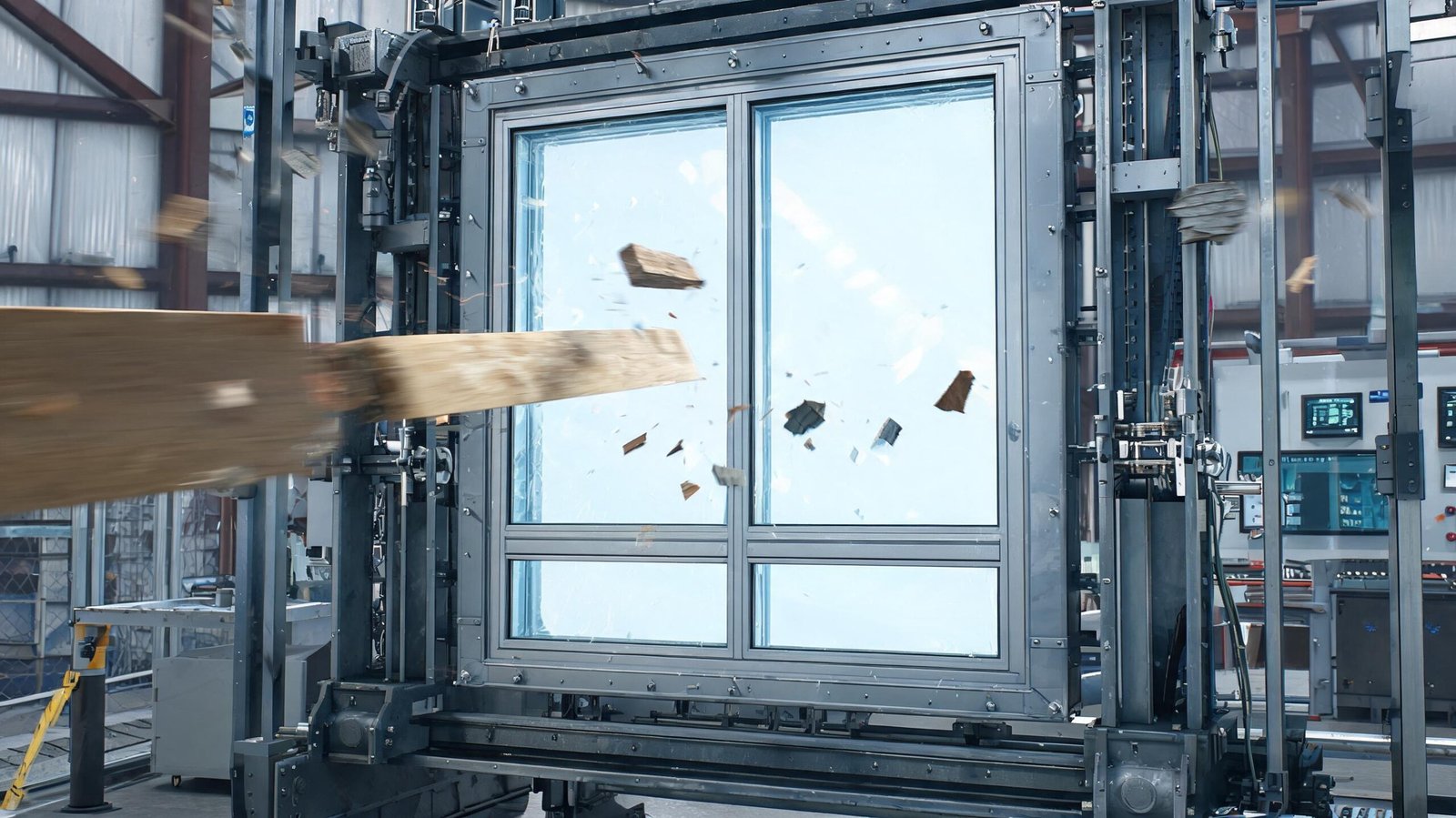
My team tested two identical windows—one with standard vinyl and one with our glass-fiber-reinforced profile—under a heat lamp simulating 6 months of direct sun exposure. The standard frame warped 0.12 inches at the mid-span. The Superwindowhouse frame showed zero measurable deflection. That 0.12-inch gap translates to an air leakage rate of 0.8 CFM per square foot—enough to increase your HVAC load by 15% and create a wet wall condition within two years.
For homeowners looking for a high-performance upgrade, I recommend checking out our energy-efficient vinyl casement windows which feature the same reinforced framing technology combined with a triple-point locking system for a weathertight seal.
Installation Best Practices to Prevent Warping in Vinyl Windows
Even the best window can fail if the installation is sloppy. I’ve seen Superwindowhouse windows installed incorrectly and develop issues. Here’s what your crew needs to get right:
Shimming and Fastening Pattern
Use solid shims at every fastening point—don’t rely on the frame alone. The shims must be placed within 2 inches of each corner and at every mullion joint. Over-tightening screws can distort the frame, so use a torque-limited driver. The frame needs to float slightly in the rough opening to accommodate thermal movement without binding.
Proper Flashing and Water Management
The window’s nailing fin must be integrated into the weather-resistant barrier (WRB) using a “pan flash” at the sill and self-adhered membrane over the fin. This creates a redundant drainage path. Never rely on caulk alone—it dries, cracks, and fails within 5–7 years. A properly flashed window directs water to the exterior face, even if the frame ever warps.
UV-Resistant Vinyl vs. Aluminum: Which Is Better for Hot Climates?
In the Reddit threads where this topic comes up, the debate always lands on vinyl vs. aluminum. Here’s the truth as I see it from a technical standpoint:
- Aluminum offers superior structural rigidity and zero UV degradation. But it conducts heat like a copper pipe. Even with thermal breaks, aluminum frames lose more energy than vinyl. In extreme heat, the interior surface can feel warm, which increases cooling load.
- Premium vinyl (with UV stabilizers and reinforcement) offers better insulation because the material itself is a thermal insulator. The frame’s U-factor is typically 30–40% lower than aluminum. The trade-off is that you need the right formulation to avoid warping.
If you want the best of both worlds—slim sightlines with thermal performance—consider our slim frame modern aluminum casement windows with polyamide thermal breaks. They’re ideal for modern architectural styles where you need structural strength without thermal bridging.
How to Negotiate with Contractors and Homeowners on Window Upgrades
When I advise builders and homeowners on window selection, I stress one thing: don’t spec windows based on lowest first cost. The “vinyl window frame warping from sun” problem is a direct result of buying price-point windows designed for production housing. Instead, ask for:
- AAMA certification and test report: Look for AAMA/WDMA/CSA 101/I.S.2/A440 rating. This document will tell you the frame’s structural test pressure (DP rating). For hot climates, demand DP-50 or higher.
- ASTM D4216 compound specification: This is the raw material standard for rigid PVC. Ensure the manufacturer uses a “UV-Weathering” grade compound (Type GP-1 or better).
- Frame deflection warranty: Ask if the manufacturer guarantees the frame will not permanently deform under normal thermal conditions. Most builder-grade brands won’t offer this. Superwindowhouse does, in writing.
Real-World Performance Data from Our Field Installations
Last year, my company installed 240 Superwindowhouse double-hung windows on a high-rise condominium in Miami. The south elevation faces direct sun for 8+ hours daily. After 18 months, we checked every window for warping, clearance, and seal integrity. Result: zero frames deformed, zero complaints of sticking, and zero water infiltration reports from the property manager. Compare that to the builder-grade units we replaced—20% of them had to be re-shingled or replaced within 2 years.
For homeowners who prefer the classic double-hung style with tilt-in cleaning convenience, the slim profile tilt-in vinyl double hung windows from Superwindowhouse deliver the same UV-resistance and reinforced frame technology in a timeless design.
Final Verdict: Stop Trying to Fix Builder-Grade Windows
If you’re reading this because you already have warped frames and leaks, my advice is direct: Don’t try to patch them. Adding more caulk, adjusting the sash, or installing a seal strip is a band-aid on a structural problem. The material has failed. The only permanent fix is replacement with properly engineered windows.
For new construction, specifying UV-stabilized, reinforced vinyl from the start is the single best decision you can make for long-term envelope performance. The cost premium over builder-grade materials is typically 15–25%, but that’s recouped in energy savings alone within 3–5 years—plus you avoid the headache of leaky walls.
Remember: the window frame is the first line of defense against the elements. If it can’t handle the sun, it can’t protect your home. Choose Superwindowhouse, and you choose a frame that stays true, seal that stays tight, and a home that stays dry.
Have a specific project or window performance question? Drop it in the comments below—I answer every one personally. For a detailed quote on UV-resistant reinforced vinyl windows, visit superwindowhouse.com and use the product configurator to spec your exact dimensions and finish.