Why Vinyl Windows Fail Over Time
Vinyl windows dominate the market because they cost less upfront. But that initial savings often disappears when you factor in repairs, energy loss, and early replacement. As a manufacturer, I can tell you that the material itself has fundamental limitations that no amount of engineering can fully solve.
Warping in the Window Frames
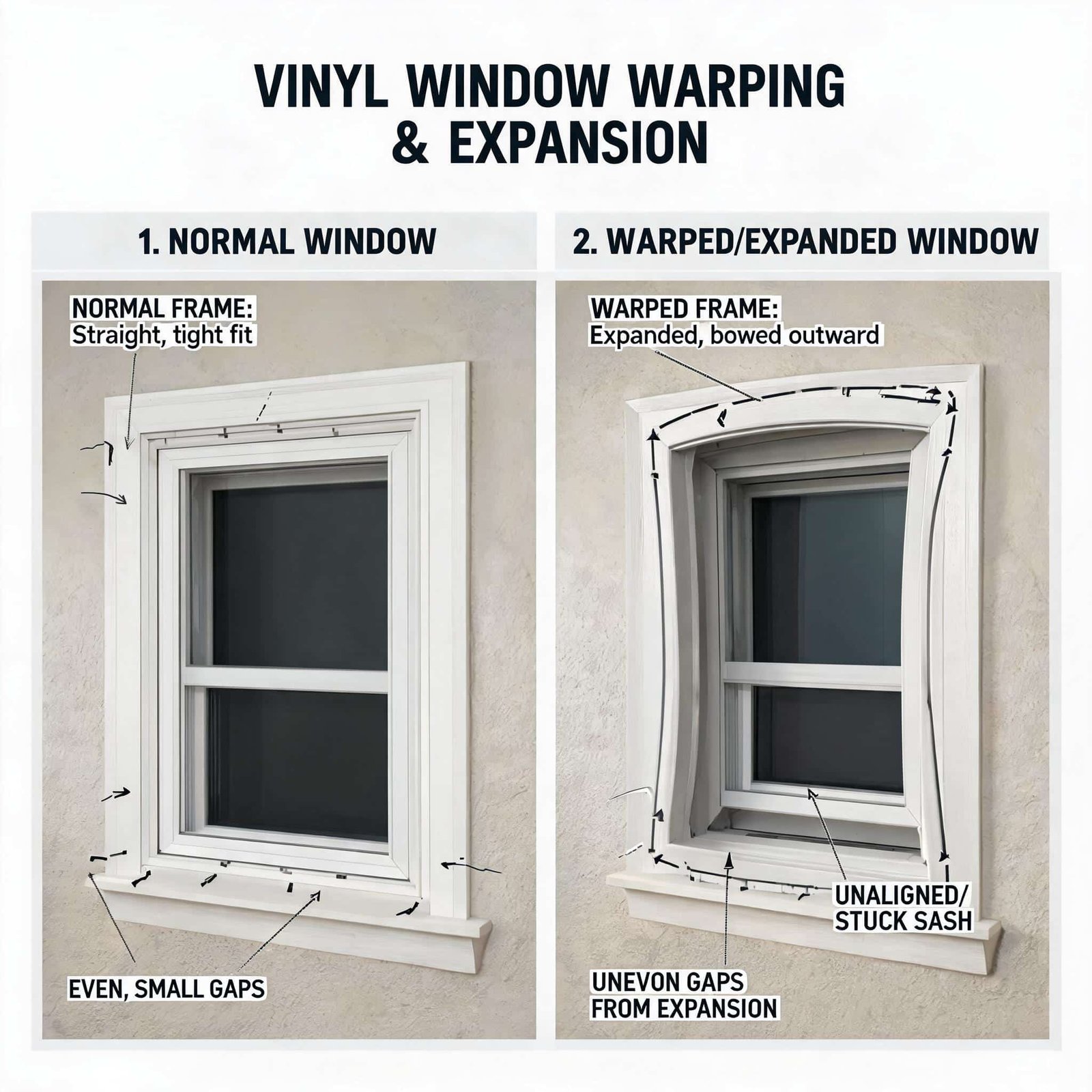
One of the most common complaints we hear is about warping. Vinyl is a thermoplastic, which means it softens and deforms when exposed to heat. On a sunny summer afternoon, the surface temperature of a dark-colored vinyl frame can easily exceed 160 degrees Fahrenheit. That’s enough to cause visible distortion.
Do vinyl windows warp? Absolutely. And it’s not just an aesthetic issue. Warped frames create gaps around the sash, letting conditioned air escape and outdoor air infiltrate. Your HVAC system works harder, your energy bills climb, and your home becomes less comfortable.
The problem gets worse with dark-colored frames because they absorb more heat. Lighter colors help slightly, but they don’t eliminate the underlying material weakness.
Expansion and Contraction
This is where things get technical, but it matters for your home. All building materials expand and contract with temperature changes. But vinyl does this dramatically more than wood, aluminum, or composite materials.
Do vinyl windows expand and contract? Yes, and this movement is one of the biggest engineering challenges with vinyl windows. A six-foot vinyl window frame can expand or contract by as much as 1/4 inch between winter and summer extremes.
That constant movement puts stress on several critical areas:
- The glass seal: When the frame moves, it pulls on the insulated glass unit. Over time, this breaks the seal, allowing moisture to get between the panes. You’ll see fogging and condensation that can’t be cleaned.
- The locking mechanism: Expansion can cause windows to stick in summer and develop gaps in winter. Your locks may not engage properly, creating a security risk.
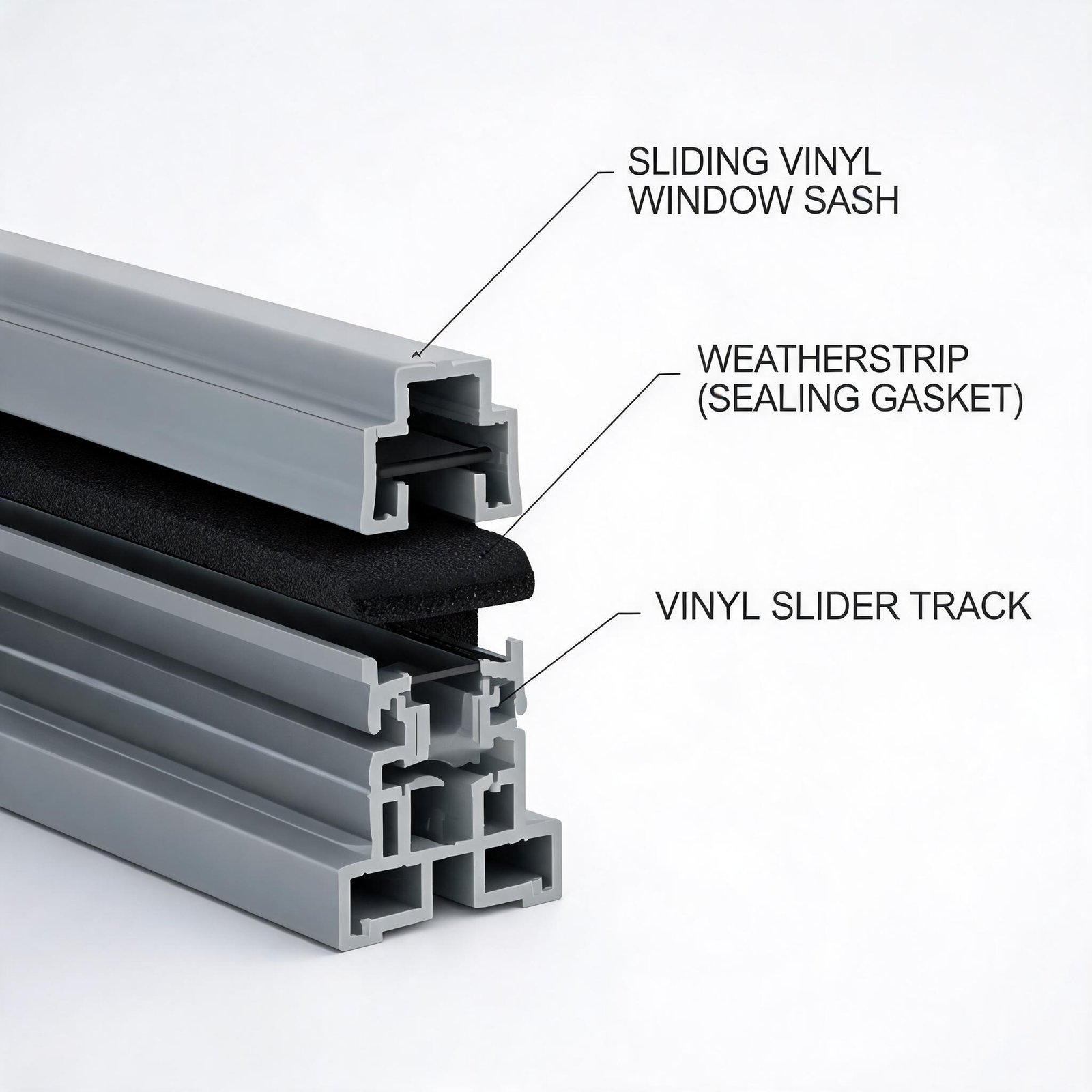
- The weatherstripping: Constant movement wears out seals faster, leading to drafts and air leakage.
For homeowners in states like Texas, where summer temperatures regularly exceed 100 degrees, vinyl windows in texas face extreme conditions that accelerate these problems. The intense sun and heat cause faster degradation than in milder climates.
Discoloration and UV Damage
Vinyl windows don’t just warp and move. They also fade. Ultraviolet radiation from the sun breaks down the plasticizers in vinyl, causing yellowing, chalking, and surface degradation.
I’ve seen five-year-old vinyl windows that look older than twenty-year-old wood windows. The color fades unevenly, especially on south and west-facing exposures. Some manufacturers add UV stabilizers, but these only delay the inevitable. Once the stabilizers are depleted, the fading accelerates.
White vinyl holds up better than colored vinyl, but it still develops a chalky residue over time. You can clean it, but the damage is permanent. The surface becomes rough and porous, trapping dirt and making future cleaning harder.
Structural Weakness and Durability Concerns
Are vinyl windows durable? The honest answer is: it depends on what you compare them to. Vinyl is strong enough for standard residential applications, but it lacks the rigidity of wood or composite materials.
Large windows, especially casement and awning styles, require reinforced frames. Many budget vinyl windows skip this reinforcement, leading to sagging and operational problems. The frames can twist during installation or after years of thermal cycling.
Vinyl also becomes brittle in cold weather. In northern climates, a hard impact from a falling branch or flying debris can crack the frame. Repairing vinyl windows is difficult because the material doesn’t take paint or filler well. Often, the only solution is full replacement.
The Hidden Costs of Vinyl Windows
The low purchase price of vinyl windows hides several long-term costs:
- Higher energy bills: Poor air sealing from warping and expansion means your heating and cooling system works overtime.
- Shorter lifespan: While vinyl windows are advertised as lasting 20-30 years, many fail within 10-15 years in harsh climates.
- Difficult repairs: Cracked or warped frames often can’t be repaired. You’re looking at full replacement.
- Reduced home value: Buyers recognize cheap vinyl windows. They don’t add the same resale value as quality materials.
What Makes a Better Alternative?
After years of manufacturing and testing different window materials, I’ve seen what works and what doesn’t. The best windows combine the thermal performance of vinyl with the structural integrity of wood or composite materials.
For homeowners who want durability without the maintenance of wood, modern composite materials offer a compelling solution. These materials resist warping, hold their color, and handle temperature extremes without the constant expansion and contraction that plagues vinyl.
If you’re looking for windows that can handle real weather conditions, consider options like are vinyl windows durable enough for your climate. The answer depends on your specific situation, but understanding the limitations helps you make an informed choice.
Making the Right Choice for Your Home
When you’re investing in replacement windows, think beyond the initial price tag. Consider the total cost of ownership over 20 years. A slightly more expensive window that lasts 30 years without problems is cheaper than a budget window that needs replacement in 12 years.
Look for windows with:
- Reinforced frames: Steel or aluminum reinforcement prevents sagging in large windows.
- Quality seals: Multi-point locking systems and compression seals reduce air leakage.
- UV-stable materials: Composites and fiberglass hold their color much longer than vinyl.
- Thermal breaks: These reduce heat transfer through the frame, improving energy efficiency.
For homeowners in hot climates, vinyl windows in texas face particular challenges. The combination of intense sun, high temperatures, and humidity accelerates every weakness vinyl has.
Final Thoughts
Vinyl windows aren’t terrible. They serve a purpose in mild climates and budget-conscious projects. But they’re not the universal solution that marketing suggests. Understanding the real drawbacks helps you avoid costly mistakes.
Your windows are a long-term investment in your home’s comfort, energy efficiency, and value. Choose a material that will perform for decades, not just a few years. Your future self will thank you.
Frequently Asked Questions
How long do vinyl windows typically last?
In mild climates with moderate sun exposure, vinyl windows may last 15-25 years. In hot or cold climates with extreme temperature swings, expect 10-15 years before significant problems develop.
Can warped vinyl windows be repaired?
Minor warping might be addressed by adjusting the frame or replacing weatherstripping. Significant warping usually requires full frame replacement because the material has permanently deformed.
Do all vinyl windows expand and contract?
Yes, all vinyl windows expand and contract with temperature changes. The amount varies by formulation and color, but the material’s coefficient of thermal expansion is significantly higher than wood, aluminum, or composite materials.
Are vinyl windows energy efficient?
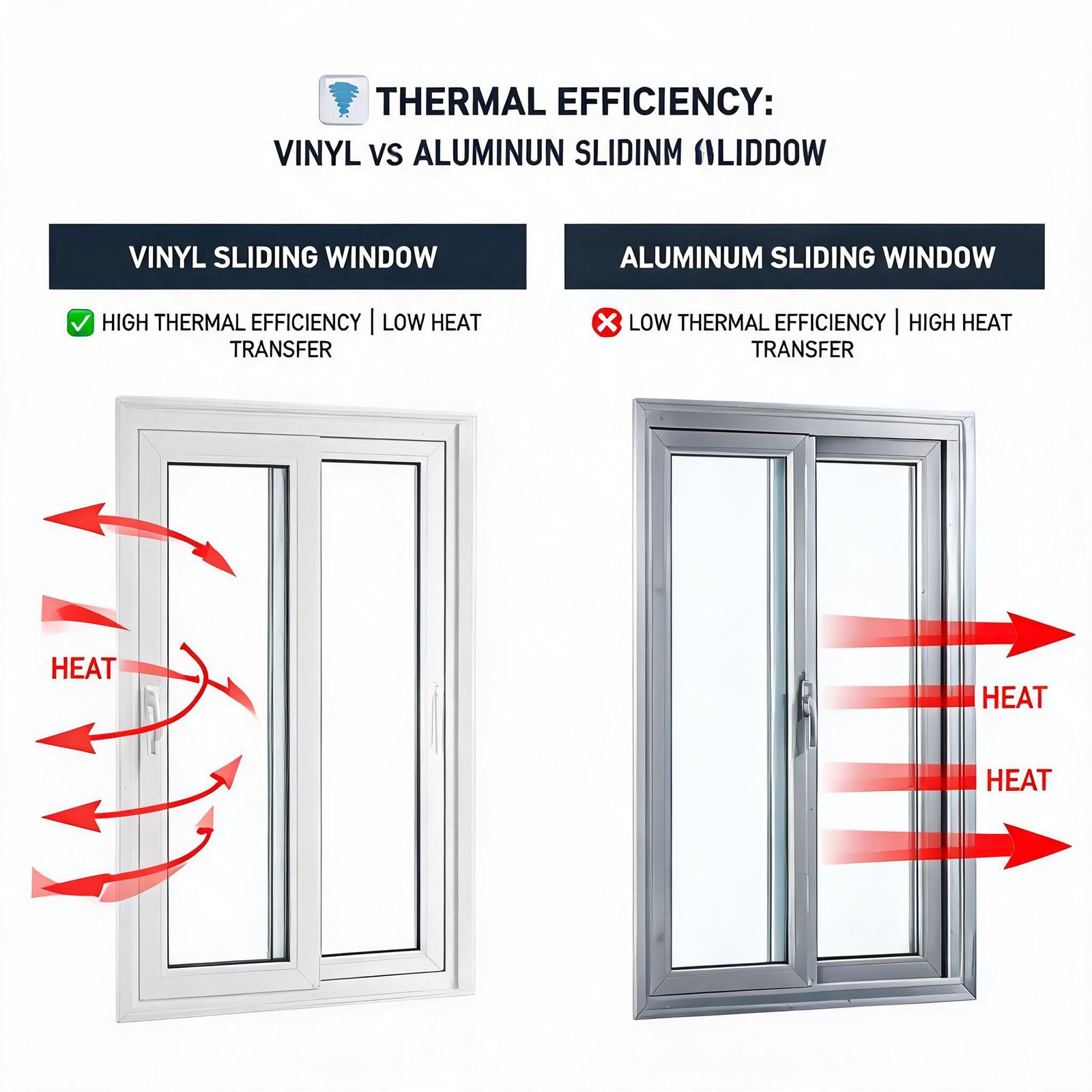
New vinyl windows can be energy efficient when properly installed. However, as the frames warp and seals fail over time, energy performance degrades. The initial efficiency rating doesn’t reflect long-term performance.
What is the best alternative to vinyl windows?
Fiberglass and composite materials offer better durability, dimensional stability, and UV resistance. Wood windows provide excellent insulation but require more maintenance. The best choice depends on your climate, budget, and maintenance preferences.
Do vinyl windows fade in the sun?
Yes. UV exposure causes vinyl to yellow, chalk, and fade over time. Darker colors fade faster than white. UV stabilizers slow this process but don’t prevent it indefinitely.