For commercial builders and residential contractors, vinyl single and double hung windows deliver the best balance of thermal performance, installation flexibility, and long-term maintenance savings. Unlike sliding or casement alternatives, these vertical sliders operate on a balanced sash system that reduces mechanical wear while providing superior air infiltration control. When specified for production housing or light commercial projects, AAMA 101-certified vinyl double hung frames consistently achieve U-values below 0.30 Btu/h·ft²·°F, translating to measurable energy code compliance savings across entire subdivisions.
Why Choose Vinyl Double Hung Frames Over Other Window Types
Direct Cost Efficiency for Production Builders
The pricing advantage of vinyl hung windows is not just about raw material cost. It is about total installed cost across a project. Unlike aluminum frames, which require thermal breaks to meet energy codes, or wood frames that demand painting and sealing on-site, vinyl double hung windows arrive fully finished. No field touch-up. No caulk schedules. No warranty callbacks for rotted sills.
Key cost drivers that favor vinyl vertical sliders:
- Unit pricing 15–25% lower than comparable fiberglass or wood-clad units
- No on-site painting or staining labor — material cost savings of $80–$150 per opening
- Lighter sash weight reduces labor time for multi-story installations
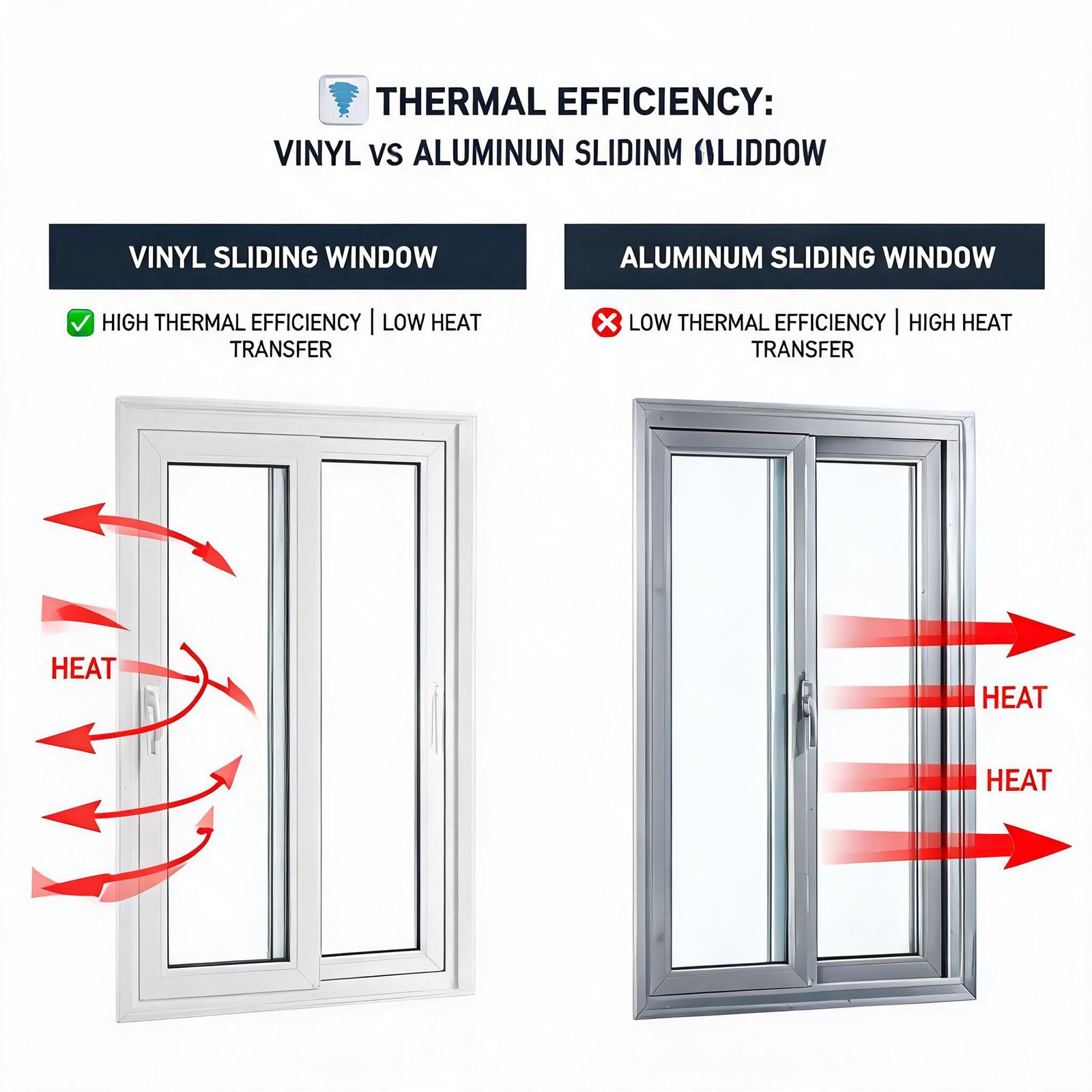
- Consistent thermal performance without thermal break add-ons
Space Saving Benefits of Single Hung Windows
For multifamily projects and light commercial applications, space saving benefits of single hung windows become a critical design consideration. Because only the bottom sash moves, single hung units require less clearance inside the room than casement windows, which swing outward, or awning windows, which require headroom.
How this works in real projects:
- Interior blinds and shades fit flush against the frame without obstruction
- Window wells in basements or below-grade spaces can be shallower — reduces excavation costs
- Adjacent countertops, sinks, or furniture can be placed closer to the window without interfering with operation
- Ideal for narrow openings where swing clearance is physically impossible
Ventilation Control with Double Hung Windows
The industry often overlooks one key advantage of hung windows: precise airflow management. With a double hung design, both sashes tilt inward for cleaning, but while in operation, they allow ventilation control with double hung windows that no other type matches.
Upper sash opens — warm air near the ceiling exhausts naturally, creating stack-effect airflow.
Lower sash opens — cool air enters at occupant level, ideal for sleeping areas or offices.
Both sashes partially open — balanced cross-ventilation with no obstruction from a swinging frame.
This vertical airflow pattern reduces the need for mechanical ventilation during shoulder seasons. In warmer climates, tilt-in double hung units can be configured with insect screens on both sashes, doubling the screened opening area compared to a single sash design.
Security Features of Vinyl Vertical Sliding Windows
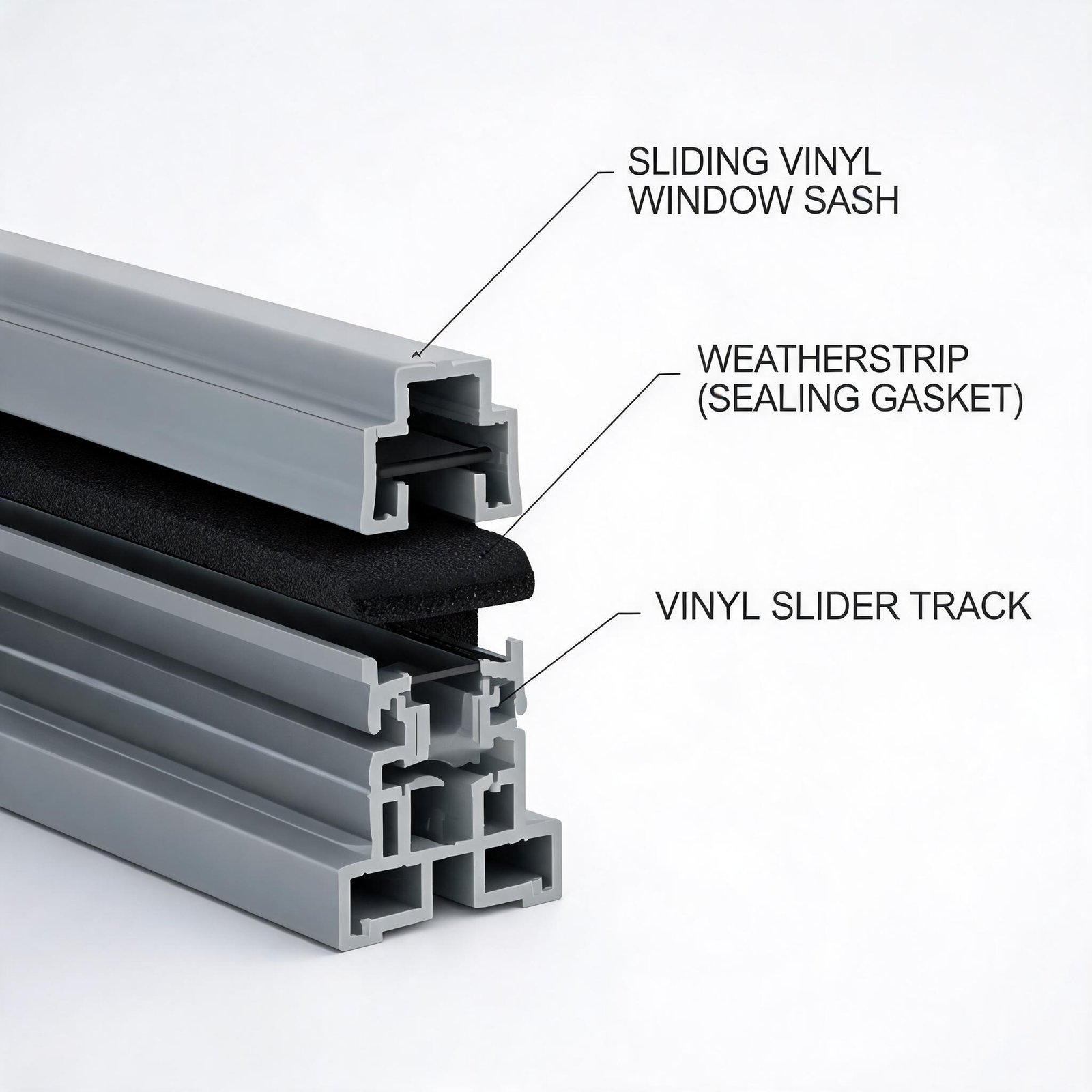
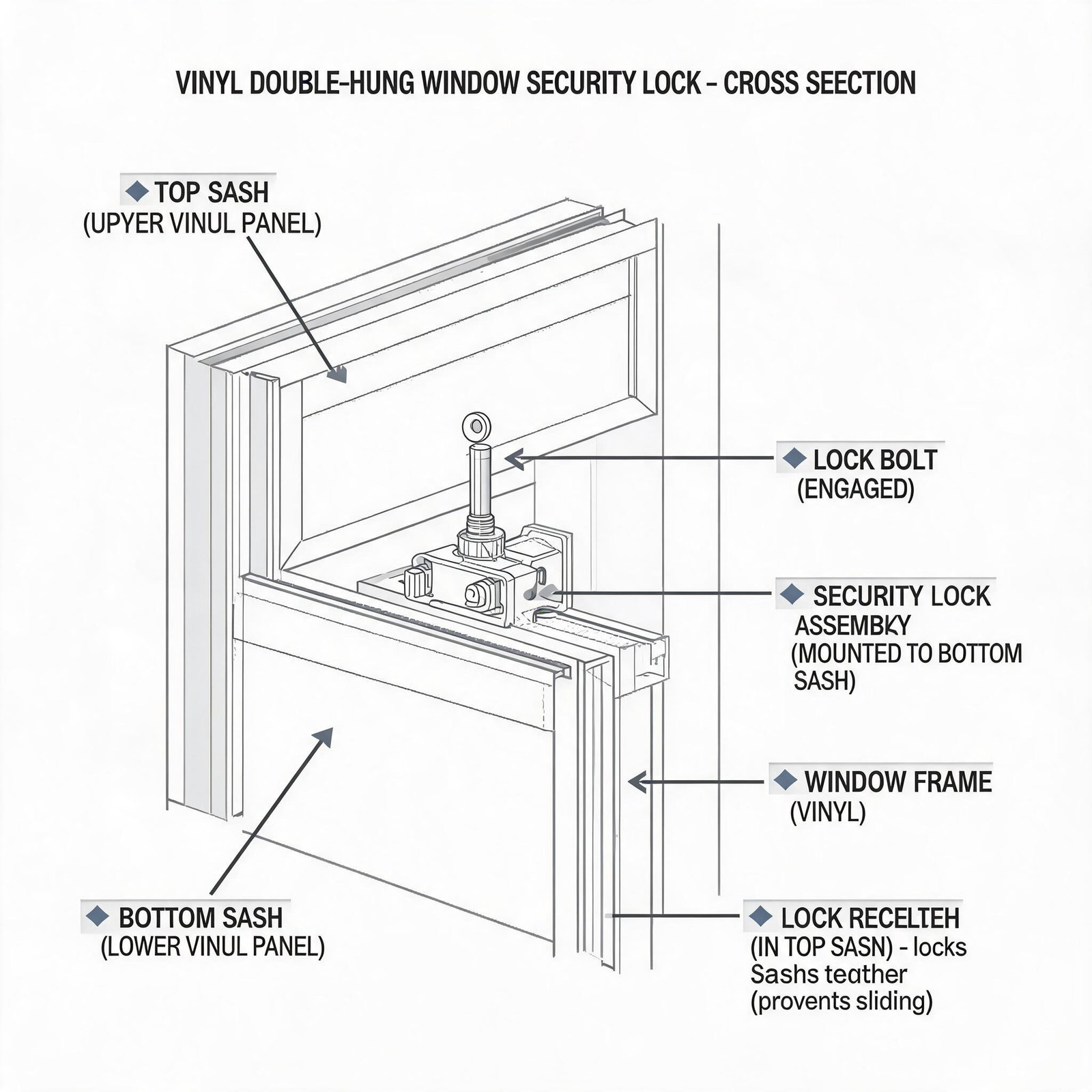
Builders often question whether vinyl windows can match the forced-entry resistance of aluminum or steel frames. The short answer: yes, when specified correctly. The security features of vinyl vertical sliding windows depend on three factors: extrusion wall thickness, interlock engagement, and sash reinforcement.
What to Specify for Enhanced Security
When choosing a vinyl hung window with integrated security components, look for these design characteristics:
- Continuous sash interlock — a rigid PVC profile that locks the meeting rails together across the full width, not just at the latch point
- Steel-reinforced sill — prevents downward bowing under forced lifting pressure
- Multi-point locking system — three or four locking points along the meeting rail instead of a single center latch
- DP-50 rated frames — withstands 50 psf of design pressure, sufficient for windborne debris resistance in hurricane-prone regions
Real Performance Data
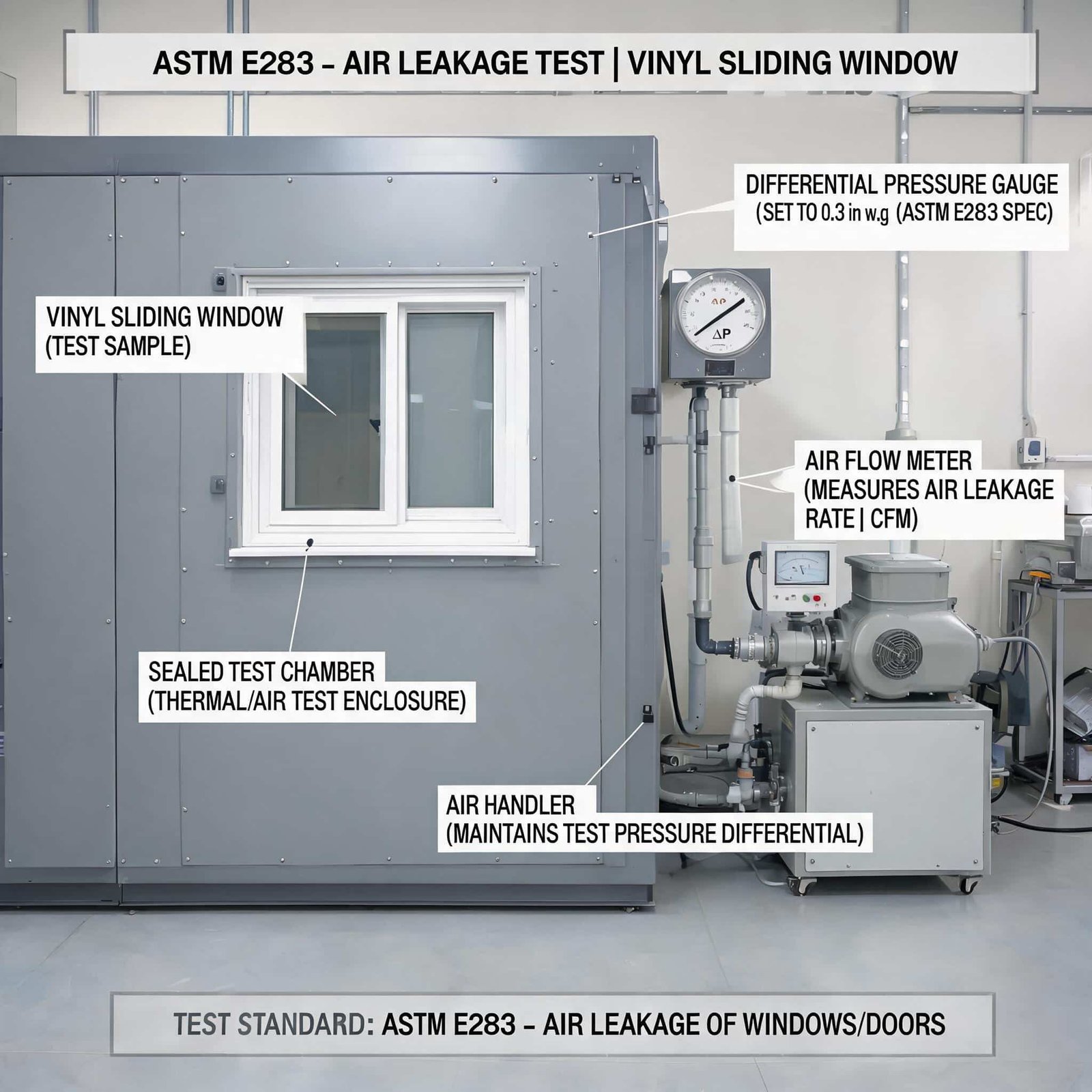
Standard grade vinyl hung windows meet ASTM F588 forced-entry resistance with a 10-pound drop test on the latch. For high-security projects, specify windows with AAMA 1304-15 impact-resistance ratings. These units use thicker wall extrusions and reinforced subsills to achieve the same structural integrity as commercial-grade aluminum systems — without the thermal bridging issues.
Low Maintenance and Longevity: The Contractor’s Perspective
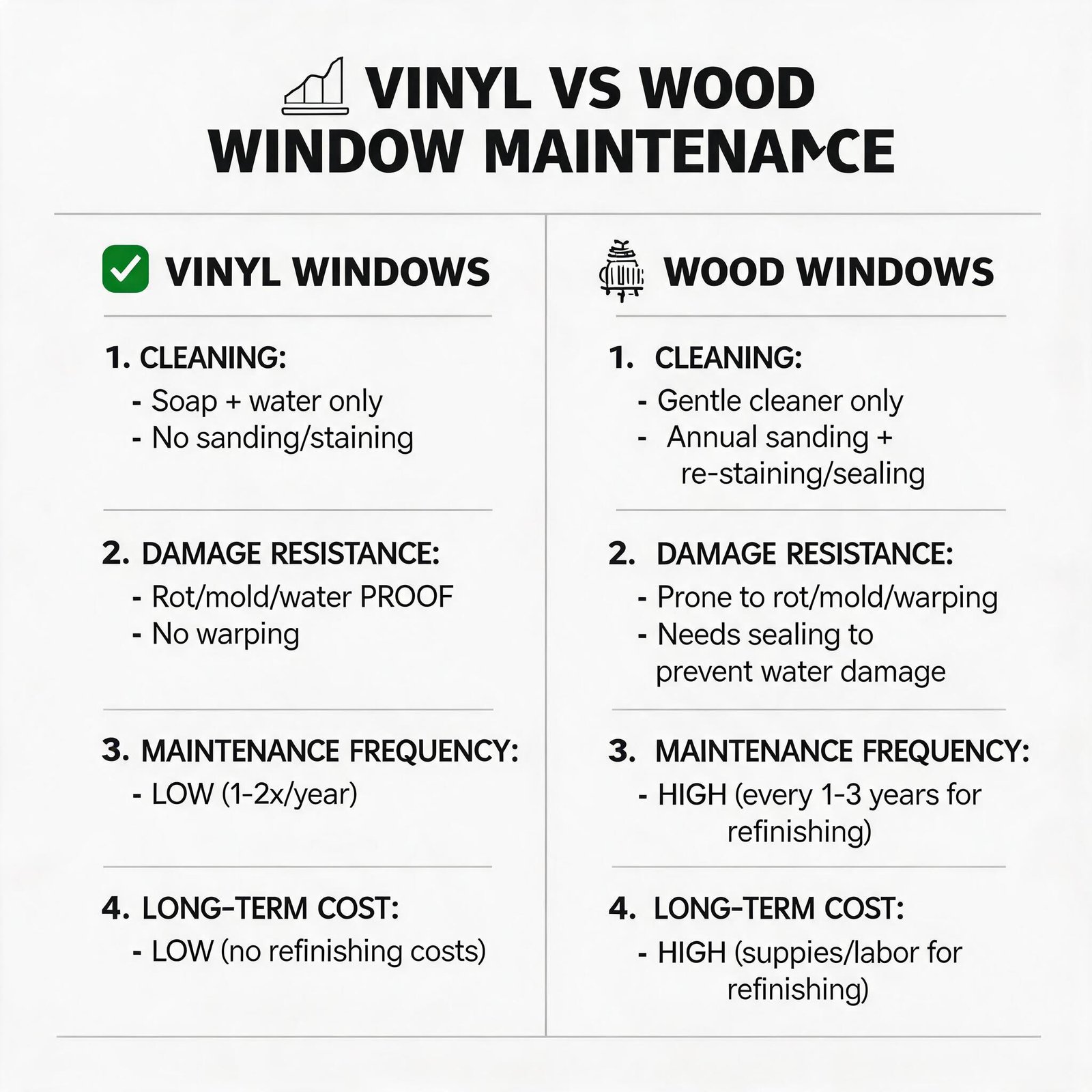
When you think about your warranty exposure, vinyl hung windows offer the simplest path forward. The material is inherently moisture-resistant. It does not warp, swell, or corrode. The color is extruded through the full thickness of the profile, so there is no paint to peel or reapply.
Maintenance requirements over a 20-year lifecycle:
| Maintenance Task | Vinyl Hung Window | Wood Hung Window | Aluminum Hung Window |
|---|---|---|---|
| Painting or staining | None | Every 3–5 years | None (if factory coated) |
| Weatherstripping replacement | Once (year 15–20) | Every 8–12 years | Every 10 years |
| Sash balance adjustment | Possible (replaceable block-and-tackle) | Requires frame disassembly | Difficult (welded frames) |
| Window washing | Tilt-in easy cleaning | Full screen removal required | Tilt-in (some models) |
| Corrosion treatment | Never | Never | Annually in coastal zones |
| Full replacement cost per opening | $250–$450 | $600–$1,200 | $400–$800 |
The table above makes one thing clear: for large-scale projects, vinyl double hung windows reduce your service call volume dramatically. Fewer callbacks means higher profit margins and better client referrals.
Matching Your Project to the Right Hung Window
Not all hung windows serve the same purpose. Your choice between single and double hung depends on two factors: accessibility and airflow.
Choose single hung when:
- Project is a multi-story building with exterior access available for cleaning (or you use a window washing service)
- You need maximum cost savings per opening
- Budget is tight but code compliance is mandatory
Choose double hung when:
- Windows are on upper floors without exterior access
- You want both sashes to tilt inward for cleaning from inside the room
- Natural ventilation control is a design priority
- Occupants want the ability to open top and bottom independently
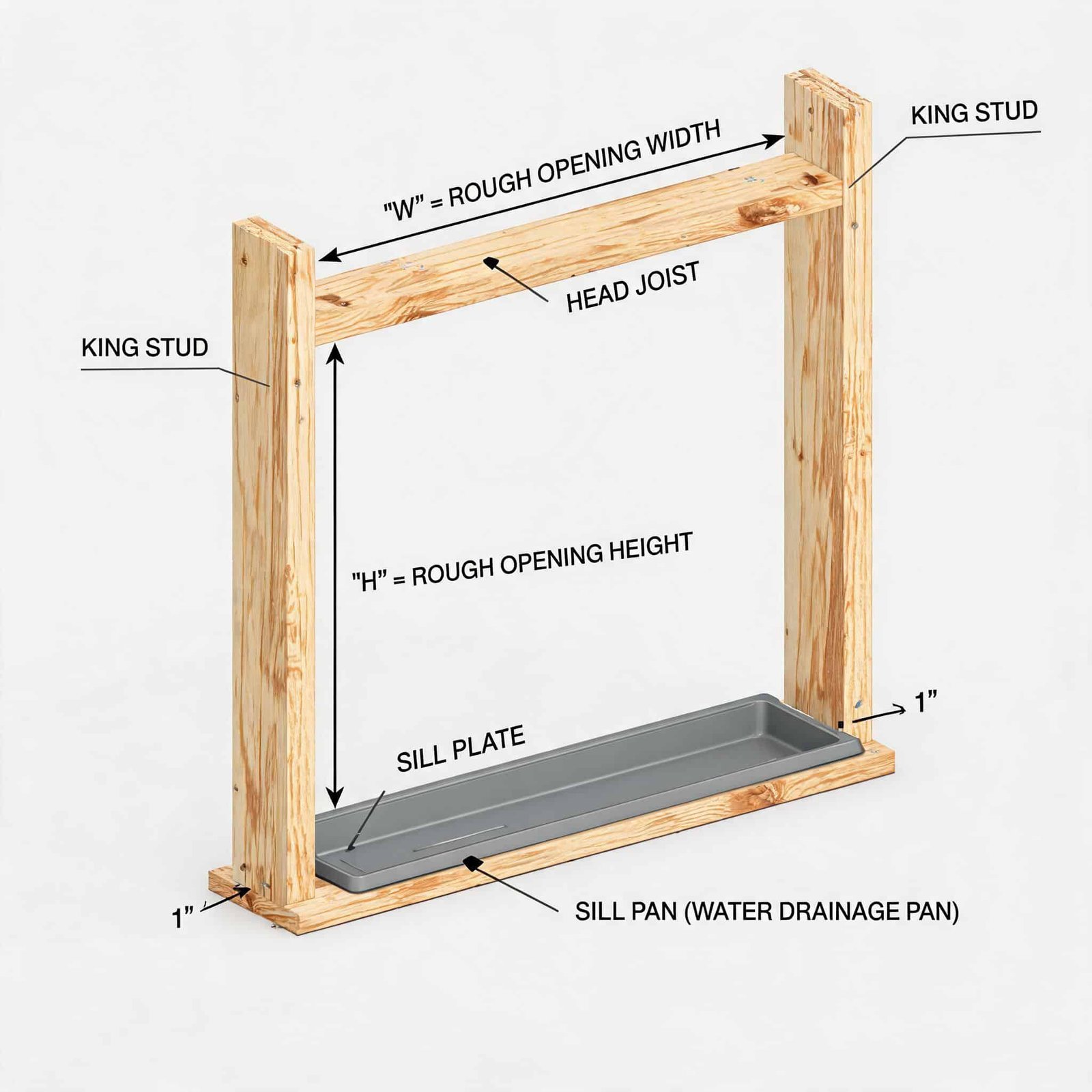
For projects requiring custom vinyl hung window sizes with specific DP ratings, we recommend specifying frame reinforcements at the design stage rather than during procurement. This avoids lead time delays and ensures the structural test report matches your actual unit.
Final Recommendations for Specifiers
If you are sourcing windows for a 50-unit apartment building or a 200-home subdivision, start with vinyl hung windows as your baseline. They meet Energy Star Most Efficient thresholds. They satisfy AAMA 101 performance standards. And they keep your on-site labor to the absolute minimum.
The winning formula:
- Specify DP-35 or higher for wind load compliance
- Request NFRC labels to verify U-value and SHGC before finalizing
- Require balance systems with lifetime warranty from the extrusion manufacturer
- Order full window assemblies with factory-installed nailing fins and brickmold — no field fabrication needed
Vinyl hung windows are not just the economical choice. For most projects, they are the smartest engineering choice. Install them once. Forget about them. Move on to the next job.