When you’re evaluating bulk vinyl casement window pricing for a commercial project or housing development, the per-unit cost that matters isn’t what you see on a retail website. It’s the factory-direct price that reflects the actual bill of materials, manufacturing overhead, and volume-based efficiencies. Let’s strip away the consumer markup and look at what drives B2B window procurement budgets.
Key Specifications That Impact Factory Pricing
The cost of a vinyl casement window at wholesale level comes down to four primary factors that every contractor and architect should understand:
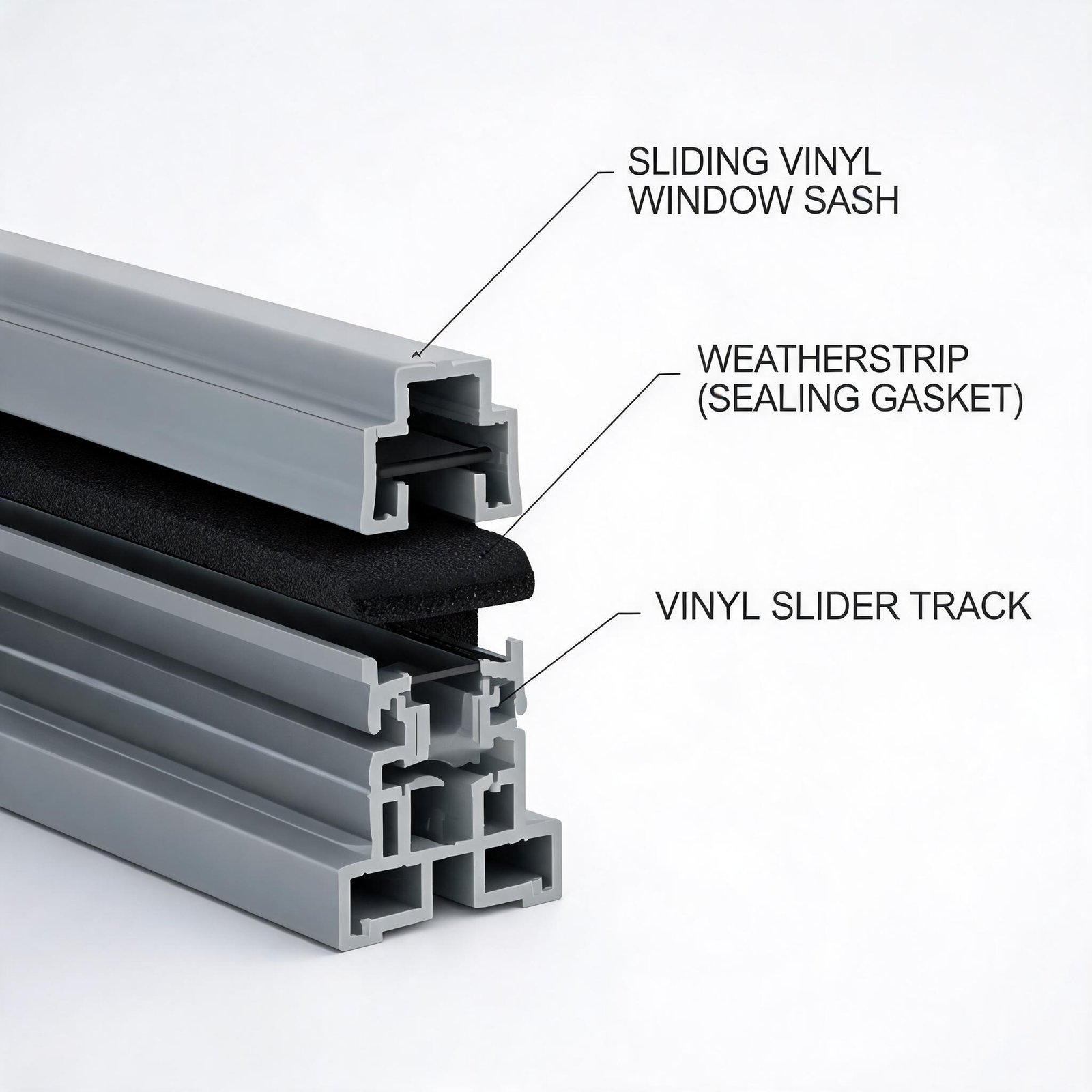
- Frame Profile and Wall Thickness: Standard residential profiles use 1.5mm to 1.8mm wall thickness. Commercial-grade profiles (2.0mm or greater) add 15-25% to the base cost but provide higher DP ratings (R40 or R50) required for coastal or high-wind regions.
- Glass Package: Single-pane is essentially obsolete for new construction. Double-pane Low-E with argon fill is the baseline. Triple-pane with krypton gas adds $30-50 per window but drops U-factor to 0.18 or lower. Low-E coatings like Cardinal 180 or Soft-Coat 272 affect cost by $8-15 per square foot of glass.
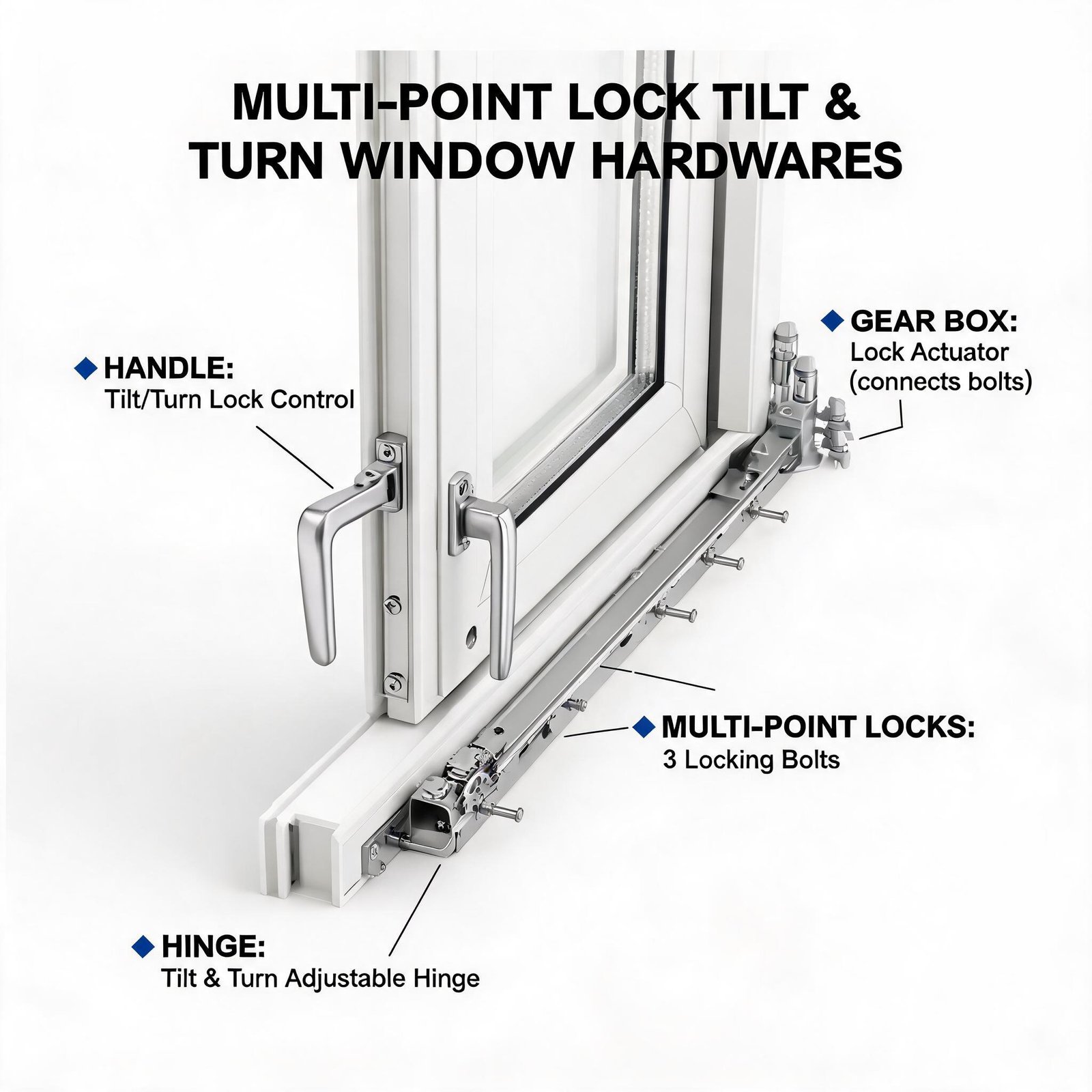
- Hardware Grade: Standard crank-and-lock mechanisms from major suppliers (Truth, Roto, or AmesburyTruth) add $12-18 per window. Heavy-duty stainless-steel hardware rated for 50,000 cycles adds $25-35 but reduces long-term maintenance costs.
- Sash Reinforcement: Aluminum-reinforced sash channels for tall casement units (over 48 inches) add structural rigidity and cost $8-12 per window, but they’re non-negotiable for large openings.
Factory Tip: At Superwindowhouse, we offer a standardized series specifically designed for high-volume commercial orders. By consolidating profile extrusions and glass orders, we reduce per-unit costs by 18-22% compared to custom-engineered runs.
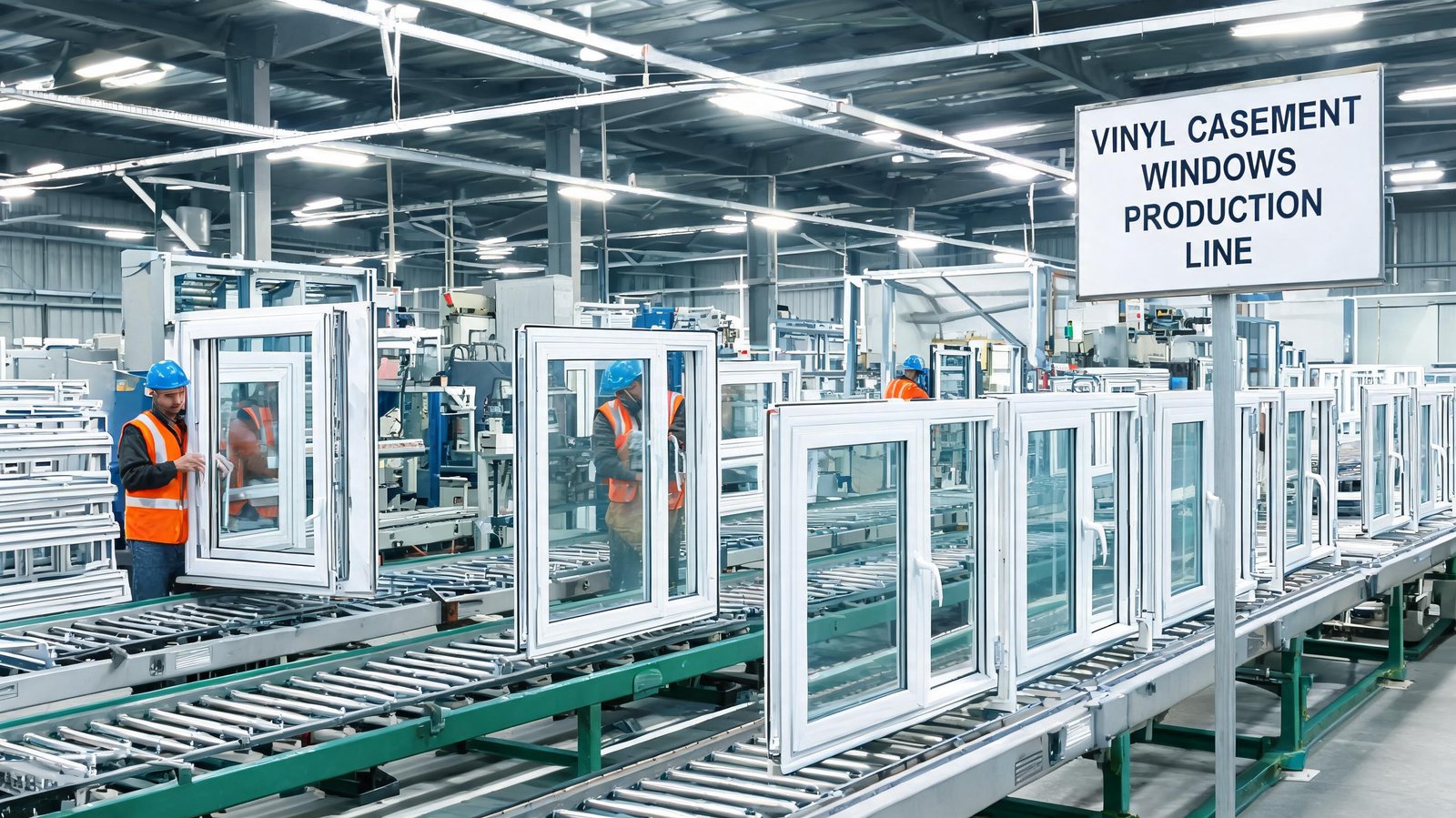
Bulk Buying Vinyl Windows from China: A B2B Procurement Roadmap
You’ve seen the price differentials. Factory-direct pricing from Chinese manufacturers can beat domestic wholesale by 35-50%. But the savings come with real responsibilities. Here’s how to structure a commercial window order that meets code compliance and project timelines.
The Cost Breakdown for Container Orders
When you’re buying direct from a manufacturer like Superwindowhouse, your cost structure changes completely:
| Window Specification | Standard Residential Grade | Mid-Range Commercial Grade | Premium High-Performance |
|---|---|---|---|
| Frame Profile | 1.5mm wall, 3-chamber | 1.8mm wall, 5-chamber | 2.0mm wall, 7-chamber with foam fill |
| Glass Package | Double-pane, Low-E, argon | Double-pane, Low-E, argon, warm-edge spacer | Triple-pane, Low-E 272, krypton, laminated inner pane |
| Hardware | Standard zinc die-cast | Stainless steel, 25,000 cycles | Heavy-duty stainless, 50,000 cycles |
| DP Rating | R25 | R40 | R50 |
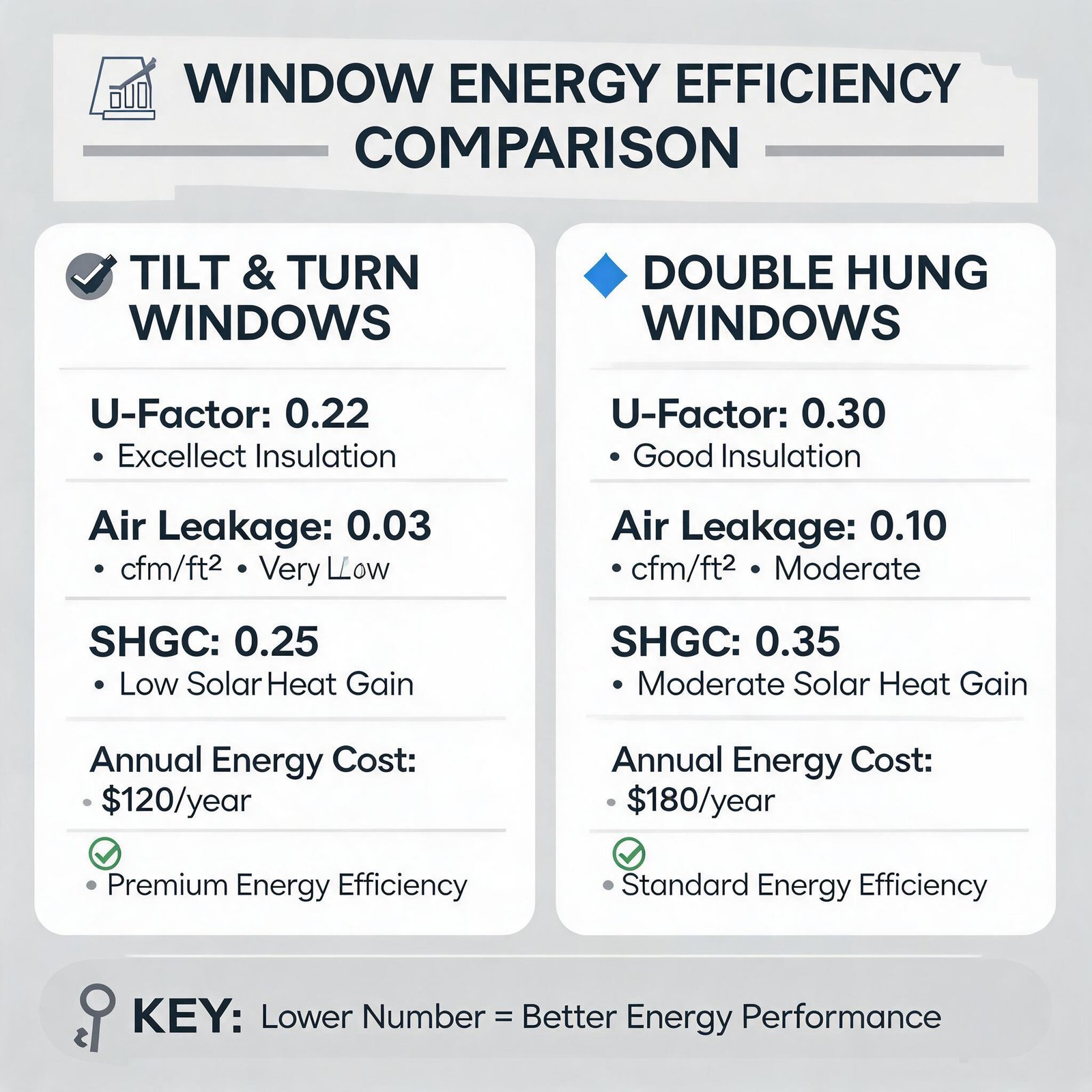
| U-Factor | 0.30 | 0.25 | 0.18 |
| SHGC | 0.35 | 0.28 | 0.22 |
| Unit Price (50+ qty) | $85 – $105 | $115 – $145 | $165 – $220 |
| 20′ Container (approx. 120 units) | $10,200 – $12,600 | $13,800 – $17,400 | $19,800 – $26,400 |
| 40′ Container (approx. 260 units) | $22,100 – $27,300 | $29,900 – $37,700 | $42,900 – $57,200 |
Critical Steps for Cross-Border Procurement
- Specify NFRC-certified thermal performance values, not just glass type. Many Chinese manufacturers don’t routinely test to NFRC standards. You must request simulated or tested U-factor, SHGC, and VT values for your specific profile and glass combination.
- Require AAMA/WDMA certification documents. The North American Fenestration Standard (NAFS) is the baseline. Make sure your supplier provides test reports for air infiltration (≤0.3 cfm/ft²), water penetration resistance, and structural performance.
- Factor in lead times carefully. A properly engineered order from Superwindowhouse typically ships within 30-45 days after design approval. Budget an additional 15-20 days for customs clearance and inland freight to your job site.
- Get hardware samples before committing to full production. The feel and reliability of the crank mechanism, lock engagement, and hinge alignment determine end-user satisfaction. Test three to five complete units first.
Commercial Window Ordering Cost Drivers: The Hidden Variables
Experienced general contractors know that the unit price on the purchase order isn’t the final number. Here are the real cost drivers that affect B2B window procurement budgets for vinyl casement windows.
Shipping, Import Duties, and Logistics
- Ocean freight from China to U.S. West Coast: $2,800 – $4,500 per container (variable by season and port congestion)
- Ocean freight to U.S. East Coast or Gulf: $3,500 – $5,500 per container
- Import duties under HTS 3925.20.0010: Typically 2.5-3.7% of FOB value for PVC windows
- Inland trucking from port to jobsite: $400 – $1,200 depending on distance
- Warehousing and drayage fees: Add 5-8% if you’re not heading directly to site
Practical example: On a 40′ container of 260 mid-grade vinyl casement windows at $135 each (FOB China), your landed cost per window, including freight and duties, lands at approximately $152-158. Compare that to $220-280 per window from a domestic wholesale distributor for comparable specifications.
Installation and Integration Costs
Don’t forget that the window itself is 40-50% of the installed cost. The remaining variables include:
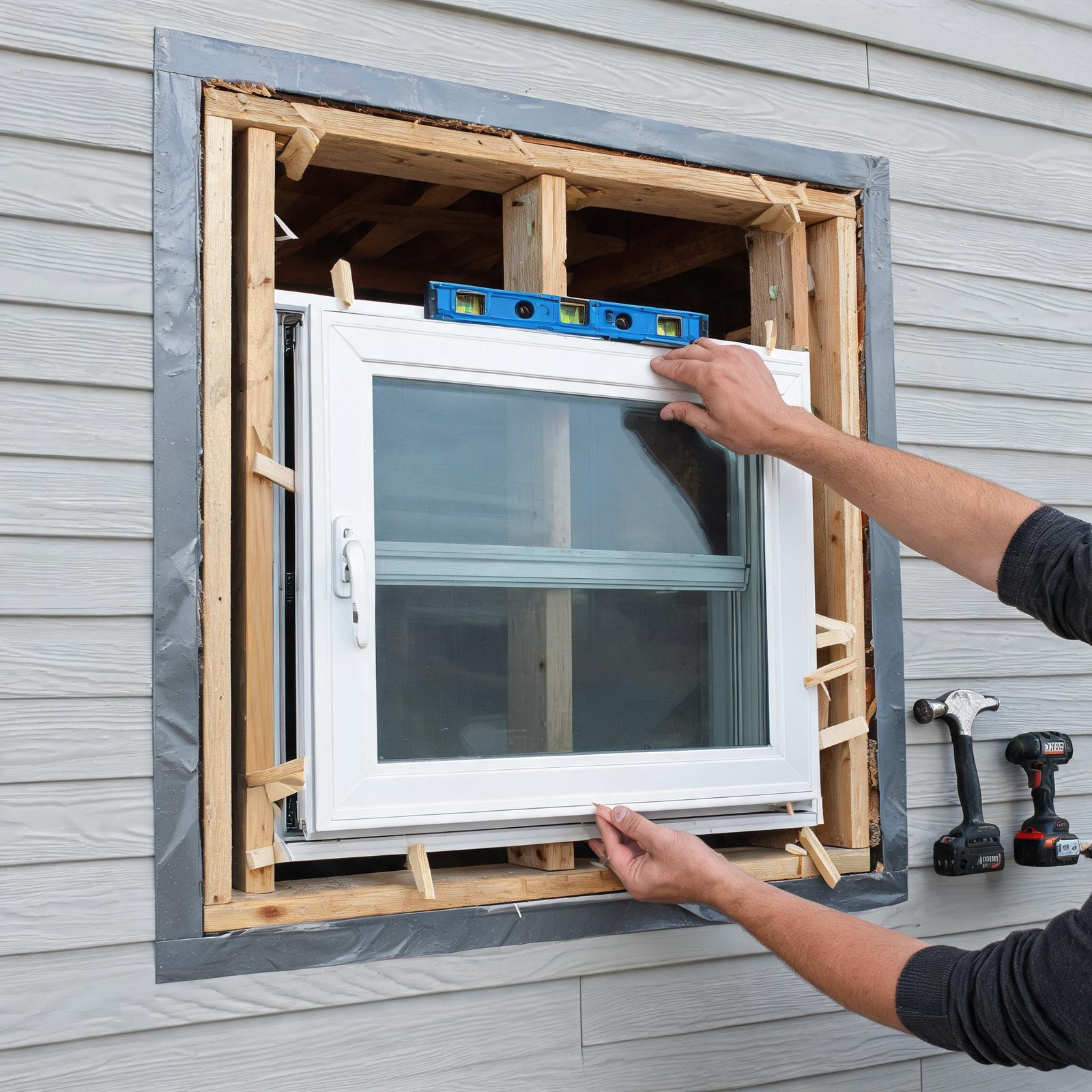
- Rough opening preparation: $15-25 per opening for shimming, flashing, and weatherstripping
- Flashing and air-sealing materials: $8-12 per window for quality peel-and-stick membranes and silicone sealants
- Trim and interior finishing: $10-20 per unit if you’re using standard extension jambs
- Labor rates: Contractors typically charge $80-150 per window for installation, with premium for multi-story or complex openings
Critical Insight: A high-quality window with proper DP rating and thermal performance saves $200-400 per year on energy costs for a typical home. That’s a 6-12-year payback on the incremental upgrade cost—well within the typical 15-20 year product lifespan.
Budgeting Strategies for Large-Scale Projects
Whether you’re sourcing windows for a 50-unit apartment complex or a 200-home subdivision, the procurement strategy is the same: optimize the balance between unit cost, specification compliance, and logistics efficiency.
The Tiered Procurement Approach
Instead of treating all windows identically, segment your order:
- Tier 1 (High-performance): Large casement units, south-facing exposures, and high-traffic areas—specify triple-pane or laminated glass for maximum energy savings and acoustic performance.
- Tier 2 (Standard performance): Typical living spaces and bedrooms—double-pane Low-E with argon fill and mid-grade hardware.
- Tier 3 (Utility spaces): Basements, garages, and mechanical rooms—standard double-pane with basic hardware and no-grid config.
This approach typically saves 12-18% on the total budget compared to specifying everything at the highest tier.
Negotiating with Suppliers
Start the conversation with a clear RFQ that covers:
- Exact unit quantities by size and opening direction (left-hand, right-hand, fixed)
- Required NFRC performance values (U-factor ≤0.30, SHGC ≤0.35 for most climate zones)
- Structural DP rating (minimum R25 for most areas, R40+ for coastal)
- Hardware requirements (brand, finish, cycle rating)
- Glass type and coatings (Low-E specification, argon/krypton, spacer type)
- Color/finish (standard white, beige, or custom laminate colors)
- Packaging requirements (corner guards, shrink wrap, pallet configuration for container loading)
How to Request a Quote That Delivers True Factory Pricing
When you contact Superwindowhouse for a wholesale vinyl casement window quote, provide these details to get the most accurate and competitive pricing:
- Complete window schedule: List all openings by width, height, and type (operable vs. fixed)
- Project location and wind-load zone: This determines the required DP rating
- Glazing preference: Double vs. triple pane, specific Low-E coating, gas fill
- Hardware specifications: Crank and lock brand preference, finish color
- Color and finish: Standard white vinyl ($0 upcharge) vs. custom laminate colors ($15-25 per window)
- Quantity: Larger volumes unlock better per-unit pricing
- Delivery timeline: Standard 4-6 weeks from design approval vs. expedited at premium
Direct exporter tip from Superwindowhouse’s engineering team: “We typically recommend our clients order a small pilot batch of 10-20 windows first. This lets you verify the fit, finish, and installation process before committing to a full container. It’s a low-risk way to validate the product and the supply chain.”
Sample Budget Calculation for a 100-Unit Project
| Line Item | Cost per Window | Total for 100 Windows |
|---|---|---|
| Mid-grade vinyl casement (1.8mm, double Low-E, argon) | $129 | $12,900 |
| Ocean freight and customs (FOB to jobsite) | $22 | $2,200 |
| Hardware upgrade (stainless steel, 25k cycles) | $0 (included in base) | $0 |
| Custom color laminate (optional) | $18 | $1,800 |
| Landed cost per window | $151-169 | $15,100-16,900 |
| Installation materials (flashing, sealant, trim) | $15 | $1,500 |
| Contractor labor (80-120 per unit) | $100 | $10,000 |
| Total installed cost | $266-284 | $26,600-28,400 |
Final Recommendations for B2B Buyers
If you’re sourcing vinyl casement windows for a commercial project or development, here’s the bottom line:
- Focus on total landed cost, not just FOB price. Add 12-18% for freight, duty, and logistics for Chinese imports.
- Verify NFRC and AAMA ratings for every specification you order. Don’t rely on generic performance claims.
- Invest in proper hardware and glass upgrades for high-exposure windows. The energy savings over 10-15 years far outweigh the incremental cost.
- Build a relationship with a factory partner like Superwindowhouse who can provide consistent quality, reliable lead times, and technical support. One bad container can derail an entire project timeline.
Need a specific quote for your project? Our engineering team at Superwindowhouse works directly with commercial buyers to design, engineer, and manufacture custom vinyl casement windows at factory-direct pricing. Explore our wholesale vinyl casement window options for volume orders or Request a customized quote for your aluminum and UPVC window project.
Frequently Asked Questions
How much does a vinyl casement window cost from a factory in China?
Factory pricing for wholesale vinyl casement windows typically ranges from $85 to $220 per unit, depending on frame thickness, glass configuration, and hardware grade. Mid-range units with double-pane Low-E and argon glass run approximately $115-145 for orders of 50+ windows.
What determines the cost difference between standard and commercial-grade casement windows?
The main cost drivers are frame wall thickness (1.5mm standard vs. 2.0mm+ commercial), higher DP ratings (R25 vs. R40+), reinforced sash channels for larger openings, and heavy-duty hardware rated for 25,000 to 50,000 cycles.
How much can I save buying direct from China vs. domestic wholesale?
Typical savings range from 35% to 50% on the window unit cost when buying factory-direct from Chinese manufacturers after accounting for freight, duties, and logistics. Total installed cost savings average 25-35%.
What certifications should I look for when ordering from a Chinese manufacturer?
Require NFRC-certified thermal performance reports, AAMA/WDMA/NAFS certification for structural performance, and compliance with ASTM D4726 for vinyl profile extrusion standards. Always request these in writing before placing an order.
How long does it take to receive a container order from China?
Standard lead times are 30-45 days from design approval to shipment. Add 15-20 days for ocean transit and customs clearance for West Coast ports, and 5-10 additional days for East Coast destinations.