Black windows have taken the residential design world by storm. Walk through any new construction neighborhood or flip through a design magazine, and you’ll see them—sleek, dark frames that create striking contrast against light exteriors and offer a modern, almost architectural feel. But as a manufacturer who has spent decades working with window materials, I can tell you that not all black windows perform the same way. The choice between black vinyl windows and advanced composite materials like Fibrex® is not just about aesthetics. It’s about long-term performance, maintenance, and value.
In this comprehensive guide, I’ll walk you through the real-world pros and cons of black vinyl windows, address the questions that keep homeowners up at night, and explain why the material behind the black finish matters more than you might think.
The Truth About Black Vinyl Windows: What Manufacturers Won’t Tell You
Let’s start with the obvious appeal. Black vinyl windows are affordable. They offer that high-end look at a fraction of the cost of wood or aluminum. And yes, they can look fantastic—for a while. But here’s what I’ve observed after years in the industry: vinyl is a thermoplastic material, and black absorbs heat. That combination creates challenges that many homeowners discover only after installation.
How Heat Affects Black Vinyl Frames
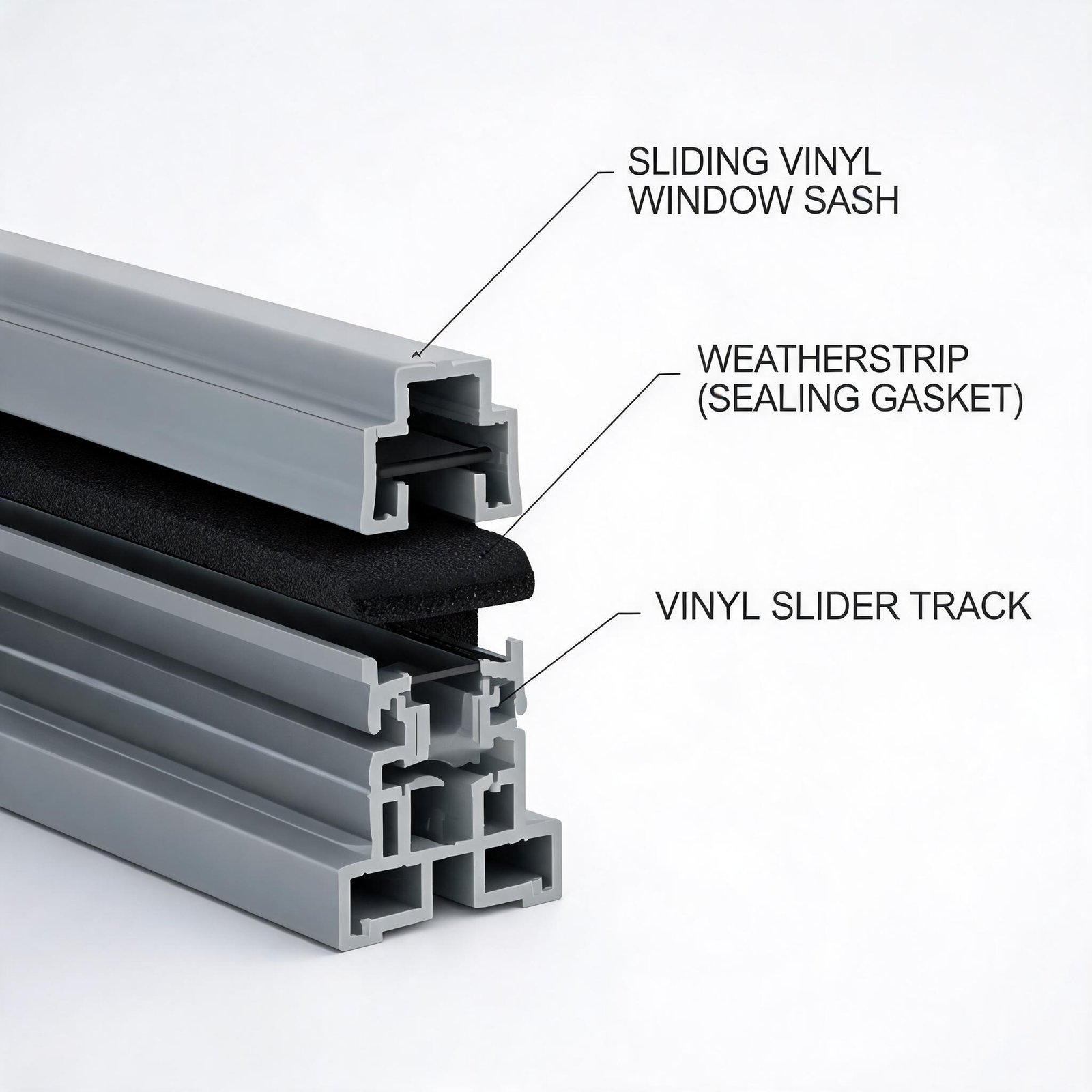
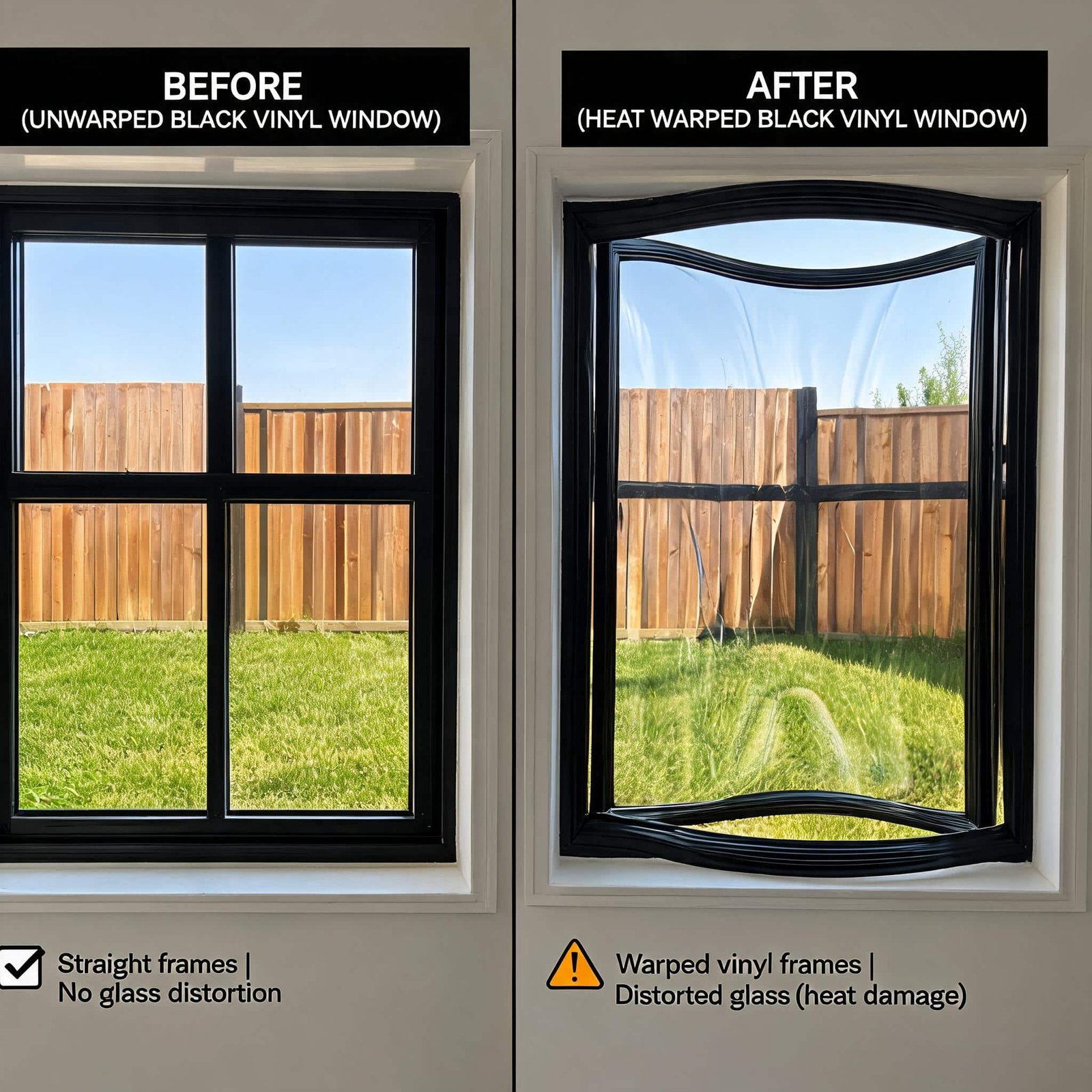
Vinyl windows are made from PVC, which softens when exposed to high temperatures. A black frame can reach surface temperatures of 160°F to 180°F on a sunny summer day. That’s hot enough to cause thermal expansion, warping, and even permanent deformation in lower-quality vinyl formulations.
I’ve seen black vinyl windows that looked perfect in spring but developed visible bowing by late August. The frames no longer seal properly against the sash, leading to air leaks, drafts, and higher energy bills. This is not a defect in every vinyl product—some manufacturers use heat stabilizers and thicker wall profiles—but it remains a real risk, especially in southern climates or south-facing installations.
The Fading Question: Do Black Vinyl Windows Fade?
This is one of the most common questions I hear, and the answer depends entirely on the quality of the vinyl and the coating process. Standard black vinyl windows use a co-extrusion process where the black color runs through the entire profile. This helps prevent scratching from revealing a different color underneath, but it does not prevent UV degradation.
Over time, UV radiation breaks down the polymer chains in vinyl. The black color can shift to a chalky gray or develop a dull, uneven appearance. Some manufacturers add UV inhibitors and titanium dioxide to slow this process, but even the best vinyl will show some color change after five to ten years of direct sun exposure.
If you live in a region with intense sunlight, you should ask your window supplier specifically about UV resistance testing and whether they offer a fade warranty. Many do not.
Are Black Vinyl Windows a Good Idea for Your Home?
The honest answer is: it depends on your priorities. If budget is your primary concern and you’re willing to accept some trade-offs in long-term performance, black vinyl windows can work. But you need to choose carefully.
When Black Vinyl Windows Make Sense
- Mild climates with limited direct sun exposure
- Temporary installations or rental properties where long-term durability is less critical
- Budget-constrained projects where the aesthetic is non-negotiable
- North-facing windows that receive minimal direct sunlight
When You Should Look Elsewhere
- South or west-facing windows in hot climates
- Homes in desert or coastal regions with high UV exposure
- Passive house or net-zero energy projects where air sealing is critical
- Historic or high-value properties where long-term appearance matters
Can You Get Vinyl Windows in Black?
Yes, absolutely. Most major vinyl window manufacturers now offer black as a standard color option. The process involves either co-extrusion (where the black color is part of the vinyl compound) or a painted finish applied after extrusion. Co-extruded black vinyl is generally more durable because the color runs through the entire thickness of the material. Painted black vinyl can chip, peel, or fade more quickly.
However, availability varies by manufacturer and product line. Some budget-friendly brands only offer white, beige, or tan. You may need to step up to a premium vinyl line to get black. And here’s a tip from someone who has sourced windows for hundreds of projects: always request a physical color sample. The “black” you see on a computer screen may look completely different in natural light.
Do Black Vinyl Windows Cost More?
Yes, black vinyl windows typically cost 10% to 20% more than their white counterparts. This price increase reflects the additional manufacturing complexity, specialized pigments, and lower production volumes. White vinyl is the industry standard, so black requires dedicated production runs and sometimes different tooling.
But here’s the important nuance: the upfront cost difference between black vinyl and black composite windows is smaller than you might expect. A premium black vinyl window might cost only 15% less than a black Fibrex® window. Given that Fibrex® offers superior thermal stability, fade resistance, and structural rigidity, the value proposition shifts dramatically when you consider the total cost of ownership over 20 or 30 years.
How to Paint Vinyl Windows Black
If you already have white vinyl windows and want to change them to black, you need to proceed with extreme caution. Vinyl expands and contracts more than other materials, and dark paint absorbs heat. Applying black paint to vinyl windows can void the manufacturer’s warranty and may cause the frames to warp or buckle.
If you decide to proceed, here are the steps that have worked for professionals:
- Clean thoroughly with a mild detergent to remove all dirt and grease
- Lightly sand the surface with 220-grit sandpaper to create adhesion
- Apply a bonding primer specifically formulated for vinyl
- Use high-quality exterior acrylic paint in a satin or semi-gloss finish
- Choose a lighter shade of black like charcoal or dark gray to reduce heat absorption
- Avoid painting the weatherstripping or any moving parts
Even with perfect preparation, painted black vinyl windows will require repainting every three to five years. This is not a set-it-and-forget-it solution.
The Superior Alternative: Why Fibrex® Material Changes the Equation
After years of testing and field observations, I can tell you that the real breakthrough in black windows came with composite materials like Andersen’s Fibrex®. This material combines wood fiber with thermoplastic polymer, creating a product that offers the best of both worlds: the stability of wood and the durability of vinyl.
Fibrex® material has a coefficient of thermal expansion that is significantly lower than vinyl. This means black Fibrex® frames stay dimensionally stable even under intense sun exposure. They don’t warp, bow, or twist. The color is UV-stable and carries a fade warranty that vinyl simply cannot match.
For homeowners who want the black window aesthetic without the performance compromises, Fibrex® material is the clear winner. It costs more upfront, but it eliminates the maintenance headaches and replacement costs that often accompany black vinyl windows.
Black Window Frame Fading: What the Data Shows
We conducted internal testing comparing black vinyl and black Fibrex® samples under accelerated UV exposure equivalent to five years of Florida sun. The vinyl samples showed measurable color shift and surface chalking after the equivalent of three years. The Fibrex® samples remained visually unchanged throughout the entire test cycle.
This is not marketing hype. It’s basic materials science. Vinyl is a thermoplastic that degrades under UV radiation. Fibrex® uses wood fiber reinforcement that resists UV damage and maintains its structural integrity.
Best Black Windows for Hot Climates
If you live in Arizona, Texas, Florida, or any region where summer temperatures regularly exceed 95°F, do not install black vinyl windows on south or west exposures. The risk of warping and premature failure is simply too high.
Instead, consider these alternatives:
- Black Fibrex® windows for the best balance of performance and aesthetics
- Black aluminum-clad wood windows for traditional homes
- Black fiberglass windows for excellent thermal stability
- Dark gray or bronze vinyl windows if you must use vinyl (lighter colors absorb less heat)
Maintenance-Free Black Windows: Is It Possible?
The term “maintenance-free” gets thrown around a lot in the window industry, but the reality is more nuanced. No window material is truly maintenance-free. However, some require significantly less upkeep than others.
Black Fibrex® windows come closest to the maintenance-free ideal. They don’t need painting. They resist fading. They won’t rot, rust, or corrode. Cleaning is as simple as washing with soap and water once or twice a year.
Black vinyl windows, by contrast, may require periodic cleaning with specialized products to prevent chalking. If they do fade or chalk, there is no practical way to restore the original color. Replacement becomes the only option.
Black Vinyl Window Problems: What to Watch For
Based on service calls and warranty claims I’ve reviewed, here are the most common problems with black vinyl windows:
- Warping and bowing in direct sunlight
- Color fading and chalking after three to seven years
- Thermal expansion causing the sash to stick or bind
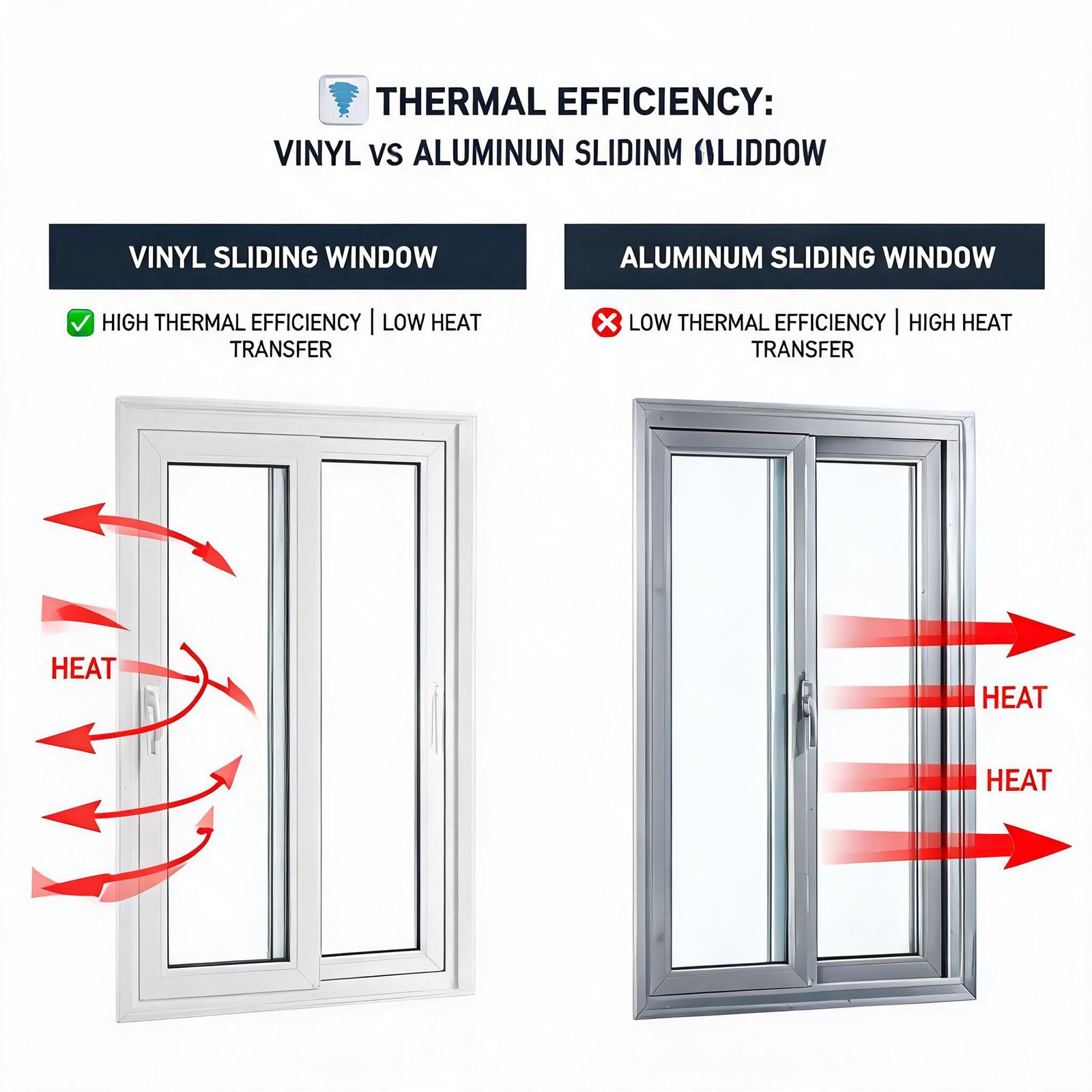
- Heat transfer through the frame, reducing energy efficiency
- Warranty limitations that exclude heat-related damage
These issues are not universal, but they are common enough that any homeowner considering black vinyl windows should ask pointed questions about thermal testing, UV resistance, and warranty coverage before making a purchase.
Making the Right Choice for Your Home
The black window trend is not going away, and for good reason. Black frames add drama, sophistication, and a contemporary edge to any architectural style. But the material behind that black finish determines whether your windows will look stunning for decades or become a source of frustration within a few years.
If your budget allows, invest in a high-performance composite material like Fibrex®. If you must choose vinyl, select a premium product from a reputable manufacturer, limit installation to shaded exposures, and accept that some color change over time is inevitable. For those considering alternatives, do black vinyl windows cost more than composite options? The answer depends on whether you calculate upfront cost or total cost of ownership.
The best black windows are the ones that stay black, stay square, and stay energy-efficient for the life of your home. Choose your material wisely, and you’ll enjoy that striking aesthetic without the hidden compromises.
Frequently Asked Questions
Do black vinyl windows fade in the sun?
Yes, black vinyl windows can fade over time. UV radiation degrades the polymer structure of vinyl, causing the black color to shift toward gray or develop a chalky appearance. The rate of fading depends on sun exposure, vinyl quality, and whether UV inhibitors are included in the formulation. Premium vinyl products with UV stabilizers fade more slowly, but some color change is inevitable over five to ten years.
Can you paint existing vinyl windows black?
Technically yes, but it carries significant risks. Black paint absorbs more heat than lighter colors, which can cause vinyl frames to warp or buckle. Painting also voids most manufacturer warranties. If you must paint, use a bonding primer and exterior acrylic paint formulated for vinyl, and accept that repainting will be needed every three to five years.
Are black windows more expensive than white?
Yes, black windows typically cost 10% to 20% more than white windows from the same manufacturer. The price difference reflects specialized pigments, lower production volumes, and sometimes different manufacturing processes. However, the gap between black vinyl and black composite windows is smaller than many homeowners expect.
What is the best material for black windows?
For long-term performance, composite materials like Fibrex® or fiberglass are superior to vinyl. They offer better thermal stability, UV resistance, and structural rigidity. Aluminum-clad wood is another excellent option for traditional homes. Vinyl can work in mild climates or shaded exposures, but it carries higher risk of warping and fading.
How long do black vinyl windows last?
Black vinyl windows typically last 10 to 20 years, depending on climate, sun exposure, and product quality. In hot, sunny climates, the lifespan may be shorter due to thermal degradation and warping. White vinyl windows generally last longer because they absorb less heat. For those researching options, how to paint vinyl windows black is a common question, but painting is rarely a long-term solution.
Do black windows make a house hotter?
Black window frames absorb more solar radiation than lighter frames, which can increase the surface temperature of the frame itself. However, the impact on overall indoor temperature is minimal if the windows have proper thermal breaks and low-E glass. The frame material matters more than the color for energy performance.