Understanding Vinyl Window Frame Construction
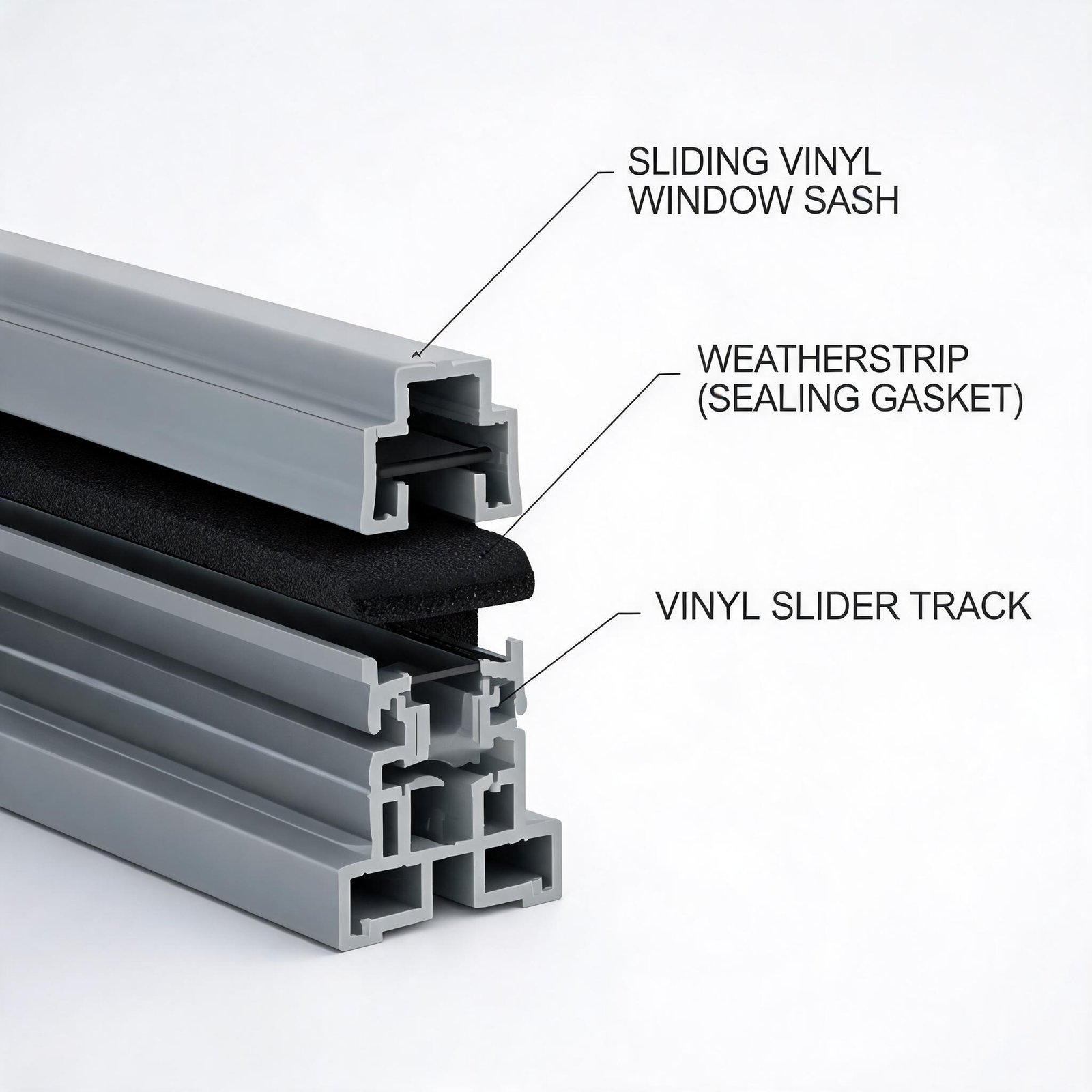
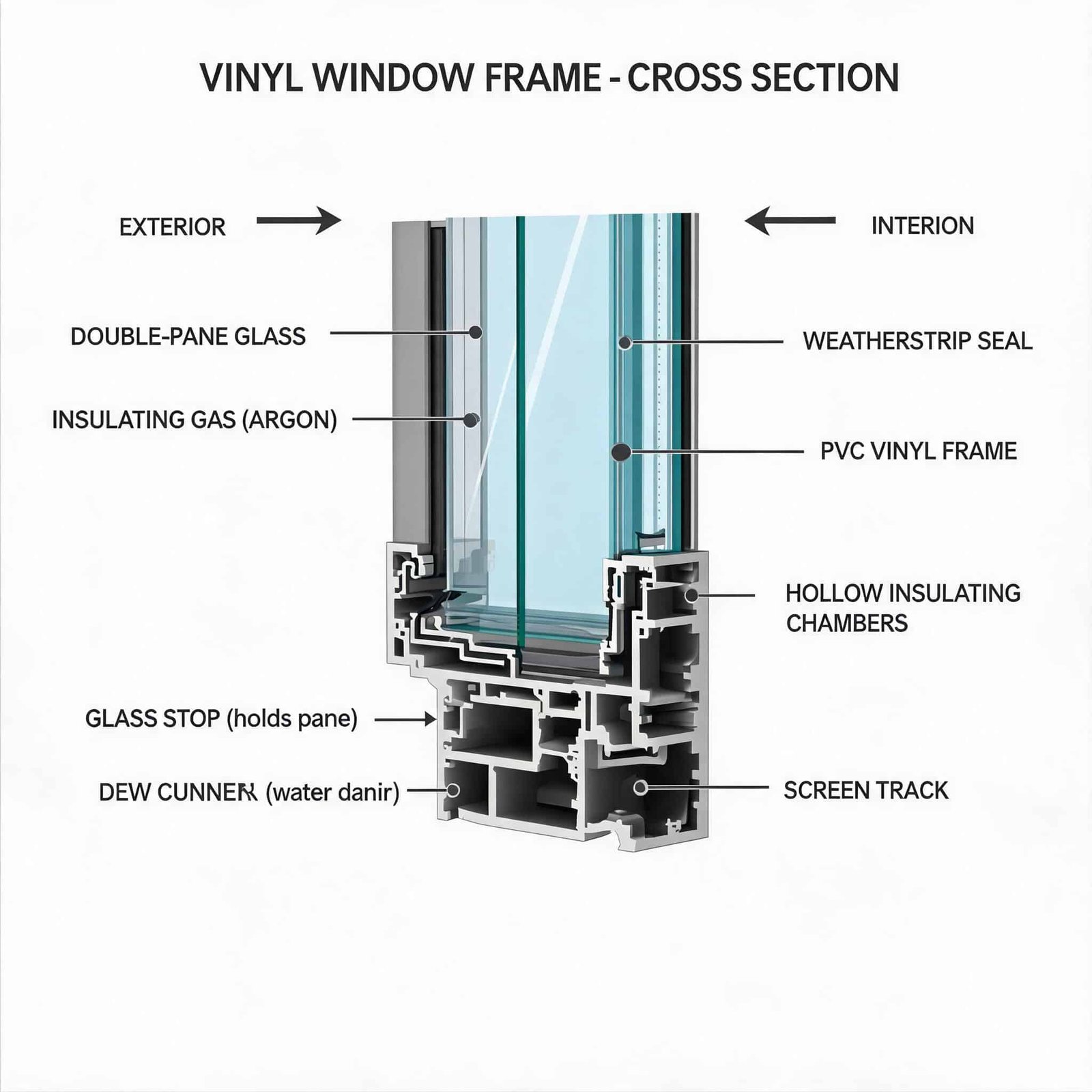
Before diving into repairs, it helps to understand what you’re working with. Vinyl window frames are made from extruded PVC (polyvinyl chloride), often reinforced with internal chambers for strength and insulation. Unlike wood, vinyl doesn’t rot, warp from moisture, or require painting. However, it can become brittle over time, especially when exposed to extreme temperature fluctuations.
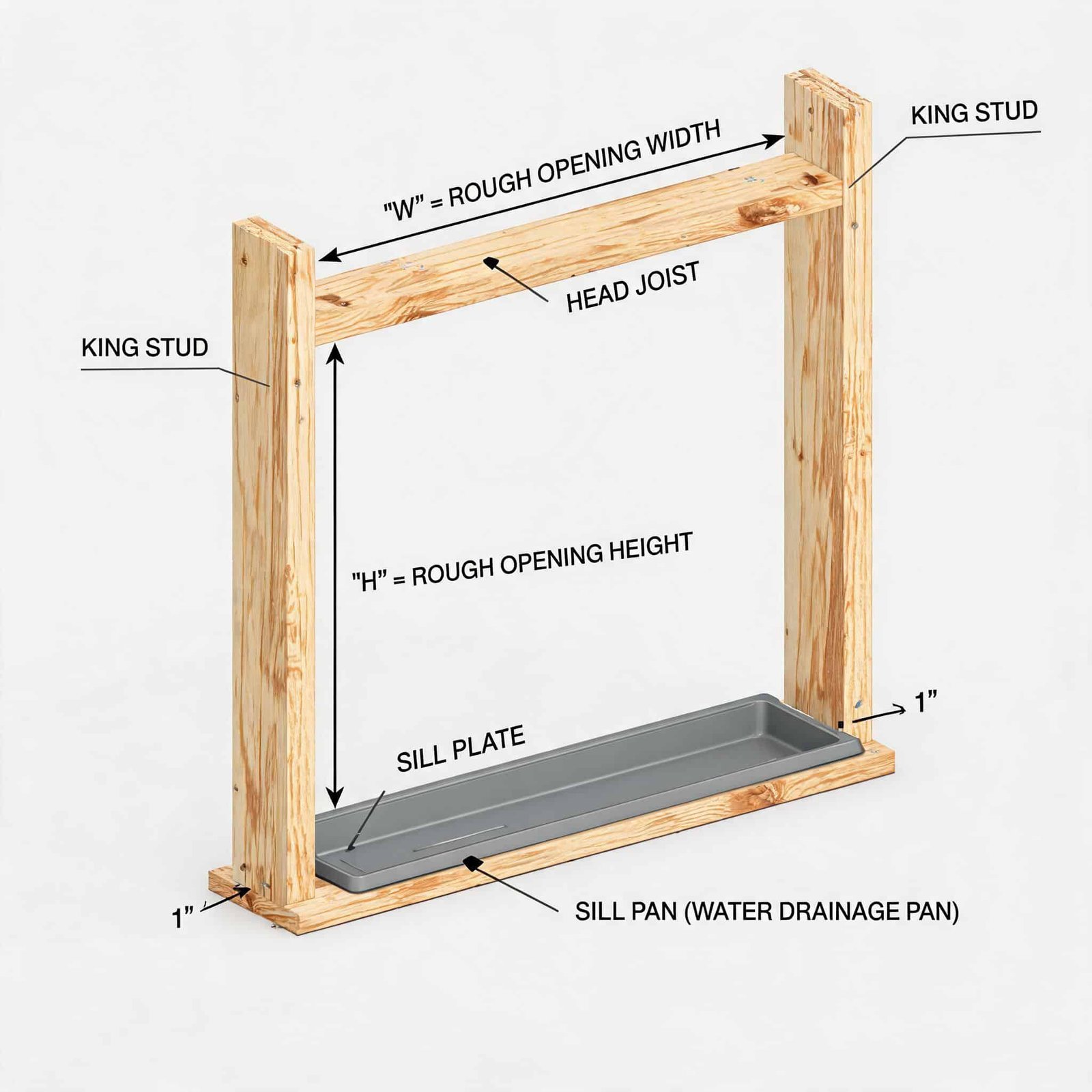
The frame consists of several components: the main frame that attaches to your home’s rough opening, the sash that holds the glass, and various weatherstripping and hardware elements. Knowing which part is damaged is the first step in determining the right repair approach.
Common Causes of Vinyl Window Frame Damage
Understanding what caused the damage helps you prevent future problems and choose the right repair method.
Temperature and Weather Exposure
Vinyl expands and contracts with temperature changes. In regions with harsh winters and hot summers, this constant movement can cause stress cracks, especially at corners where the frame is welded. This is particularly common in older vinyl windows or those that weren’t installed with proper clearance.
Impact Damage
Accidents happen. A baseball, a falling branch, or even a tool dropped during another project can crack or dent a vinyl frame. Small impacts often create surface damage that’s repairable, while larger impacts may compromise the frame’s structural integrity.
UV Degradation
Prolonged exposure to direct sunlight can cause vinyl to become brittle and chalky. While modern vinyl formulations include UV stabilizers, older windows or those facing intense southern exposure may show signs of degradation after 15-20 years.
Improper Installation
Windows installed without proper shimming, leveling, or expansion gaps are prone to binding, cracking, and premature failure. If your window frame is consistently sticking or showing stress marks, installation issues may be the root cause.
How to Fix Vinyl Windows: A Step-by-Step Approach
Let’s get into the practical repair methods. We’ll cover the most common scenarios, from minor cosmetic fixes to more involved structural repairs.
Repairing Small Cracks and Holes
Small cracks under three inches and holes smaller than a quarter can typically be repaired with a vinyl repair kit. Here’s the professional approach:
Step 1: Clean the Area Thoroughly
Use isopropyl alcohol or a mild detergent to remove all dirt, grease, and chalky residue from the damaged area. Let it dry completely. Any contamination will prevent the repair material from bonding properly.
Step 2: Prepare the Surface
Lightly sand the area around the crack with fine-grit sandpaper (220 grit or higher). This creates a mechanical bond for the repair compound. Wipe away dust with a clean cloth.
Step 3: Apply the Repair Compound
Use a two-part epoxy specifically formulated for vinyl or a UV-curable vinyl repair compound. Apply it with a small putty knife, pressing it firmly into the crack or hole. Overfill slightly to allow for sanding.
Step 4: Shape and Smooth
For UV-curable compounds, use a shaping tool or your finger (with gloves) to smooth the repair before curing. For epoxy, let it set partially before shaping.
Step 5: Cure and Finish
Follow the manufacturer’s curing time. Once fully cured, sand the repair flush with the surrounding surface using progressively finer sandpaper. Finish with a vinyl-safe polish or protectant to blend the appearance.
Fixing Warped or Bent Frames
A warped frame is trickier because it often indicates underlying issues. Minor warping can sometimes be addressed, but significant distortion usually requires professional assessment.
For slight warping that’s causing a window to stick, you can try:
- Heat application: Use a heat gun on low setting (or a hair dryer) to gently warm the warped area. Apply light pressure to reshape the vinyl as it cools. This works best on warm days when the vinyl is already somewhat pliable.
- Adjusting hardware: Sometimes the frame isn’t actually warped—the hardware just needs adjustment. Check the sash locks, hinges, and balance mechanisms before assuming frame damage.
- Lubrication: If your window is sticking but not visibly warped, the issue might be friction. Apply a silicone-based lubricant to the tracks and weatherstripping. Never use petroleum-based products, which can degrade vinyl.
Dealing with Broken Seals and Foggy Glass
A broken seal isn’t technically a frame repair, but it’s one of the most common issues homeowners face. When the seal between the glass panes fails, moisture gets in and causes fogging. Unfortunately, this cannot be repaired—the insulated glass unit must be replaced.
Many vinyl windows have removable sash, allowing for glass replacement without replacing the entire frame. If your windows are otherwise in good condition, this is a cost-effective solution.
When to Repair vs. When to Replace
This is the question we hear most often, and the answer depends on several factors.
Repair When:
- The damage is cosmetic (small cracks, scratches, minor dents)
- The window is less than 15 years old
- The frame is structurally sound
- The glass is undamaged
- You can match the color and finish
Replace When:
- The frame is severely warped or rotted
- Multiple windows have failed seals
- The window is over 20 years old
- Energy bills are consistently high
- The damage affects structural integrity
- You want to upgrade to more efficient models
A good rule of thumb: if the repair costs more than half the price of a new window, or if the window is approaching the end of its expected lifespan, replacement is usually the better investment.
Tools and Materials You’ll Need
For most DIY vinyl window repairs, you’ll need:
- Vinyl repair compound (epoxy or UV-curable)
- Fine-grit sandpaper (220, 320, 400 grit)
- Isopropyl alcohol or vinyl cleaner
- Putty knife or applicator
- Heat gun or hair dryer (for warping)
- Silicone-based lubricant
- Safety glasses and gloves
- Razor blade or utility knife
- Vinyl touch-up paint or polish
For more involved repairs, you might also need:
- Replacement weatherstripping
- Sash balance springs
- Window hardware (locks, handles, hinges)
- Insulated glass unit (for seal failures)
Maintenance Tips to Prevent Future Damage
Prevention is always better than repair. Here are professional recommendations for keeping your vinyl windows in top condition:
Regular Cleaning
Clean your window frames at least twice a year with mild soap and water. Avoid abrasive cleaners or scrub brushes that can scratch the surface. Pay special attention to the tracks and weep holes, which must remain clear for proper drainage.
Lubrication Schedule
Apply silicone lubricant to moving parts annually. This includes tracks, hinges, locks, and balance mechanisms. A well-lubricated window operates smoothly and experiences less stress on the frame.
Inspect Weatherstripping
Check weatherstripping annually for wear, cracking, or gaps. Replace as needed to maintain energy efficiency and prevent moisture intrusion.
Address Issues Promptly
Small cracks and minor sticking problems rarely resolve themselves. Addressing them early prevents more extensive damage and keeps repair costs low.
Professional Repair vs. DIY: Making the Right Choice
While many vinyl window repairs are DIY-friendly, some situations genuinely require professional expertise:
- Structural damage that affects the window’s ability to open, close, or seal properly
- Multiple failed seals in a single window or across multiple windows
- Windows that are part of a larger system (like bay or bow windows) where frame integrity is critical
- Warranty-covered issues—attempting DIY repairs can void manufacturer warranties
If you’re unsure about the severity of the damage, it’s worth getting a professional opinion. Many window companies offer free inspections, and the cost of a professional assessment is far less than the cost of a botched repair.
Frequently Asked Questions
Q: Can I paint my vinyl window frames?
A: Painting vinyl is possible but not recommended by most manufacturers. Vinyl expands and contracts more than paint, leading to peeling and cracking. If you must paint, use a flexible acrylic paint specifically formulated for vinyl, and expect to repaint every few years.
Q: How long do vinyl windows typically last?
A: Quality vinyl windows have an expected lifespan of 20 to 40 years, depending on climate, installation quality, and maintenance. The frame itself can last longer, but seals and hardware may need replacement sooner.
Q: What to do when a vinyl window sticks?
A: Start by cleaning the tracks thoroughly, then apply silicone lubricant. If sticking persists, check for warping or misalignment. Minor warping can sometimes be corrected with gentle heat application, but persistent sticking may indicate installation issues.
Q: Is it safe to repair a vinyl window frame myself?
A: Small cosmetic repairs are safe for most homeowners. However, any repair involving glass removal, structural components, or working at height should be left to professionals. Always wear safety glasses and gloves when working with repair compounds and tools.
Q: How much does professional vinyl window repair cost?
A: Simple crack repairs typically cost $100 to $200. More complex repairs, like sash replacement or seal repair, range from $200 to $500. Full window replacement averages $500 to $1,500 per window, installed.
Q: Can I replace just the glass in a vinyl window frame?
A: Yes, in most cases. Many vinyl windows have removable stops that allow glass replacement without removing the entire frame. This is often the most cost-effective solution for broken seals or cracked glass.
Final Thoughts
Knowing how to repair a vinyl window frame is a valuable skill for any homeowner. While many repairs are straightforward, understanding your window’s limitations and knowing when to call a professional will save you time, money, and frustration in the long run.
Remember that proper maintenance and prompt attention to minor issues are the best ways to extend the life of your windows. If you’re considering upgrades or replacements, explore modern how to fix vinyl windows options that offer improved energy efficiency and durability. And for those looking to understand the full range of frame materials available, our guide on how to repair vinyl windows covers everything from basic fixes to complete frame restoration.
Your windows are an investment in your home’s comfort, energy efficiency, and value. Treat them with care, and they’ll serve you well for decades to come.