Why Proper Cleaning Plays a Key Role in Window Longevity
Many people assume vinyl windows are “maintenance‑free.” That’s only half true. They won’t rot, rust, or require painting, but they do collect atmospheric grime, pollen, hard‑water spots, and oily film. Left untouched, that buildup can trap moisture against the frame, eventually dulling the color and making the surface feel chalky. Worse, when you finally scrub with the wrong product, you might accidentally create micro‑abrasions that hold dirt even tighter.
The good news: when you clean with the right technique, you’re not just removing dirt—you’re actively protecting the titanium dioxide and impact modifiers blended into the vinyl compound. These ingredients resist UV yellowing and brittleness, but they perform best when the surface stays free of acidic or abrasive contaminants. In other words, a gentle, regular cleaning routine directly extends the functional life of your windows, often beyond the 20‑ to 40‑year lifespan that quality vinyl already offers.
Many homeowners find that once they master the basic approach, it easily scales across all their specialty vinyl windows—from a four‑season sunroom enclosure to a set of Eze‑Breeze panels on a porch. Even the question of how do you clean vinyl sunroom windows gets a straightforward answer: you follow the same chemical‑safe, low‑abrasion method while paying extra attention to drainage tracks and overhead angles.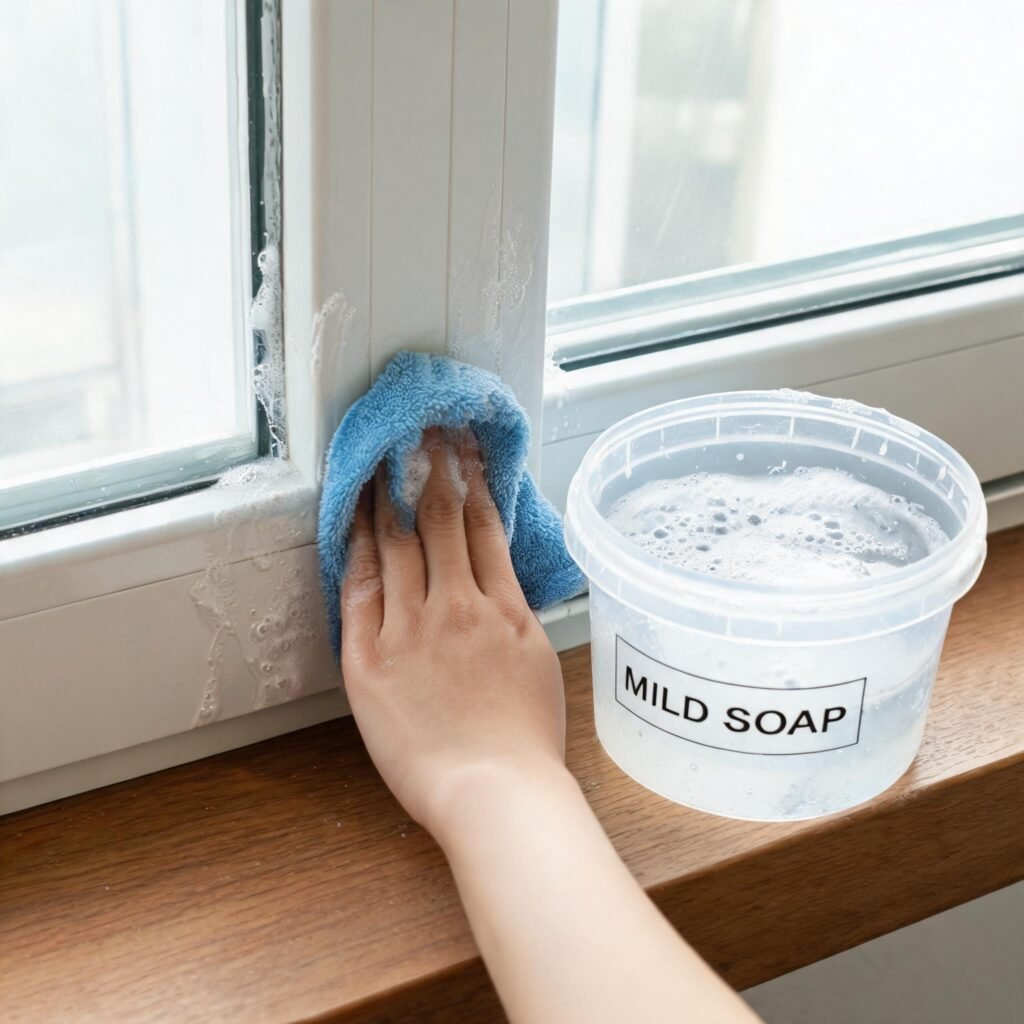
Everything You’ll Need Before You Start
Gathering the right supplies beforehand prevents the temptation to grab whatever’s under the kitchen sink—which is when damage happens. Keep this checklist handy:
- Two or three clean microfiber cloths (one for washing, one for drying, one for tracks)
- A soft, non‑abrasive sponge or a lambswool‑style washing mitt
- A 5‑gallon bucket
- Mild liquid dish soap (the kind without bleach or antibacterial additives; a basic “free & clear” formula is ideal)
- Distilled white vinegar (5% acidity)
- A spray bottle for the vinegar solution
- A soft‑bristled brush (like a grout brush or an old toothbrush) for tracks and weep holes
- A squeegee with a clean rubber blade
- A lint‑free towel for final buffing
- Optional: a vacuum with a brush attachment for removing loose debris from tracks
Avoid anything rough: no paper towels (they can leave micro‑scratches), no magic erasers, no scouring powders, and absolutely no abrasive pads.
Step‑by‑Step Cleaning Process for Specialty Vinyl Windows
This sequence assumes you’re cleaning both the frame and the glass or acrylic glazing. Adjust the order if your windows are fixed, casement, or sliding—always start from the top and work down.
1. Remove Loose Dust and Dry Debris First
Before any liquid touches the vinyl, dry‑clean the entire window area. Use the vacuum’s brush attachment to pull dust out of corners and along the sill track. For upper frames, a dry microfiber cloth or a feather‑duster works. This step prevents you from rubbing gritty particles into the vinyl surface when you start washing, which is the number one cause of swirl marks on dark‑colored frames.
2. Mix a Gentle Cleaning Solution
Fill your bucket with lukewarm water and add just a few drops of mild dish soap—no more than a teaspoon per gallon. Suds are not your friend here; you want a solution that lifts oil and dirt without leaving a slippery film. If your water is particularly hard, consider using distilled water for the final rinse to avoid mineral spotting.
3. Wash Frames and Sashes with a Soft Cloth
Dip the microfiber cloth or soft sponge into the soapy water and wring it out well. The cloth should be damp, not dripping. Work on one small section of the vinyl frame at a time, using light, circular motions. Pay special attention to areas where the frame meets the glass, as that’s where sticky sap and insect residue collect. For Eze‑Breeze‑style vinyl glazing, which is a flexible clear vinyl sheet rather than glass, use an even lighter touch—never scrub, just glide. This is a perfect moment to apply insights on how to clean eze breeze vinyl windows without causing the vinyl to cloud or stretch.
4. Tackle Stubborn Stains with White Vinegar
If soap and water don’t remove hard‑water spots or a slight mildew shadow, white vinegar is your safe, effective booster. Fill a spray bottle with a 1‑part vinegar to 1‑part water mixture. Spray it directly onto the affected area—never onto a dry, hot frame in direct sunlight—and let it sit for 60 to 90 seconds. Then gently agitate with a soft cloth. Vinegar’s mild acidity breaks down mineral deposits and kills mold spores without attacking the vinyl polymer structure, unlike bleach or ammonia‑based cleaners.
5. Rinse Thoroughly Without Soaking
Use a separate clean, damp cloth and plain water to wipe away all soap or vinegar residue. Don’t pour water directly onto the frame or allow liquid to pool in the tracks; excess moisture can migrate into screw holes or weep‑hole cavities and, over time, promote mold inside the frame chambers. A damp‑clay wiping method is far safer.
6. Dry and Buff to Prevent Water Spots
Immediately after rinsing, dry every surface with a fresh, dry microfiber cloth. For glass or rigid glazing, a squeegee is the fastest way to a streak‑free finish—pull the blade from top to bottom, wiping the blade edge after each pass. Finish by buffing the dry frame with a lint‑free towel. This final polish not only brings out the vinyl’s original luster but also lets you spot any missed smudges.
Deep‑Cleaning the Often‑Ignored Tracks and Weep Holes
Dirt trapped in the sill track doesn’t just look bad; it can block the small weep holes designed to drain rainwater. When those holes clog, water sits against the frame and can eventually seep inside. Take a few extra minutes:
- Vacuum loose debris from the track.
- Dip a soft‑bristled brush in the mild soap solution and scrub the track channels.
- For weep holes, gently clear them with a small bottle brush or a pipe cleaner. Never use sharp metal objects; they can enlarge the hole or scratch the vinyl.
- Rinse the track with a damp cloth and immediately blot dry.
This step is especially critical for sunroom windows that sit near the roofline and collect falling leaves and pollen. When someone asks, “how do you clean vinyl sunroom windows effectively?” the answer always includes track maintenance, because overlooking it leads to operational stiffness and water intrusion.
Common Mistakes That Can Permanently Damage Vinyl
Through years of warranty inspections, I’ve cataloged the same errors again and again. Avoid these at all costs:
- Abrasive cleaners and scrub pads – even “soft” scouring creams leave hairline scratches that trap future dirt.
- Ammonia‑based glass cleaners – they can discolor vinyl over time and cause a cloudy, chalky surface.
- Bleach solutions – bleach oxidizes the vinyl surface, leading to yellowing and brittleness.
- Pressure washing – the high‑pressure stream forces water past seals and can gouge soft vinyl.
- Cleaning in direct sunlight – hot frames dry cleaning solutions too quickly, leaving chemical residues and streaks.
- Using paper towels or newspapers – both contain wood fibers that lightly abrade the vinyl and glass.
Pro Maintenance Tips for Long‑Term Clarity
Once your windows are sparking clean, a few habits will keep them that way with minimal effort:
- Clean seasonally. Four times a year is ideal; at minimum, do a thorough cleaning in spring and fall.
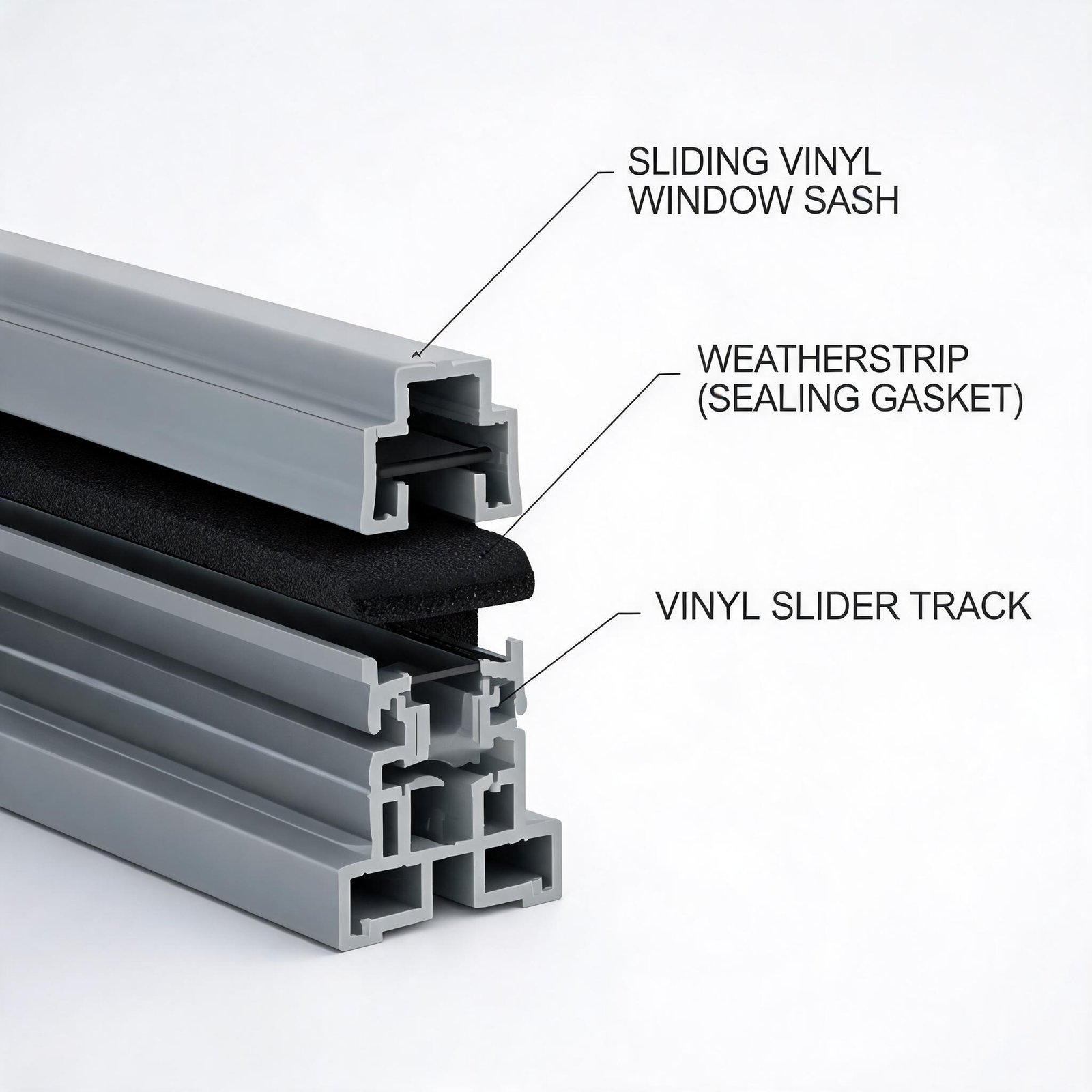
- Inspect weatherstripping and seals while cleaning. If you notice cracks or gaps, address them quickly to prevent moisture entry.
- Lubricate sliding tracks with a dry silicone spray after cleaning (never oil‑based products that attract dirt).
- Keep surrounding vegetation trimmed. Pollen and sticky sap from overhanging branches accelerate frame soiling.
- When in doubt, test cleaners. Apply any new product to a hidden area of the frame first, wait 24 hours, and check for discoloration.
If you’ve inherited an older sunroom and aren’t sure whether the vinyl is still performing like it should, you might find that expert advice on how do you clean vinyl sunroom windows applies equally to evaluating whether the frames themselves are worth restoring or if an upgrade makes more sense. Sometimes a deep clean reveals underlying sun damage that no amount of washing can fix.
For those with flexible‑panel systems, learning how to clean eze breeze vinyl windows with a non‑abrasive method and a UV‑protective polish can double the clear‑vinyl lifespan and maintain that “barely‑there” view.
When a Professional Should Step In
Even a flawless cleaning routine can’t reverse seal failure or warped frames. If you notice persistent fog between glass panes, visible cracks in the vinyl corners, or a frame that no longer closes squarely, cleaning can actually worsen the situation by introducing moisture into damaged areas. At that stage, a professional evaluation—and possibly replacement with high‑performance, energy‑efficient units—saves you from higher energy bills and bigger repairs later.
Frequently Asked Questions
Can I use a magic eraser on vinyl window frames?
No. Magic erasers are essentially ultra‑fine sandpaper. They will remove the top protective sheen from the vinyl and create a rougher surface that soils faster. Stick with microfiber and mild detergents.
What’s the safest DIY cleaner for vinyl windows?
A solution of warm water with a few drops of mild, bleach‑free dish soap handles 90% of dirt. For mineral buildup, a 1:1 white vinegar and water mix is both safe and highly effective.
How do I remove tree sap from vinyl frames without damaging them?
Dab the sap with a small amount of isopropyl alcohol on a cotton ball—never pour it directly. Wipe gently until the sap dissolves, then immediately wash the area with soapy water to remove any alcohol residue. Avoid products containing acetone or paint thinner.
Is it okay to use a pressure washer on a sunroom’s exterior vinyl?
Absolutely not. Even on the lowest setting, pressure washers can drive water past seals, dent the vinyl surface, and strip the factory‑applied UV inhibitors from the top layer. Hand‑washing with a hose‑fed brush is much safer.
Why do my vinyl windows look cloudy even after cleaning?
Cloudiness on the frame itself often indicates oxidation triggered by harsh cleaners or prolonged UV exposure without proper maintenance. If the cloudiness is between sealed glass panes, you have a seal failure and will need a professional assessment.
How often should specialty vinyl windows be deep‑cleaned?
Target a full cleaning—frames, glass, tracks, weep holes—every three months. In high‑pollen areas or coastal zones with salt spray, a quick monthly wash will keep the vinyl surface in prime condition.