Understanding the Core Differences in Window Frame Materials
Before diving into specific materials, it’s essential to understand what makes a window frame perform well. The frame isn’t just a decorative border—it’s a structural component that must handle thermal expansion, moisture exposure, wind loads, and daily operation. Each material brings distinct physical properties that affect everything from insulation values to how the window feels when you open it.
The Thermal Performance Factor
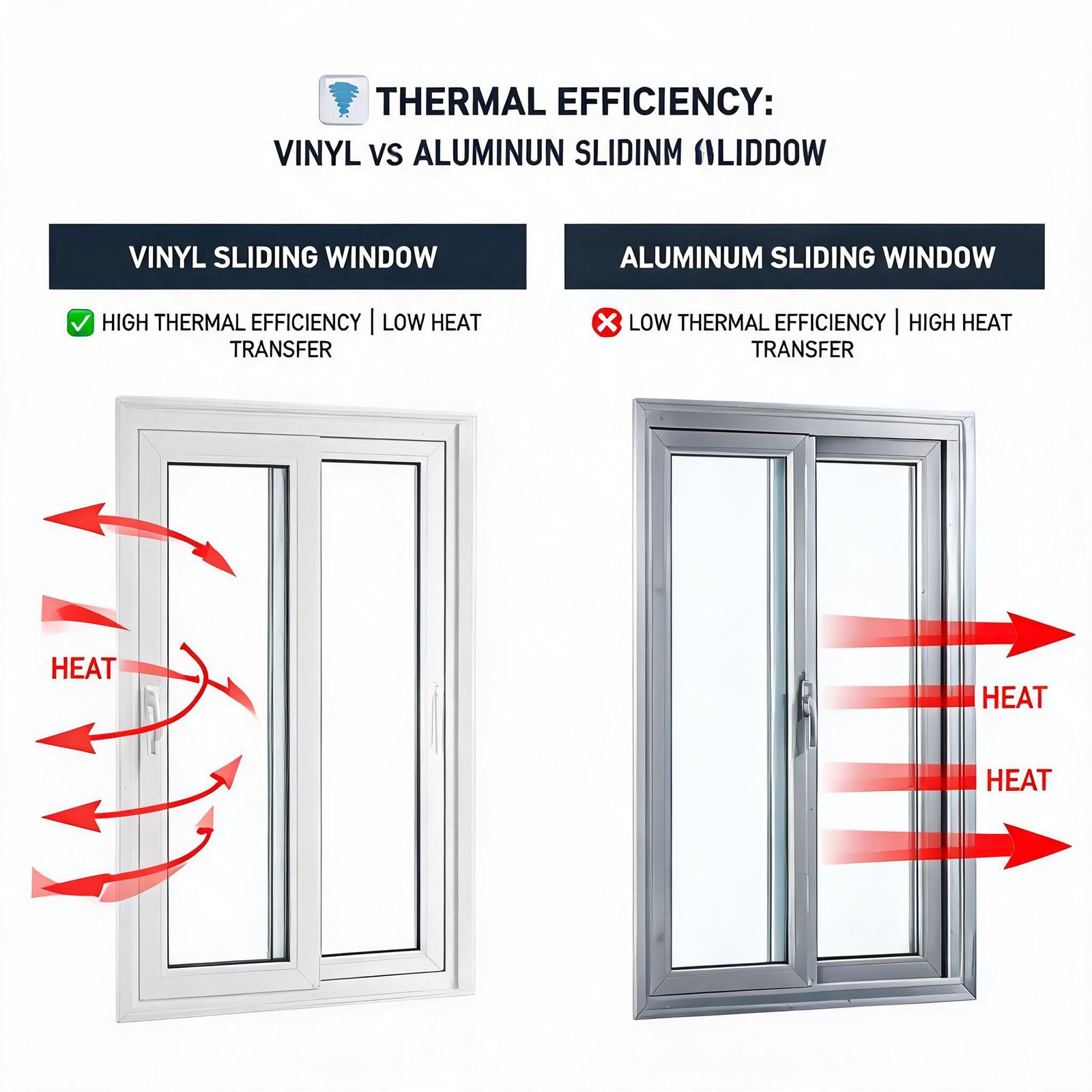
The most overlooked aspect of window material selection is thermal bridging. Aluminum, for instance, conducts heat and cold rapidly. Without thermal breaks—specialized plastic inserts placed between interior and exterior aluminum sections—an aluminum frame becomes a highway for heat loss. Vinyl naturally resists thermal transfer because PVC is a poor conductor. Wood offers excellent natural insulation but requires proper sealing to prevent moisture absorption that degrades its R-value over time.
Structural Integrity and Frame Thickness
Many homeowners assume thicker frames mean better windows. That’s not always true. A well-engineered vinyl window with multi-chambered internal structures can outperform a solid wood frame in both insulation and structural rigidity. The key lies in how the material is fabricated, not just what it’s made from.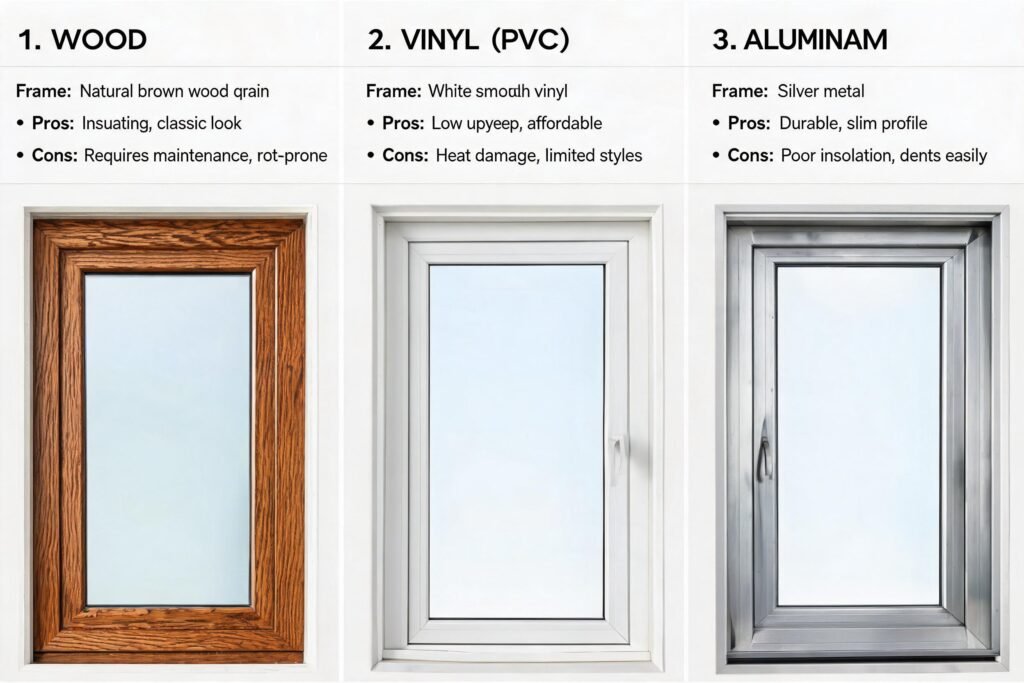
Vinyl Windows: The Modern Workhorse
Vinyl has dominated the replacement window market for good reason. As a manufacturer, I’ve watched PVC window technology evolve dramatically over the past two decades. Today’s vinyl windows bear little resemblance to the brittle, fading frames of the 1990s.
Material Composition and Manufacturing Advances
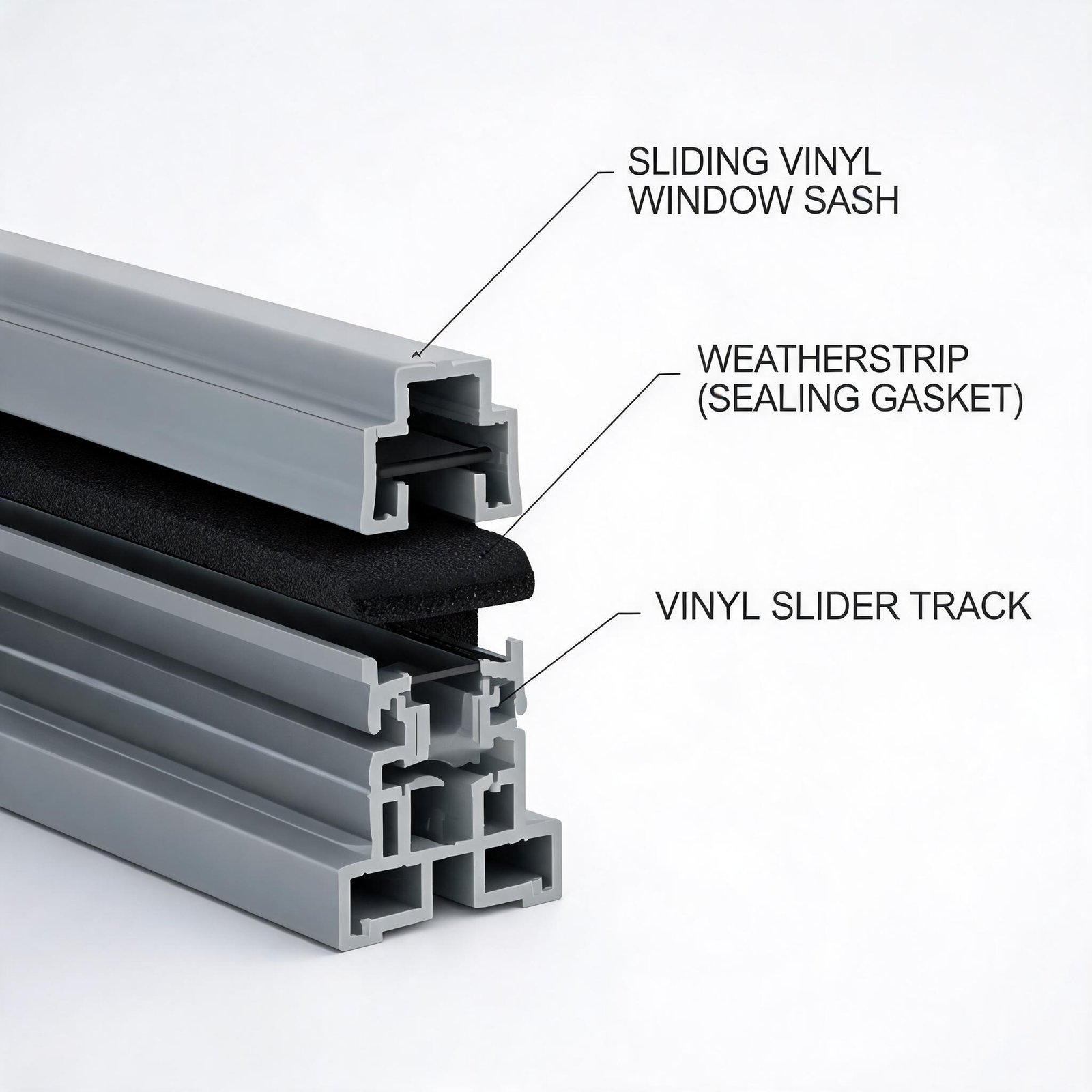
Modern vinyl windows use impact-modified PVC compounds with UV stabilizers and titanium dioxide. This combination prevents yellowing, resists impact damage, and maintains flexibility even in freezing temperatures. The extrusion process allows for multi-chambered profiles—essentially creating internal air pockets that act as natural insulation barriers. Premium vinyl windows now achieve U-factors below 0.30, rivaling many fiberglass and wood options.
Real-World Durability Considerations
Vinyl’s greatest strength is also its subtle weakness: it expands and contracts with temperature changes. In regions with extreme temperature swings—think Montana winters to Arizona summers—proper installation becomes critical. Frames need adequate clearance and flexible sealants to accommodate movement. When installed correctly, vinyl windows easily last 25 to 35 years with nothing more than occasional cleaning.
Cost Efficiency Without Sacrificing Quality
For budget-conscious homeowners, vinyl delivers the best value proposition. You’re not paying for premium materials, but you’re also not sacrificing performance. The key is avoiding bargain-bin products. Look for windows with welded corners (not mechanically fastened), at least five internal chambers, and double or triple glazing with low-E coatings. These features separate a 15-year window from a 35-year investment.
If you’re exploring cost-effective options that still deliver strong thermal performance, consider are wood windows better than vinyl to understand how modern PVC frames compare to traditional timber in long-term value.
Wood Windows: Timeless Beauty with Real Trade-offs
There’s something irreplaceable about the warmth and character of real wood windows. I’ve installed them in historic districts where vinyl would be architecturally inappropriate, and the results are stunning. But wood windows demand respect—and maintenance.
Species Selection Matters More Than You Think
Not all wood windows are created equal. Pine is common in budget-friendly options but requires diligent painting and sealing. Mahogany and cedar offer natural rot resistance but come at a premium. Oak provides exceptional hardness but expands significantly with humidity changes. The best wood windows use engineered wood products like laminated veneer lumber (LVL) or finger-jointed pine, which minimize warping and splitting while maintaining that authentic wood appearance.
The Hidden Cost of Wood Window Ownership
Here’s what most articles won’t tell you: wood windows require repainting or refinishing every 3 to 5 years, depending on sun exposure and climate. In humid environments, even well-sealed wood can develop rot at sill joints and corner connections. The initial beauty comes with a long-term maintenance contract. For homeowners willing to invest that time and money, wood windows can last 50 years or more with proper care. For everyone else, the lifecycle cost often exceeds premium vinyl or aluminum options.
When Wood Windows Are the Only Choice
Certain architectural styles simply demand wood. Craftsman bungalows, colonial revivals, and Victorian homes lose authenticity with synthetic materials. In these cases, wood windows aren’t just a preference—they’re a preservation requirement. Modern wood windows with aluminum cladding on the exterior offer a compromise: wood interiors for aesthetics, aluminum exteriors for weather resistance. This hybrid approach solves many maintenance issues while preserving the interior look.
Aluminum Windows: Strength Meets Modern Design
Aluminum windows have undergone a renaissance. Once dismissed as cold, drafty, and prone to condensation, modern aluminum frames with thermal break technology have transformed into high-performance architectural elements.
Thermal Break Technology Explained
The game-changer for aluminum windows is the polyamide thermal break. This plastic strip separates the interior and exterior aluminum sections, dramatically reducing thermal transfer. Without it, aluminum frames feel ice-cold in winter and scorching in summer. With a quality thermal break, aluminum windows achieve U-factors comparable to vinyl—typically 0.35 to 0.45 depending on glazing.
Structural Advantages for Large Openings
Aluminum’s strength-to-weight ratio is unmatched. For oversized windows, sliding glass doors, or custom geometric shapes, aluminum is often the only practical choice. Vinyl frames become too bulky at large spans, and wood frames require excessive thickness to maintain rigidity. Aluminum allows slim sightlines—the visible frame width—which is why you see it in modern architecture with floor-to-ceiling glass.
Corrosion Resistance in Coastal Environments
If you live within 10 miles of saltwater, aluminum is your best friend. Unlike vinyl, which can become brittle with UV exposure, or wood, which rots in salt-laden air, aluminum naturally resists corrosion. Properly finished aluminum windows with marine-grade coatings withstand coastal conditions for decades. This makes them the default choice for beach houses, lakeside properties, and high-humidity regions.
For those weighing modern frame options in challenging climates, exploring are aluminum or vinyl windows better can clarify which material handles your specific environmental conditions more effectively.
Energy Efficiency: Breaking Down the Numbers
Energy performance isn’t just about frame material—it’s about the complete window system. The frame, glazing, spacers, and installation all contribute to overall efficiency.
U-Factor and Solar Heat Gain Coefficient
The U-factor measures how well a window prevents heat from escaping. Lower numbers mean better insulation. Vinyl and wood typically achieve U-factors between 0.25 and 0.35. Thermally broken aluminum ranges from 0.35 to 0.45. The Solar Heat Gain Coefficient (SHGC) measures how much solar radiation passes through. In cold climates, you want higher SHGC to capture free solar heat. In hot climates, lower SHGC reduces cooling loads.
Glazing Options That Change Everything
Triple glazing with two low-E coatings and argon gas fill can make any frame perform exceptionally well. I’ve seen vinyl windows with triple glazing achieve U-factors below 0.20—better than many walls. The frame material becomes less critical when the glazing is optimized. However, triple glazing adds weight and cost. Aluminum frames handle the extra weight better than vinyl, which may require reinforcement for triple-pane configurations.
Air Infiltration: The Silent Energy Killer
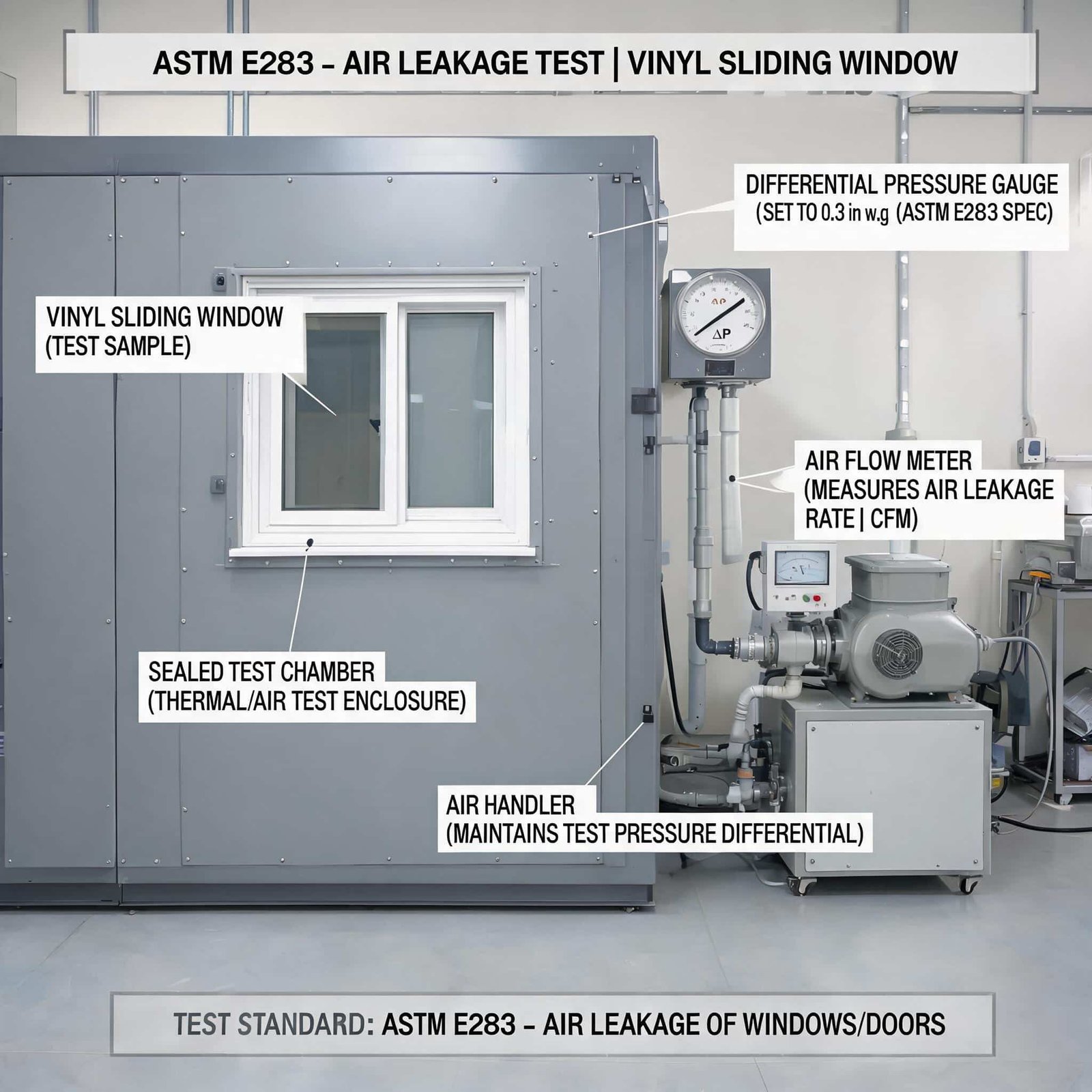
Even the best frame material fails if the window isn’t properly sealed. Air infiltration rates—measured in cubic feet per minute per linear foot of crack—vary dramatically between manufacturers. Look for windows certified to meet or exceed 0.30 CFM per square foot. This standard ensures the window seals tightly when closed, preventing drafts that undermine insulation.
Making the Right Choice for Your Specific Situation
After evaluating thousands of windows across every climate zone in North America, I’ve developed a simple framework for matching material to application.
Climate-Based Recommendations
- Cold climates (Zone 5 and above): Vinyl or wood with triple glazing. Aluminum only with premium thermal breaks and warm-edge spacers.
- Hot climates (Zone 1-3): Vinyl with reflective low-E coatings. Aluminum with solar-control glazing. Wood requires careful sealing against humidity.
- Coastal regions: Aluminum with marine-grade finish. Vinyl with UV-stabilized compounds. Wood is generally not recommended unless aluminum-clad.
- Mixed climates: Vinyl offers the best all-around performance. Wood works well with proper maintenance schedules.
Architectural Style Considerations
- Modern/Contemporary: Aluminum or vinyl with slim profiles and clean lines.
- Traditional/Historic: Wood or wood-clad options for authenticity.
- Transitional: Vinyl with wood-grain finishes or aluminum-clad wood.
- Rustic/Cabin: Wood with natural finishes, preferably cedar or mahogany.
Budget Realities and Long-Term Value
Vinyl windows typically cost $300 to $700 per window installed. Wood ranges from $600 to $1,500. Aluminum falls between $400 and $900. But installation costs vary significantly based on opening size, accessibility, and whether you’re replacing existing windows or installing in new construction.
The real cost calculation should include maintenance. Over 30 years, a vinyl window requiring no painting or sealing will cost less than a wood window that needs refinishing every five years, even if the wood window was cheaper initially.
Installation: Where Most Window Failures Begin
I cannot emphasize this enough: the best window material in the world performs poorly if installation is sloppy. Water intrusion, air leakage, and operational problems almost always trace back to installation errors.
Proper Flashing and Sealing
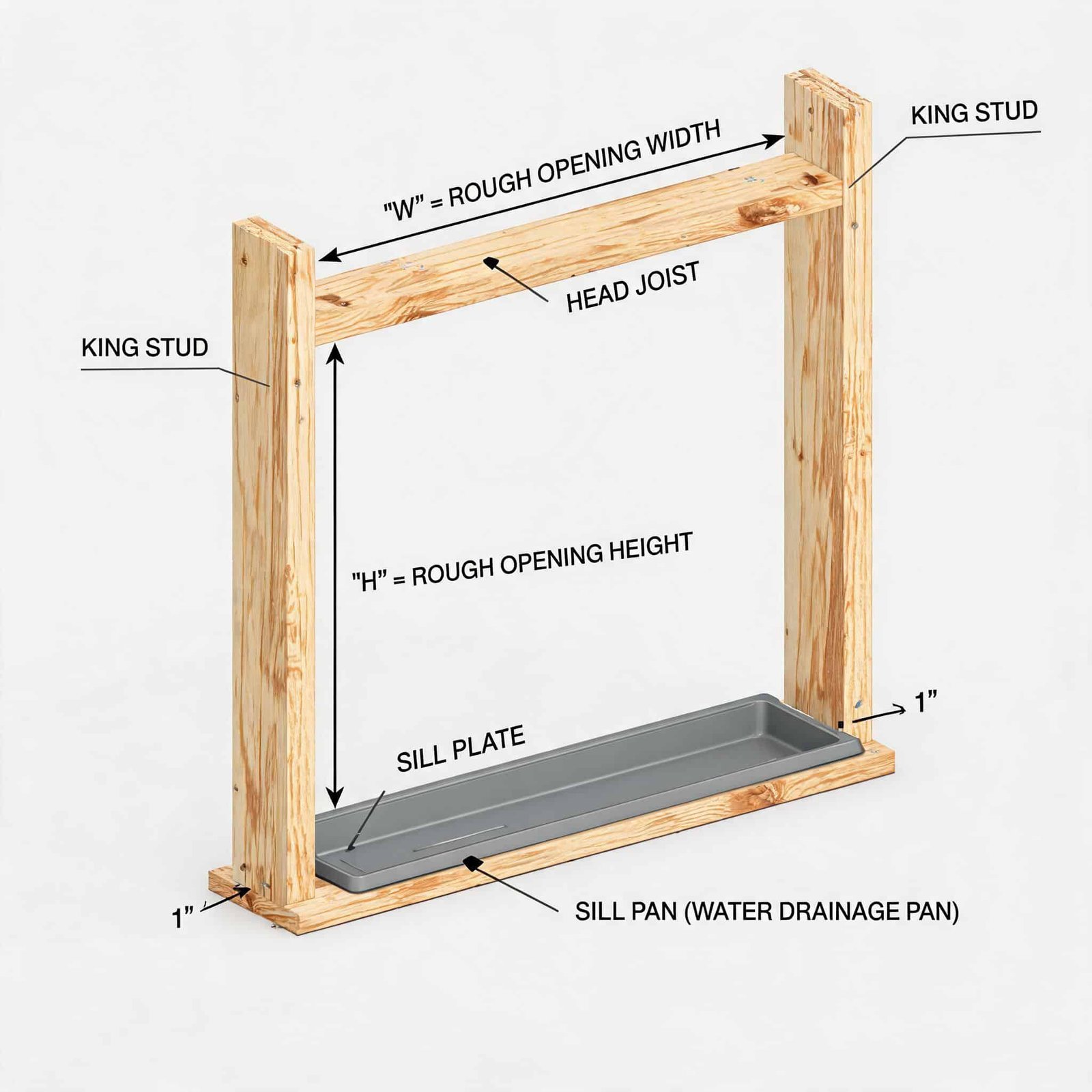
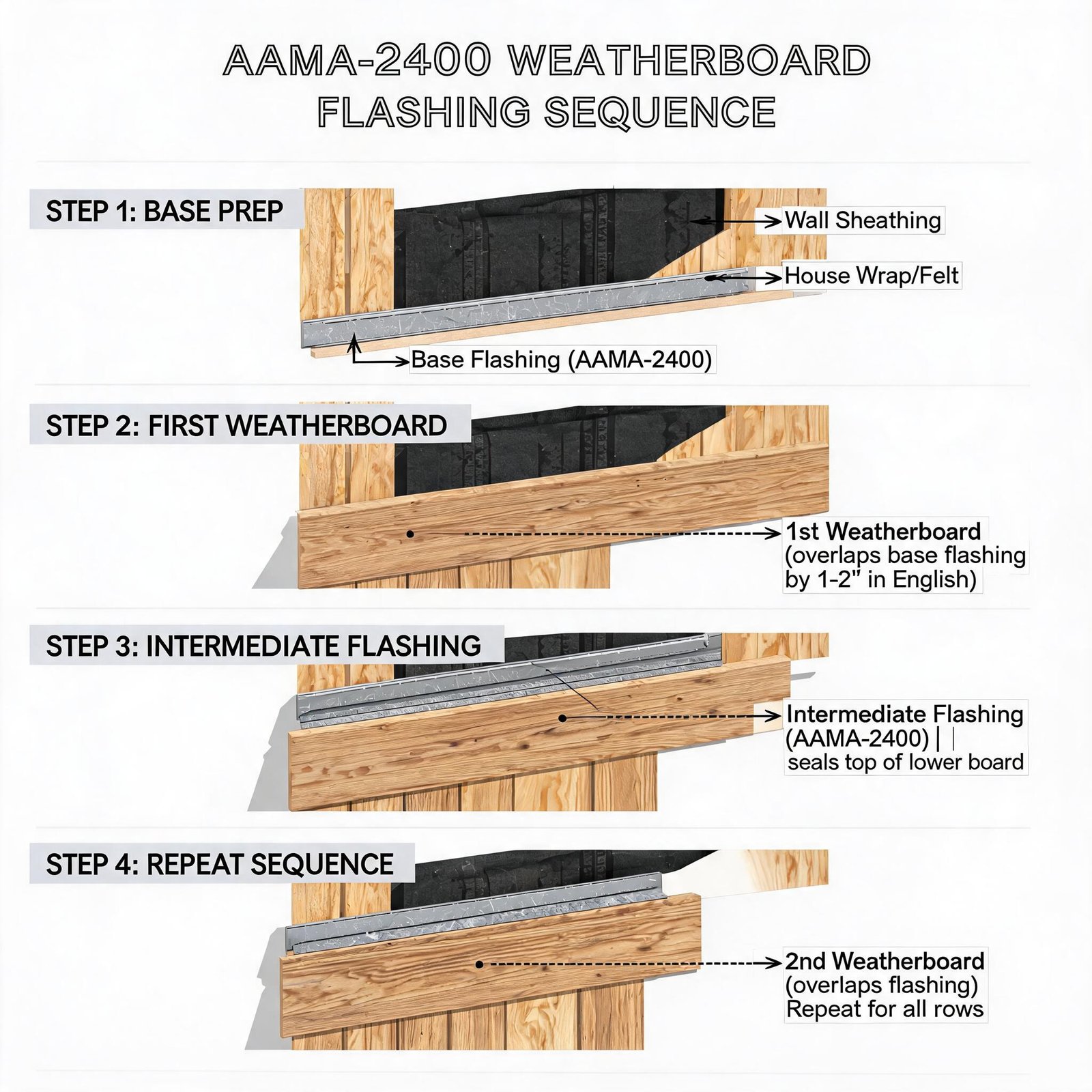
Every window needs a continuous water barrier around the opening. This means proper flashing tape at the sill, jambs, and head. The window should be shimmed level and plumb, then insulated with low-expansion foam around the perimeter. Never use high-expansion foam—it can bow the frame and cause operational issues.
Structural Support for Heavy Windows
Wood and triple-glazed vinyl windows are heavy. The rough opening must be structurally adequate to support the weight. In retrofits, this sometimes means adding blocking or reinforcing the framing. Aluminum windows are lighter but still require proper support to prevent sagging over time.
Frequently Asked Questions
How long do vinyl windows typically last compared to wood and aluminum?
Vinyl windows average 25 to 35 years with minimal maintenance. Wood windows can last 50 years or more but require repainting every 3 to 5 years and careful moisture management. Aluminum windows with proper finishes last 30 to 45 years, though thermal breaks may degrade over time in extreme temperature cycles.
Can vinyl windows be painted if I change my color scheme?
Most vinyl windows cannot be painted successfully. The paint doesn’t bond well to PVC and will peel within a year or two. If color flexibility matters, choose wood or aluminum-clad windows. Some manufacturers offer vinyl with replaceable color caps or factory-applied finishes that resist fading.
Are aluminum windows noisy in rain or wind?
Modern aluminum windows with proper weatherstripping and thermal breaks are not significantly noisier than vinyl or wood. The frame material has minimal impact on sound transmission compared to glazing thickness and glass type. Laminated or acoustic glass makes a much bigger difference than frame material.
Which material is most environmentally sustainable?
Wood is the most renewable option when sourced from certified sustainable forests. Vinyl is petroleum-based but highly recyclable at end of life. Aluminum is infinitely recyclable and uses only 5% of the energy required for primary production when recycled. All three materials have environmental trade-offs depending on manufacturing processes and transportation distances.
Do I need different window materials for different rooms in the same house?
Not necessarily, but it’s common to use different materials for different applications. For example, aluminum might work best for large patio doors, while vinyl suits standard bedroom windows. The key is maintaining consistent exterior aesthetics. Many homeowners choose aluminum-clad wood for the front of the house and vinyl for less visible areas to balance cost and appearance.