If you’re standing in front of a drafty window with a fogged-up glass pane, you’re probably asking yourself one simple question: how often do vinyl windows need to be replaced? It’s a fair concern. Windows aren’t something most homeowners think about until a problem forces the issue. As a manufacturer who has spent decades studying how vinyl window systems perform in real-world conditions—from coastal salt air to subzero winters—I can tell you the answer is never a single number. It’s a story about materials, installation, climate, and maintenance. Most quality vinyl windows last 20 to 30 years, and many push past the 30-year mark with proper care. But the smartest question isn’t just “how long.” It’s “when do I know it’s time?” This guide will give you the full picture, with details most retail articles skip.
The Real-World Lifespan of a Vinyl Window
Vinyl windows are built to be workhorses. The uPVC (unplasticized polyvinyl chloride) used in premium frames resists rot, insects, and moisture in ways that wood simply can’t match. In laboratory accelerated-aging tests, high-grade uPVC profiles show minimal degradation after the equivalent of 40 years of sun exposure. On paper, that sounds eternal. In practice, though, a window’s lifespan isn’t determined by the frame alone. The insulating glass unit, weatherstripping, hardware, and installation all share the aging process. When someone asks me how long do vinyl windows last, I tell them to think in systems: a well-manufactured unit, properly installed, should deliver 25 to 30 years of reliable service before enough small failures pile up to warrant a full replacement. Some components, like the glass seal, may fail earlier. Others, like the multi-chambered frame, will probably still be structurally sound decades later.
What Actually Drives the Replacement Timeline
Too many generic checklists give a one-size-fits-all number without explaining why one window lasts 15 years and another keeps going at 35. As a manufacturer, I judge longevity by five pressure points.
Frame Quality and Extrusion Design
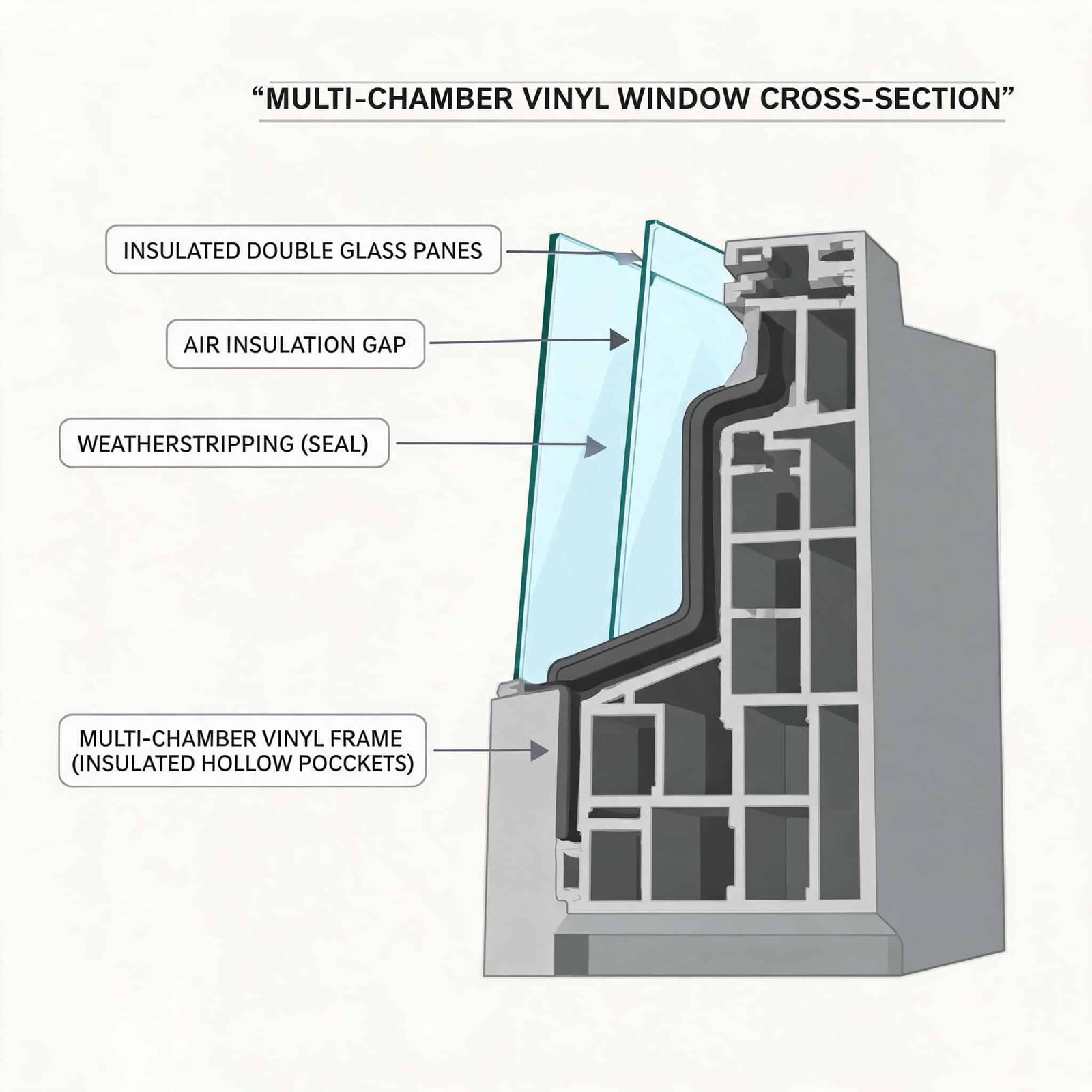
Not all vinyl is equal. Entry-level windows often use thinner extrusion walls, fewer internal chambers, and lower-grade uPVC that’s less resistant to thermal expansion. Premium windows incorporate multiple chambers for insulation and rigidity, plus metal or composite reinforcements in the sashes and meeting rails. Those reinforcements prevent warping and keep the weatherseal tight for decades. If your windows feel flimsy when you press on the frame or if you see permanent distortion around the corners, the frame itself is telling you the material wasn’t designed for a long-term marriage to your house.
The Insulated Glass Unit
The most common reason to replace a vinyl window isn’t the vinyl—it’s the glass. Double- or triple-pane insulating glass units (IGUs) contain a desiccant-filled spacer that keeps the internal cavity dry. When the perimeter seal fails, moisture enters, condensation fogs the glass, and the low-E coating degrades. Once the seal is breached, the window’s thermal performance evaporates. You can’t “fix” a failed seal without replacing the IGU or the entire sash. Over a whole house, fogged units are a clear sign that the clock has run out.
Installation Precision
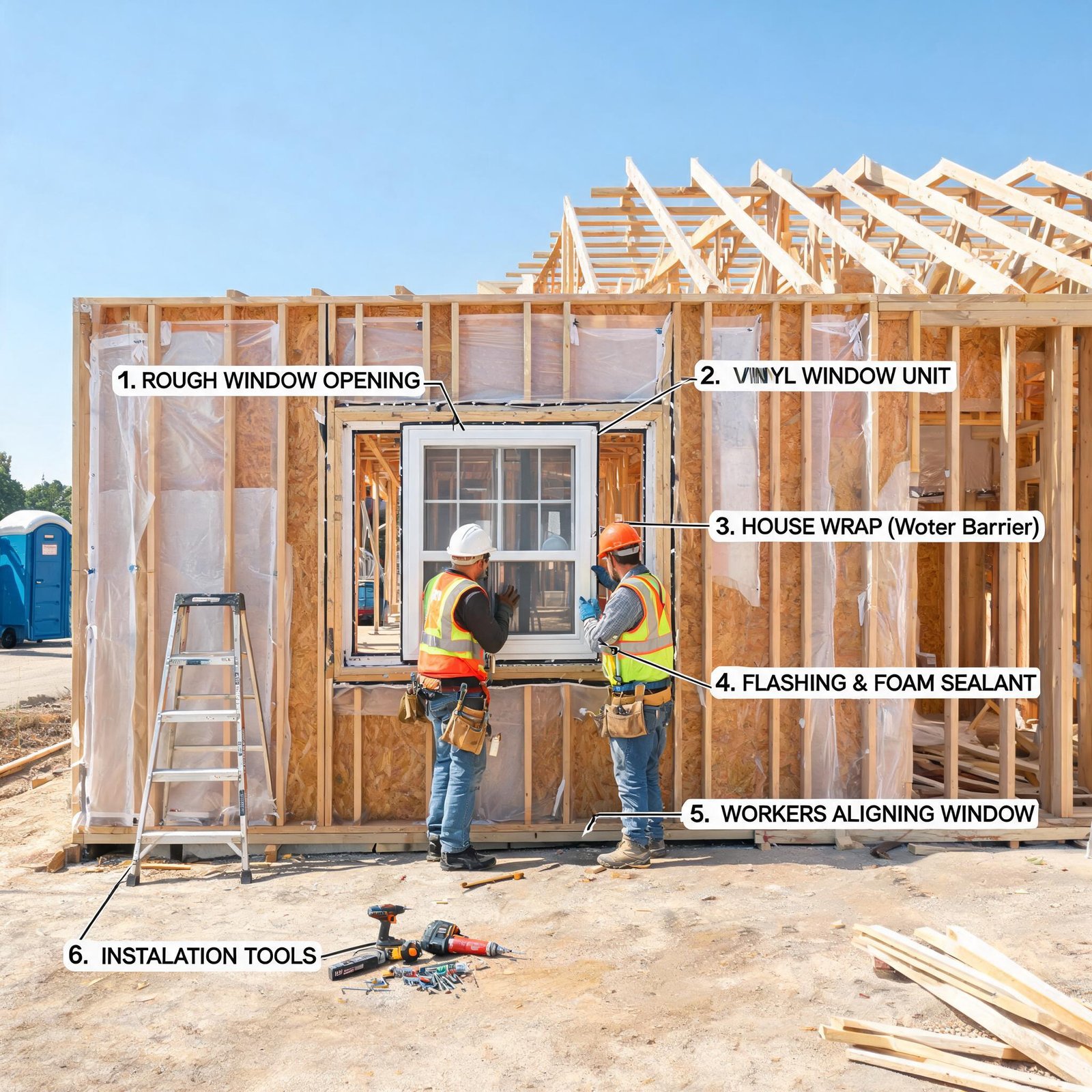
The most impeccably manufactured window will underperform if it’s installed out of square, with poor shimming or improper flashing. Water infiltration around the frame leads to wall damage, mold, and frame warping. Even small installation errors shorten the effective lifespan by putting constant stress on welds and weatherstripping. I always recommend working with installers who follow the manufacturer’s installation guidelines to the letter—and who use high-quality sealants, not just expanding foam alone.
Climate Stress
Vinyl windows expand and contract with temperature changes. In regions with extreme seasonal swings—think harsh Midwest winters followed by blistering summers—the frame undergoes continuous micro-movement. Over time, this can widen the gaps around weatherstripping, increase air leakage, and fatigue corner welds. Coastal salt spray, intense UV, and frequent storm-driven rain add their own brand of aging. Recognizing when to replace vinyl windows often means reading the signs that your local climate has left behind.
Maintenance Habits
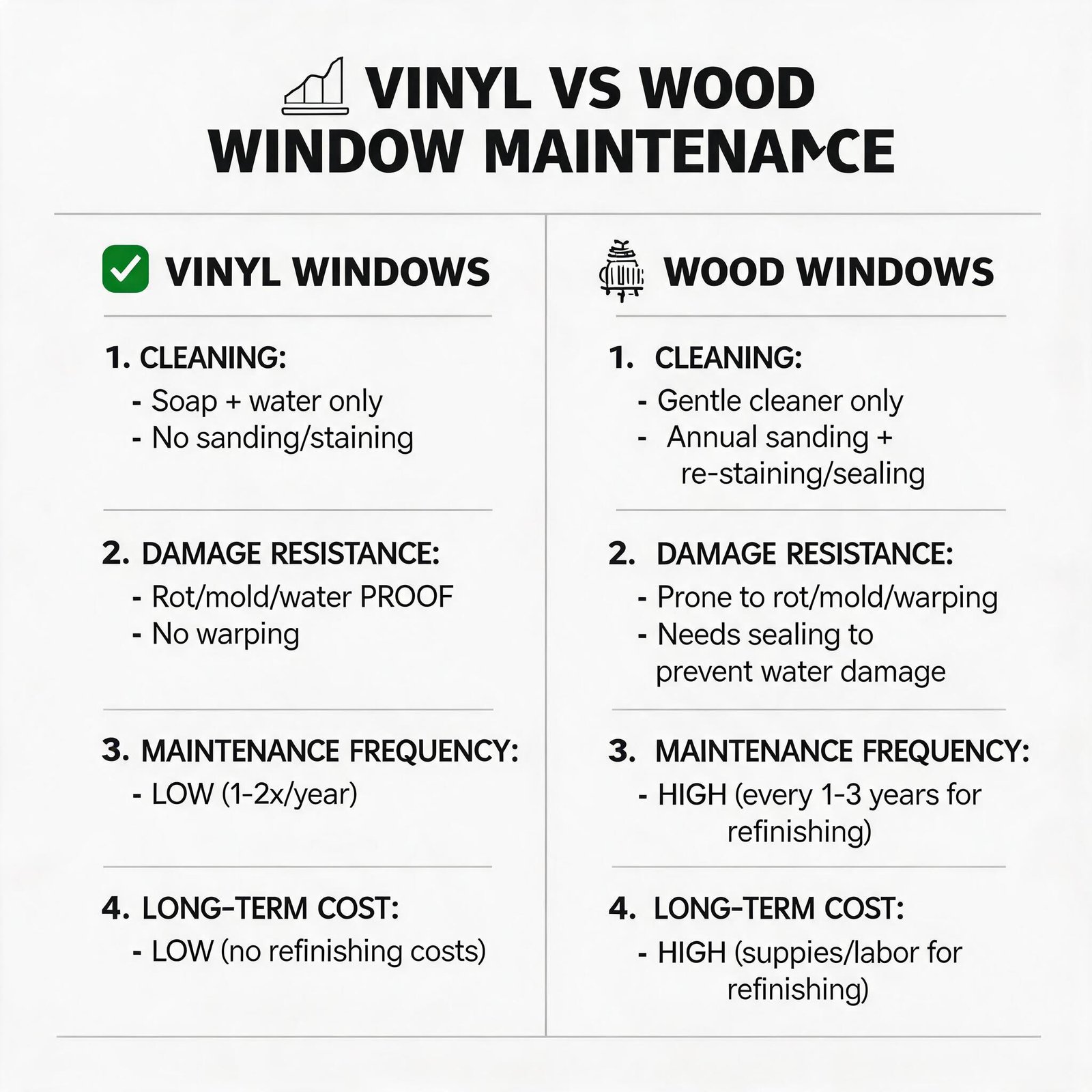
Vinyl is often sold as maintenance-free, but that’s misleading. You won’t refinish it, but you do need to clean the tracks, check drainage weep holes, lubricate hardware, and keep weatherstripping free of grit. Neglect turns minor annoyances into permanent damage. A window with debris-clogged weep holes retains water, leading to frost damage in winter and frame distortion over several freeze-thaw cycles.
Subtle and Obvious Signs You Shouldn’t Ignore
Most homeowners wait until a window sticks, leaks, or fogs before they act. By then, the window has usually been failing for a few years. I teach people to look for earlier clues.
- Drafts even when locked. If you run your hand along the sash edges on a windy day and feel air movement, the sealing system is compromised. Sometimes it’s a cleaning or alignment fix; other times it’s frame warping or permanent weatherstrip compression.
- Condensation between the panes. That’s not a surface issue. It’s a failed seal, period. The glass unit has lost its insulating gas fill and is now just two pieces of glass begging to be replaced.
- Difficulty operating. A window that needs two hands to open or won’t stay open on its own likely has a balance or hinge problem. If the frame itself is twisted, new hardware won’t solve it.
- Visible mold or moisture on interior surfaces around the frame. This often points to wall leakage from a bad installation, not the window itself. But if the frame is cold enough to condense room air constantly, the thermal break or glazing isn’t doing its job.
- Fading furniture and floor coverings near windows. Low-E coatings degrade slowly. If your south-facing windows have stopped blocking UV, you’ll see the evidence on your belongings before you notice it on your energy bill.
These indicators help homeowners understand how often do vinyl windows need to be replaced on a case-by-case basis rather than by calendar age alone. A 22-year-old window with perfect seals and smooth operation may have another decade of life. A 12-year-old window with failed seals, warped sashes, and hardware corrosion is already a candidate for the recycling bin.
Repair vs. Replace: The Manufacturer’s Framework
When I consult with homeowners, I walk them through a decision framework that considers the window system’s anatomy. Some parts are repairable; others are not.
Glass-only replacement
makes sense when the frame and hardware are in excellent shape, and the failure is limited to one or two IGUs. Many sash designs allow you to remove the glass and snap in a new sealed unit without disturbing the frame. That’s a cost-effective mid-life refresh.
Hardware replacement
is straightforward if the window is still in production. A worn-out crank mechanism, a sliding patio door roller, or a tired balance shoe can bring a window back to like-new operation for under a hundred dollars in parts. The challenge comes when the model is discontinued and parts are unavailable. That’s when the math shifts toward replacement.
Frame repair
is where the water gets murky. Cracked corner welds or bent reinforcements aren’t easily fixed without compromising the window’s structural integrity. Yes, you can sometimes patch a crack, but the root cause—often thermal stress or improper installation—will eventually produce another crack elsewhere.
If multiple components on the same window have failed simultaneously, replacement is usually the wiser long-term investment. You avoid chasing failures piece by piece and benefit from modern glass coatings, better thermal performance, and a fresh warranty.
How Often Vinyl Windows Need Replacement in Different Scenarios
It’s useful to break down the broad 20–30 year range into real-life contexts.
- New construction with mid-grade builder windows: Many production builders install windows that meet code but not much more. These often have thinner frames, basic low-E glass, and minimal reinforcement. Expect 15–20 years before performance drops noticeably.
- Premium replacement windows installed by a certified contractor: These can easily surpass 25 years. High-end glass packages and multi-point locks keep the window stable and efficient well into its third decade.
- Historic home with retrofit units: Insert windows placed in old wood frames often inherit some of the original structure’s quirks—slight out-of-square openings, water damage hidden in the jambs. The window itself may last 20 years, but the surrounding installation context might prompt earlier intervention.
- Coastal or extreme-weather homes: Salt-laden air accelerates hardware corrosion and can etch glass coatings. Even the best vinyl frames can suffer from sand abrasion over decades of storms. In these settings, 15–20 years is a prudent replacement horizon.
When someone presses me for a rule of thumb on when to replace vinyl windows, I say: don’t set a clock by the calendar. Set it by your own inspection. If more than 20% of your windows show seal failure, or if you feel drafts in multiple rooms that didn’t exist five years ago, the financial logic of a whole-house project starts to outweigh piecemeal repairs.
The Options You’ll Encounter: Inserts vs. Full-Frame Replacement
Understanding the two main replacement approaches makes you a savvier buyer. An insert (or pocket) replacement fits a new window unit into your existing frame, casing, and trim. It preserves interior and exterior finishes, minimizes mess, and costs less per opening. However, it slightly reduces the visible glass area and doesn’t address any water damage hiding behind the old frame. A full-frame replacement strips everything down to the rough opening, giving the installers a clean slate to flash, insulate, and square the opening perfectly. This method provides the best possible long-term performance and is the only way to thoroughly inspect and repair the wall cavity. I recommend full-frame replacement whenever there’s evidence of past leakage, out-of-square openings, or when upgrading to a thicker, more energy-efficient frame profile that wouldn’t fit neatly inside the old jamb.
Diving Deeper Into Glass Packages and Energy Ratings
Most consumer guides gloss over the glass, but from a manufacturer’s perspective, it’s the heart of your window’s efficiency. A double-pane IGU with a single low-E coating and argon fill achieves a U-factor around 0.28–0.30. That was leading edge a decade ago; today, triple-pane constructions with krypton or argon blends push U-factors down to 0.19 or lower. In colder climates, triple glazing not only reduces heating bills but also eliminates the “cold draft” feeling of sitting near a window in winter—often a perception of radiant heat loss, not actual air leakage.
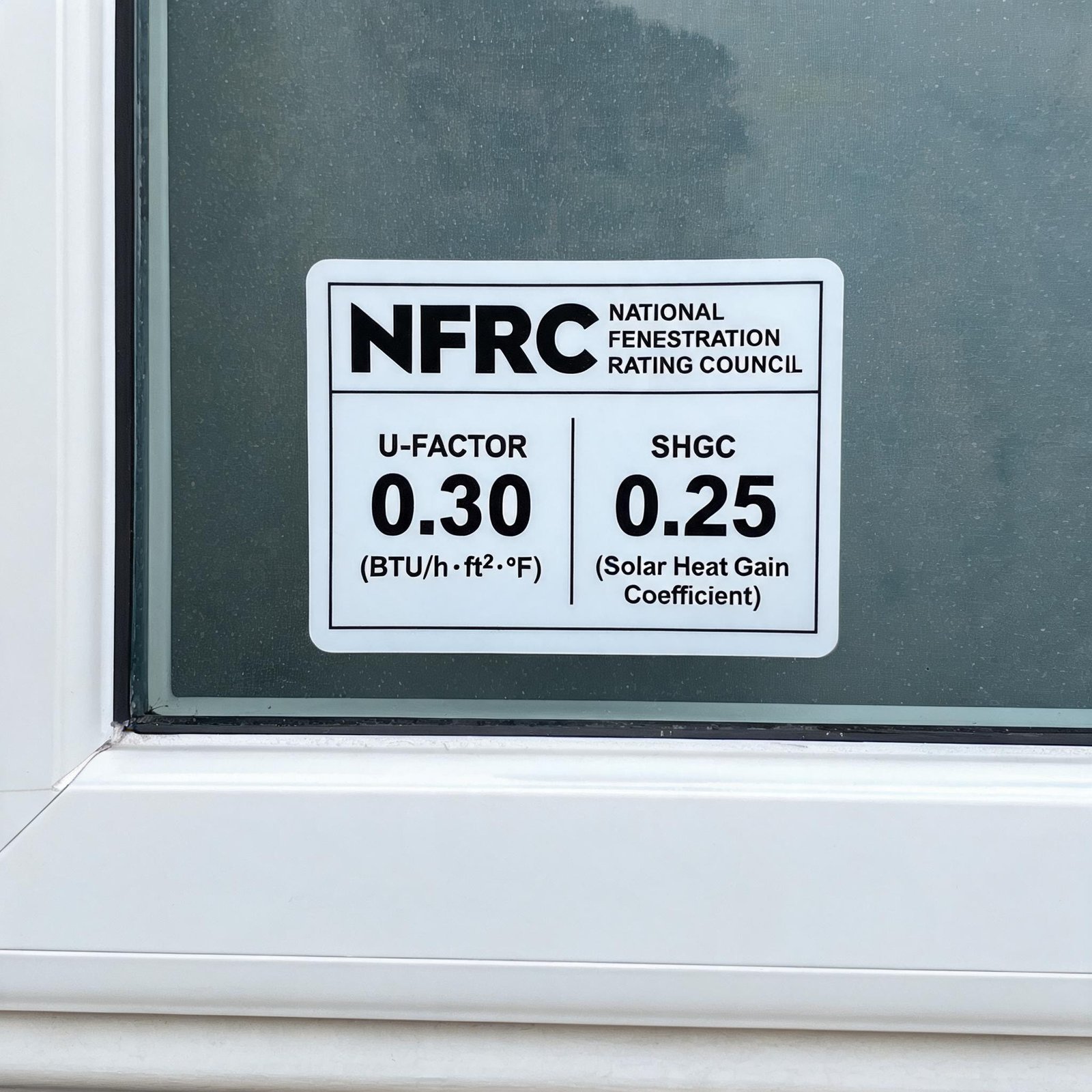
Equally important is the solar heat gain coefficient (SHGC), which measures how much solar radiation passes through the glass. In heating-dominated climates, a higher SHGC (0.40–0.55) on south-facing windows can help warm the house passively, while in cooling-dominated climates, a lower SHGC (0.25–0.35) eases the air-conditioning load. A replacement project gives you the chance to tailor glass specs to each wall’s orientation—an upgrade most original installations never had.
Understanding Costs, Energy Savings, and Real Payback
I won’t dance around the numbers. Good vinyl replacement windows, professionally installed, cost between $600 and $1,250 per opening depending on size, glass options, and whether you choose inserts or full-frame. A whole-house project of 12–15 windows could range from $8,000 to $18,000. Energy Star–certified replacements typically lower annual heating and cooling costs by 8–15%, with some independent studies showing up to 20% when switching from single-pane or failed double-pane units. In dollar terms, that’s often $200–$500 per year, depending on your local utility rates. The payback period might be 10–15 years if you only count energy savings, but that ignores increased home value, better comfort, noise reduction, and avoided repair costs on failing windows. Most homeowners I speak with say they wish they’d done it earlier—not just for the savings, but because living with properly functioning windows simply feels better.
Warranties: What Actually Matters
Vinyl window warranties sound comprehensive until you read the fine print. A “lifetime” warranty may cover the frame profile but limit glass coverage to 10–20 years, and labor is frequently excluded after a short window. As a manufacturer, I tell people to look for these specifics:
- Frame warranty against cracking, peeling, and corrosion: At least 25 years, ideally transferable to a second owner.
- Insulating glass unit warranty against seal failure: 20 years is standard for quality windows; prorated after a certain point is common.
- Labor allowance: Even a modest labor reimbursement per window can save you thousands on a mid-life IGU replacement.
- Transferability: A warranty that transfers one time adds resale value.
Don’t be afraid to ask the contractor for the manufacturer’s written warranty document before you sign. If they can’t produce it, walk away.
Maintenance That Stretches Lifespan
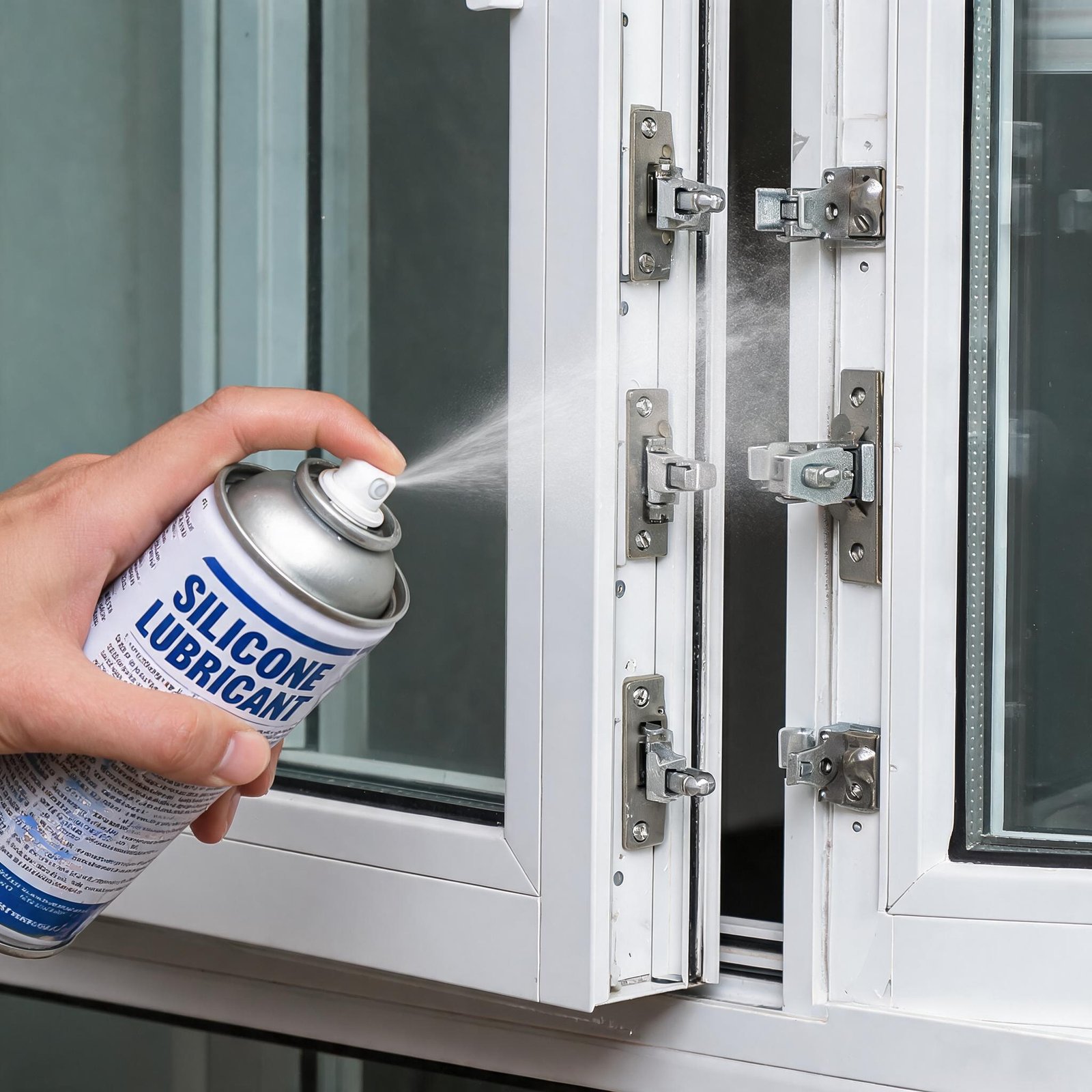
Simple habits keep vinyl windows healthy long past their 20th birthday. Twice a year, clean the tracks with a vacuum and damp cloth, paying special attention to the drainage channels at the bottom of the frame. Clogged weep holes are the top cause of premature frame damage in otherwise well-made windows. Lubricate hinges and lock mechanisms with a dry silicone spray—never petroleum-based lubricants, which attract dirt and degrade plastic components. Check the weatherstripping for tears or permanent compression, pressing it back into its groove or replacing it if it stays flattened. These 20-minute routines are the easiest way to extend a window’s usable life and delay the moment you’re forced to ask how often do vinyl windows need to be replaced.
Planning a Whole-House Replacement Timeline
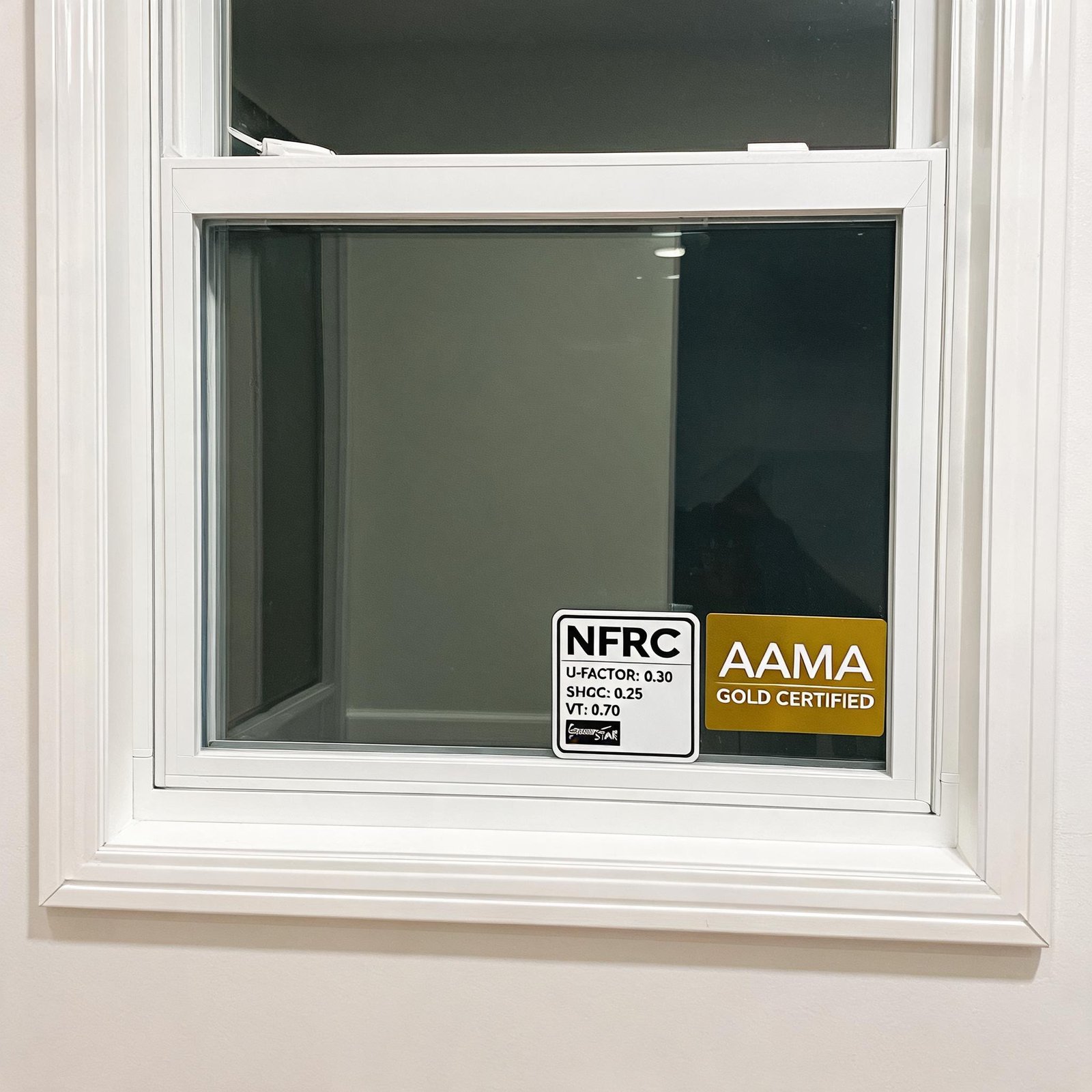
If you’ve determined that replacement is in your future, don’t panic-rush into a contract. Start planning 6–12 months ahead. Use that time to research window ratings (NFRC labels), interview three independent contractors, and check references. A great installer will perform a detailed opening-by-opening assessment, measuring not just width and height but also squareness, and will point out any structural issues they expect to encounter. They’ll also help you navigate local building codes and utility rebate programs, which can knock several hundred dollars off the final bill.
If you’re ordering custom-sized windows—and most replacement projects do—manufacturing lead times can run 4–10 weeks. Schedule the installation for mild-weather months when possible; installers work faster and the risk of incidental interior exposure to extreme cold or heat is minimized.
Measuring Performance After Replacement
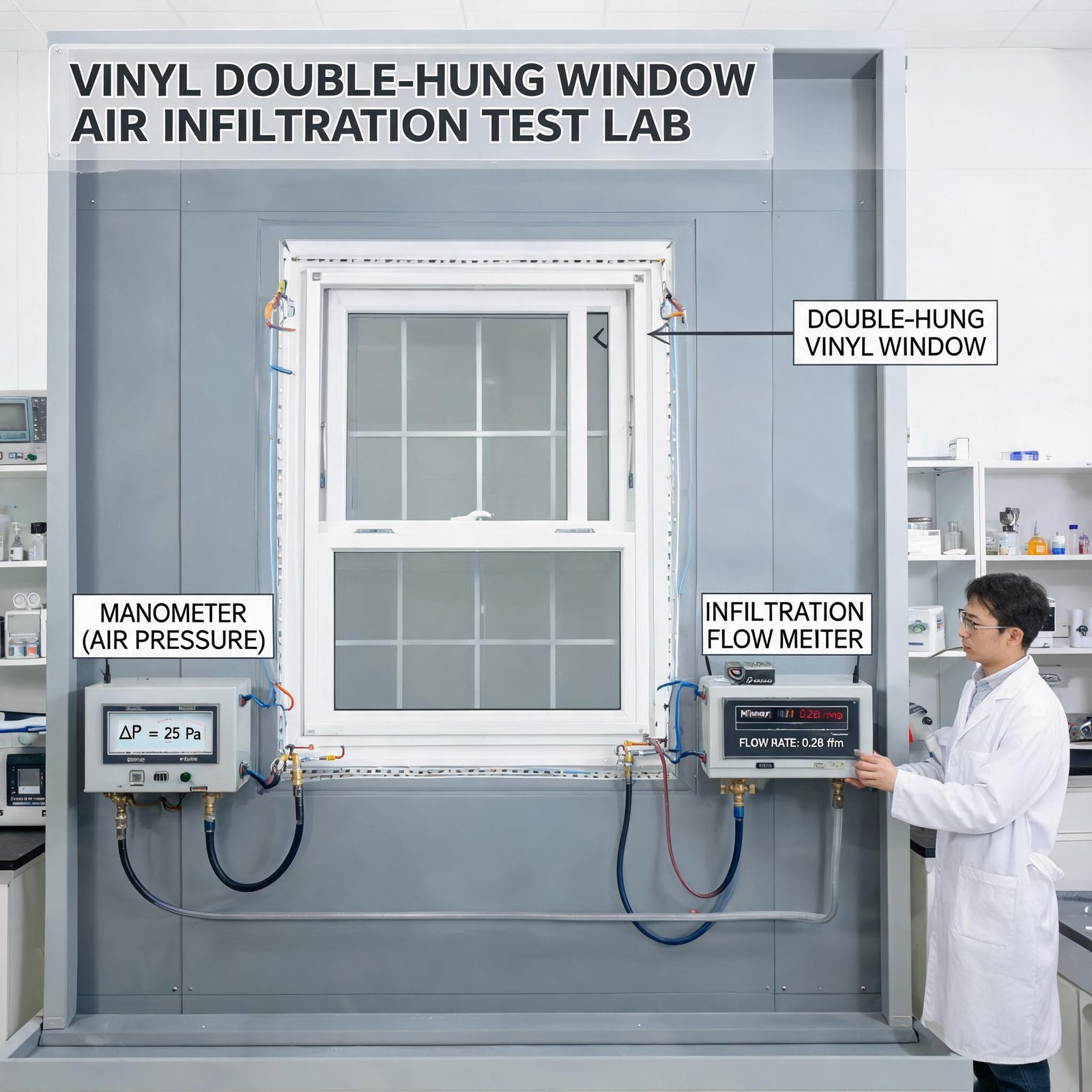
Too many homeowners just assume their new windows are working. Verify it. A low-cost thermal leak detector (or even an infrared thermometer) can show you the surface temperature of the interior glass and frame on a cold day. Compare it to an old window you didn’t replace yet; the difference is usually stark. Consider a blower-door test after the project to quantify whole-house air leakage and ensure the installation didn’t introduce new leaks elsewhere. The peace of mind that comes from hard data is worth the small investment. If your energy bills don’t reflect the improvement you expected, the test will help your contractor track down the issue, whether it’s an overlooked attic bypass or a poorly insulated band joist—not the windows themselves.
Frequently Asked Questions
How do I know if just one window needs replacing, or if I should replace them all?
If the house was built or last renovated with the same batch of windows, the remaining units are likely aging at a similar rate. Check at least a few windows on different walls. If you see early seal failure or frame warping in more than a couple, a phased full-house plan avoids paying repeated mobilization costs for installation crews.
Can I replace the glass only if the vinyl frame is still good?
Yes, as long as the sash is designed for glass-unit replacement and the frame isn’t distorted. Many modern vinyl sashes use a snap-in glazing bead that makes IGU swaps straightforward. This is a cost-effective option for mid-life seal failures, but it won’t improve the frame’s U-factor or address any installation-born air leaks around the perimeter.
Will new vinyl windows look yellowish or chalky over time?
High-quality uPVC formulations include titanium dioxide and UV stabilizers that resist chalking and color shift for decades. Budget-grade windows from 20 years ago gave vinyl an unfair reputation for yellowing. Today’s premium profiles hold their color and surface integrity remarkably well, even in intense sun. Look for manufacturers that offer a no-yellowing warranty clause.
What’s the biggest mistake people make when replacing windows?
Skipping the professional installation assessment. I’ve seen premium windows fail within five years because they were put into rotted framing with no water management strategy. The window itself was flawless; the failure was 100% installation. Don’t let a low bid tempt you into skipping the critical step of an in-person structural evaluation of your existing openings.
Is it worth paying more for triple-pane glass in a moderate climate?
In milder regions, the incremental thermal benefit of triple glazing may never fully pay back in energy savings, but the comfort and noise reduction can be transformative. If you live near a busy road or airport, triple-pane often cuts outside sound by an additional 2–4 decibels compared to double-pane—something you’ll notice every single day. Value isn’t just about the utility bill.
How often do vinyl windows need to be replaced if they’re still