When you live where the mercury regularly climbs past 100°F, your windows aren’t just architectural features—they’re the front line in the battle against heat. Glass and frame absorb punishing solar radiation hour after hour, and the difference between the right window and the wrong one can be thousands of dollars in utility bills as well as endless discomfort. It’s no surprise that more and more homeowners in sun-scorched regions are asking not just which glass to pick, but which frame material can truly take the heat. The answer, backed by decades of materials science and field data, increasingly points to one solution: advanced vinyl systems. When we talk about the best vinyl windows for hot climates, we’re not referring to the hollow, off-the-shelf product of decades past. We’re talking about modern, engineered uPVC profiles that are purpose-built to stay stable, seal tight, and reflect heat even when the asphalt outside is soft enough to leave footprints.
Why Window Selection Matters in Hot Climates
In a heating-dominated climate, you worry about keeping warmth in. In a cooling-dominated climate, the enemy is the sun. Solar heat streaming through ordinary windows can account for up to 30% of a home’s cooling load. That means your air conditioner is spending a third of its energy just fighting the heat gain from your glass. And it’s not just about temperature; ultraviolet light fades furniture, flooring, and artwork, while poorly sealed frames let dust and humidity ride in on drafts.
A genuinely effective hot-climate window does three jobs simultaneously: it rejects solar energy before it turns into indoor heat, it insulates against conducted outdoor heat, and it forms an unrelenting air seal. The frame material is not a minor footnote—it can make or break all three functions. Aluminum, for instance, conducts heat so eagerly that it can turn a premium low-e glass unit into a thermal sieve. Wood swells, shrinks, and demands vigilant maintenance when humidity swings. Fiberglass works well but remains expensive. This is the environment where vinyl, when correctly formulated and fabricated, starts to look less like a budget alternative and more like the ideal platform.
Understanding Window Performance Ratings
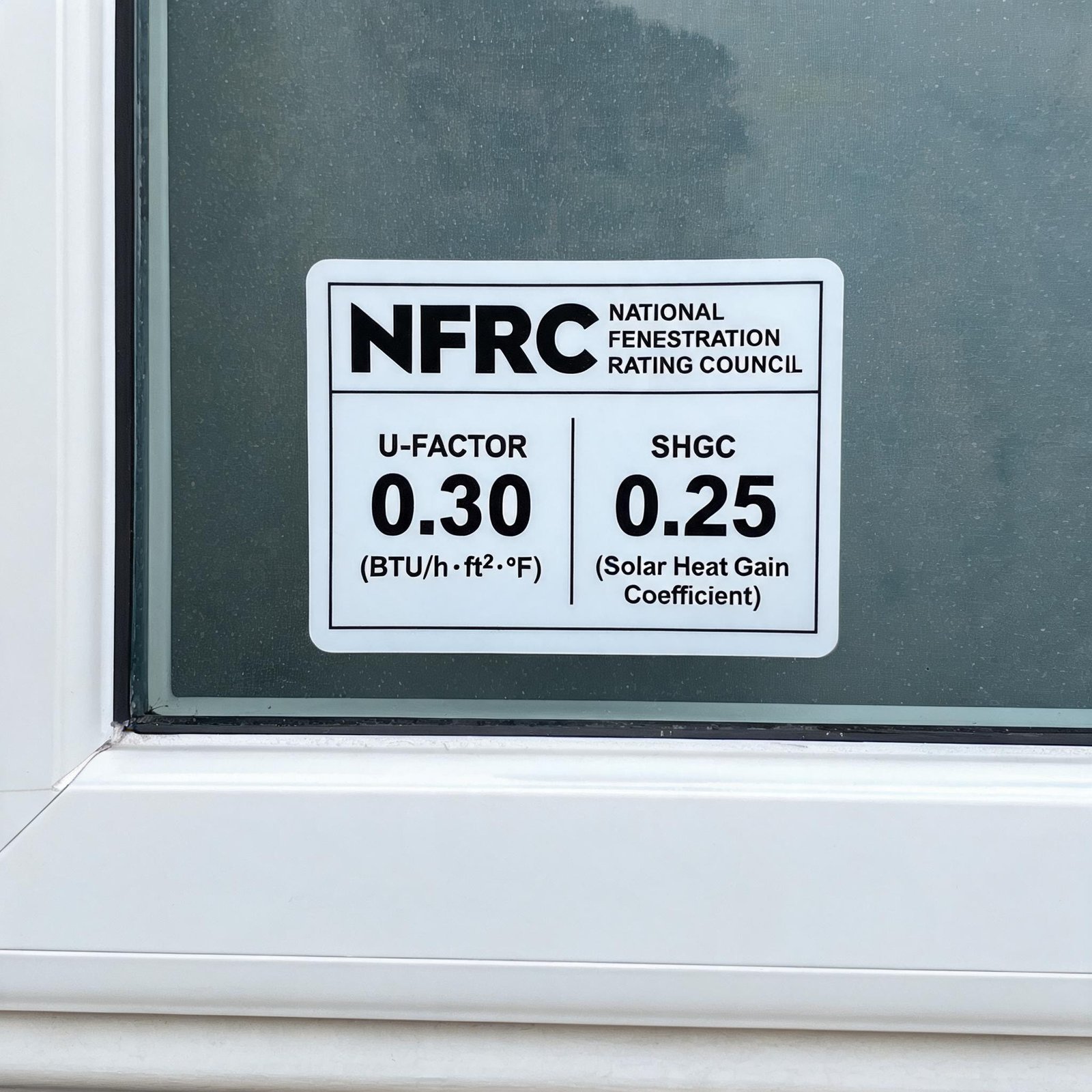
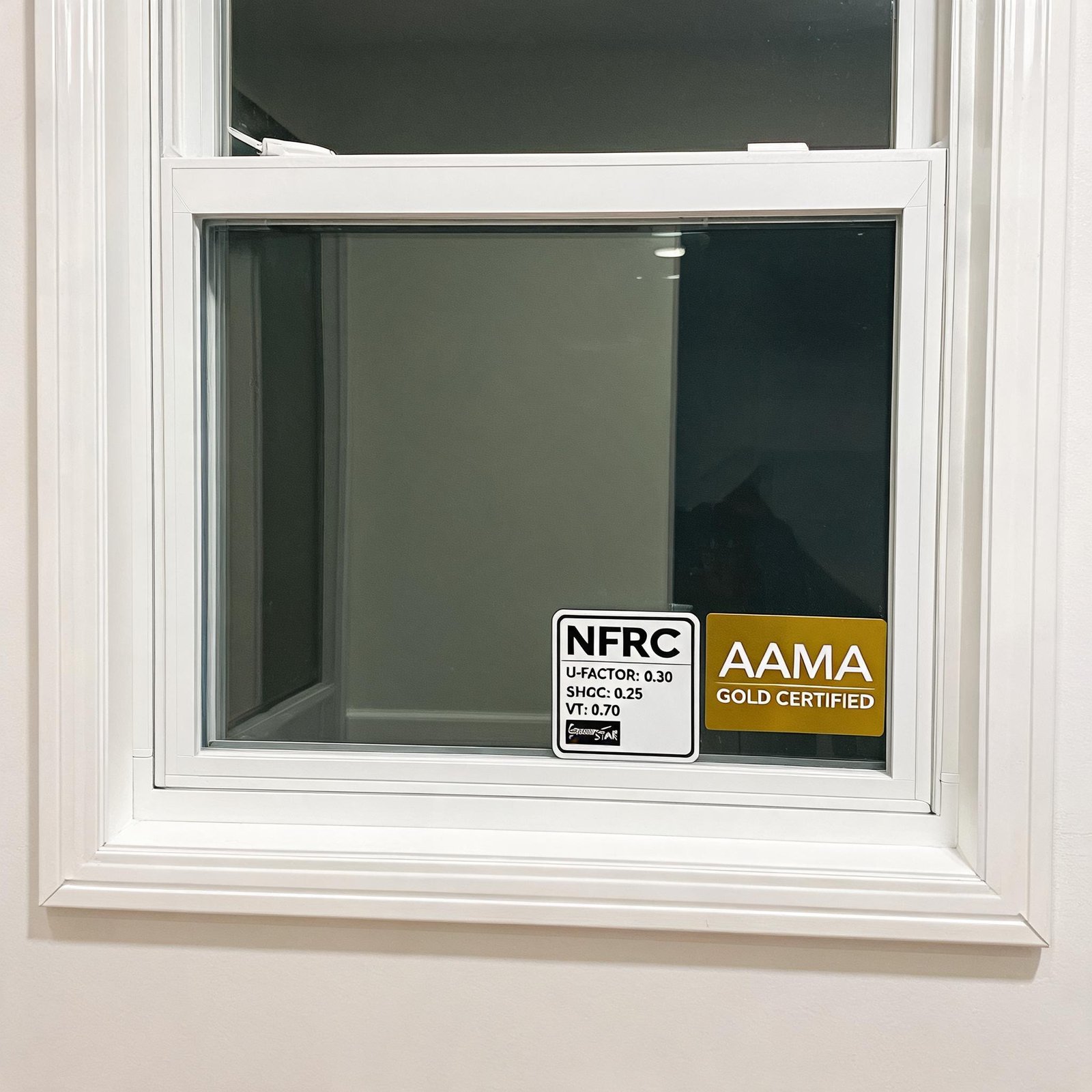
Before zeroing in on frame materials, you need to speak the language of window performance. All reputable windows carry labels from the National Fenestration Rating Council (NFRC), and these numbers let you compare products on an even playing field.
Solar Heat Gain Coefficient (SHGC) – The Hot Climate Superstar
SHGC measures how much solar radiation passes through the glass and frame. The number runs from 0 to 1; a lower SHGC means less heat enters your home. In hot climates, this is your most critical metric. For most desert and tropical regions, look for an SHGC of 0.25 or lower on south- and west-facing windows. Some triple-coated low-e glass packages can push that number below 0.20 without making the view look like a tinted windshield.
U-Factor – Insulation in Reverse
While U-factor rates how well the entire window prevents heat from flowing through it, in a cooling climate a moderate U-factor is often enough. A U-factor of 0.30 or less is excellent for hot zones, but don’t chase ultra-low numbers at the expense of SHGC. A window that blocks solar gain brilliantly but has a slightly higher U-factor will still outperform one with a great U-factor that lets the sun cook the interior.
Visible Transmittance and Glare Control
VT tells you how much natural light passes through. A good hot-climate window balances low SHGC and high VT so rooms stay bright without the heat. Advanced spectrally selective coatings can slice solar heat while letting most visible light through—exactly what you want when you’re trying to reduce air conditioning bills without living in a cave.
Why Vinyl Windows Excel in High-Heat Environments
For years, there’s been a persistent myth that vinyl windows can’t hold up under relentless desert sun or tropical humidity. That reputation clings to an earlier generation of vinyl that used basic polyvinyl chloride with limited stabilizers. Today’s high-quality vinyl window is a different animal altogether.
Superior Thermal Performance Right Out of the Box
Vinyl is an inherently poor conductor of heat—hundreds of times less conductive than aluminum. A multi-chambered vinyl frame creates insulating pockets of dead air that break the thermal bridge between the outside and inside. This means the frame itself doesn’t bake your interior wall surfaces the way an aluminum frame can, even when the glass has a decent coating. When you combine that with foam filling or internal steel reinforcement designed to add strength without compromising thermal breaks, you have a frame that outperforms wood in thermal resistance and beats aluminum decisively.
Advanced uPVC Formulations Resist Heat Distortion
The material used in premium vinyl windows is unplasticized polyvinyl chloride, or uPVC. Unlike the flexible vinyl in plumbing, this is a rigid, impact-resistant compound engineered specifically for building components. Manufacturers add advanced heat stabilizers, UV inhibitors, and acrylic modifiers to ensure the frames maintain their shape and color under prolonged sun exposure. Testing routinely shows high-end vinyl windows withstanding continuous temperatures of 140°F and peak surface temperatures beyond 170°F without sagging or losing their corner welds. If you are exploring energy-efficient uPVC window solutions for a sun-drenched property, verify that the profiles use high-quality virgin uPVC with documented heat aging data.
Moisture and Humidity Resistance
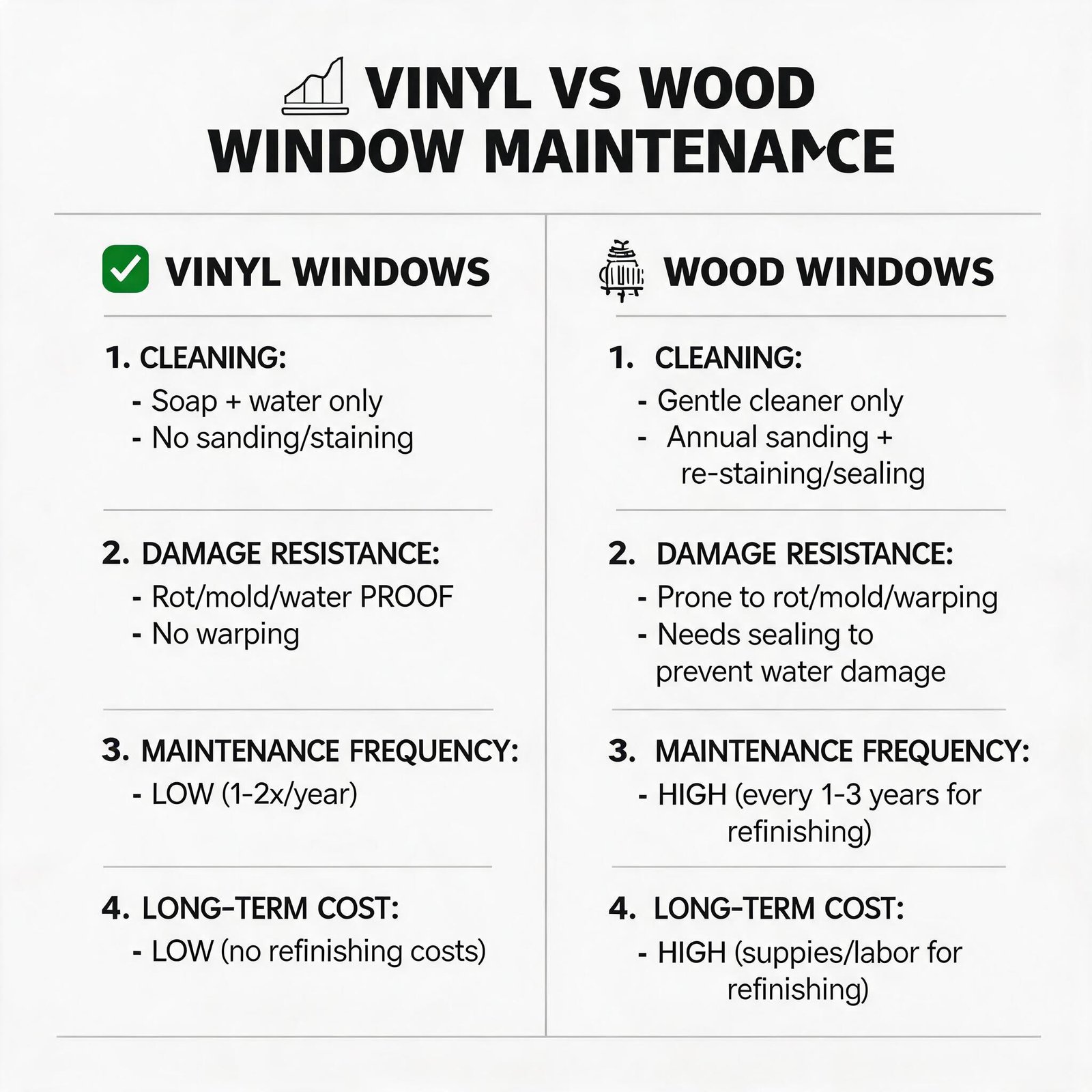
In humid areas, wood rots and swells, creating gaps in the seal that let air-conditioned air leak out. Vinyl doesn’t absorb water, won’t rot, and doesn’t need repainting. That matters enormously in states like Florida, where windows endure repeated cycles of rain, intense sun, and salt spray. So, are vinyl windows good in Florida? Absolutely. They withstand the humidity, resist corrosion, and maintain their dimensional stability year after year. The welded corners on a quality vinyl unit create a permanent, watertight bond that mechanically assembled frames can’t always match—one reason many coastal builders have shifted almost exclusively to high-performance vinyl.
Low Maintenance in Dusty, Dry Conditions
In the arid Southwest, dust storms and pollen are part of life. Vinyl frames don’t require sealing or painting, and they clean with soap and water. Homeowners often ask, are vinyl windows good in Arizona? The short answer is yes—provided you choose a product engineered for heat. The dry climate eliminates wood‑warping moisture cycles and exposes aluminum’s tendency to collect heat. Modern vinyl, with its low thermal conductivity and UV-stabilized surface, holds up against the unrelenting sun of Phoenix or Tucson without cracking or fading. The key is heat resistance built into the compound itself, so that the frame doesn’t soften over time and maintains its snug glass seal.
Key Features to Look for in Vinyl Windows for Hot Climates
Not all vinyl windows are created equal. To get the best out of your investment, look for these specific features.
Low-E Glass Coatings
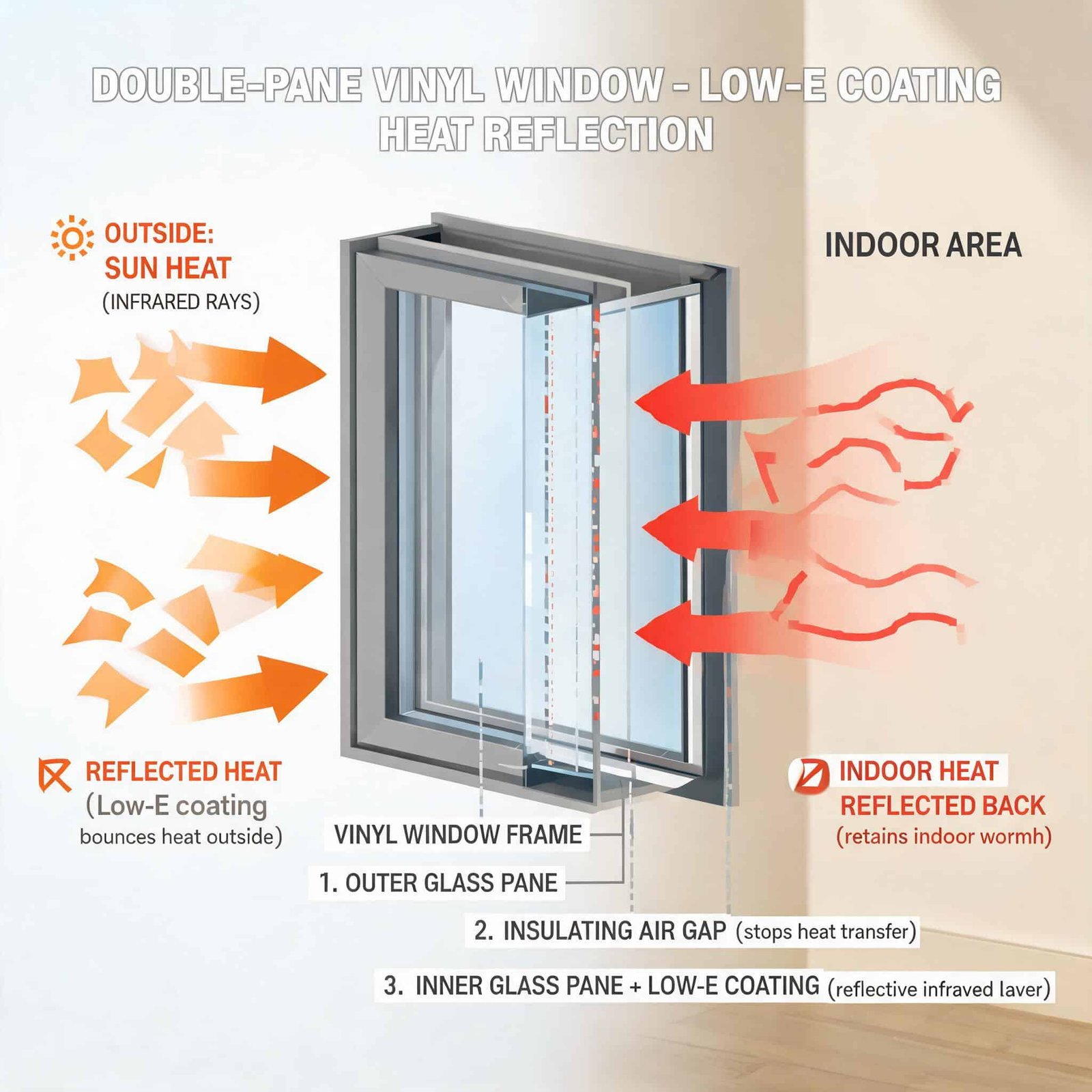
Low-emissivity coatings are microscopically thin metallic layers that reflect infrared heat while letting visible light pass. For hot climates, you want a low-e coating on the interior surface of the outer pane (surface #2) to bounce solar heat back outside. Spectrally selective low-e glass can achieve SHGC values below 0.25 while keeping VT above 50%, giving you daylight without the heat penalty.
Multi-Pane Configurations and Gas Fills
Double-pane units are standard, and triple-pane can add extra insulation, but in a predominantly cooling climate the glass coatings often matter more than adding a third pane. Still, a double-pane unit with argon or krypton gas fill will reduce conductive heat transfer noticeably. If you face extreme daytime-to-nighttime temperature swings, the extra insulating buffer of triple glazing can be worthwhile, but only when paired with the right SHGC.
Foam-Filled Frames and Thermal Reinforcement
Injected polyurethane foam inside the vinyl chambers raises the frame’s insulation value and adds rigidity. Some manufacturers also use internal aluminum or galvanized steel reinforcements that are thermally broken to maintain low conductivity. The combination of foam and strategic reinforcement gives a frame with the strength to support large-format glass and the thermal efficiency to meet strict energy codes.
Warm-Edge Spacers
The spacer that separates the glass panes is another thermal weak point. Traditional aluminum spacers bleed heat and can cause condensation. Warm-edge spacers made from silicone foam, butyl, or composite materials dramatically cut heat transfer at the edge of the glass, keeping the entire unit’s U-factor low and reducing the risk of seal failure.
Professional Installation – The Forgotten Factor
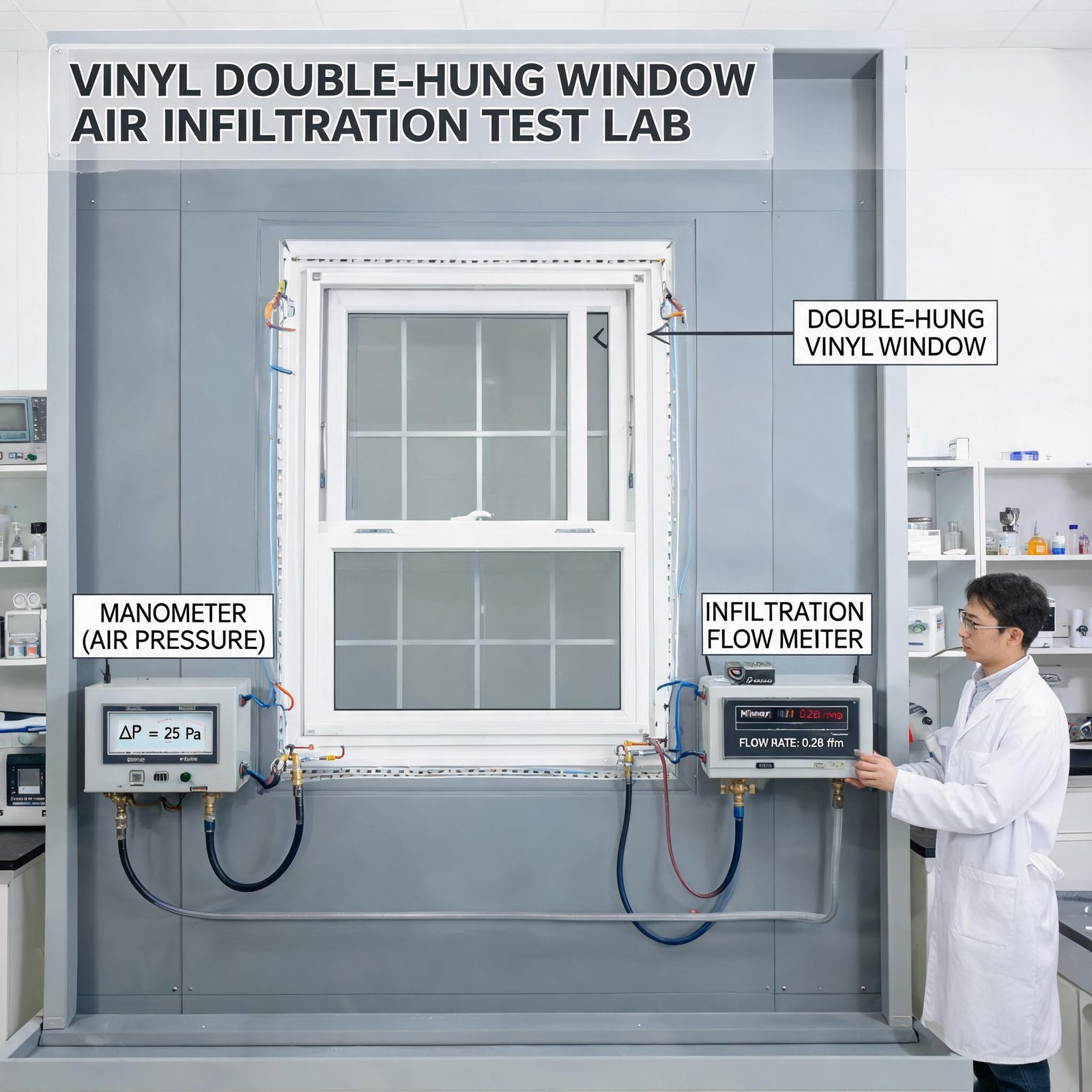
Even the most advanced vinyl window will underperform if the installation is sloppy. Gaps around the rough opening, improper leveling, and missing insulation can create air leakage that undoes all the engineered efficiency. Look for a manufacturer or contractor that follows ASTM E2112 installation standards, and insist on low-expansion foam sealant around the perimeter. The best windows in hot climates are only as good as the air seal around them.
Frame Material Comparison: Vinyl vs. Alternatives for Hot Weather
Aluminum frames are strong and slim, but they conduct heat so rapidly that the inside surface can become too hot to touch under direct sun. Even thermally broken aluminum still doesn’t match the insulating properties of vinyl. Wood offers decent thermal performance but requires constant refinishing, and in humid heat it can swell and jam. Fiberglass performs well thermally and structurally, but its price point often rules it out for whole-house projects. Composite frames attempt to blend wood fibers and polymers, yet they still lack the moisture immunity of pure uPVC.
Vinyl, by contrast, provides a sweet spot: thermal efficiency close to wood, zero rot, minimal expansion when properly stabilized, and a price that makes large-scale replacement financially feasible. If you want durable vinyl window options that balance cost and thermal efficiency, look for products with multi‑chambered profiles, fusion-welded corners, and at least a Class 2 heat resistance certification per AAMA standards.
Window Styles That Maximize Cooling Efficiency
The way a window opens and closes affects how well it seals. In hot climates, air leakage is just as important as glass coatings. Casement windows, which press against the frame when closed via a crank mechanism, tend to offer the best seal against wind and dust. Awning windows, hinged at the top, provide a similar compression seal and can even be left open during light rain for ventilation without letting water in. Picture windows, which don’t open at all, give you absolutely zero air leakage—ideal for framing a view without compromising the building envelope. Sliding and hung windows, while popular, rely on weatherstripping that can wear over time, so if you choose those, insist on dual-pane compression seals and reinforced interlocks. The worst performer in a hot, windy climate is a poorly installed horizontal slider; the best is a high-quality casement with multi-point locking that pulls the sash tight against the frame.
Real-World Savings and ROI from Energy-Efficient Vinyl Windows
Energy Star estimates that replacing single-pane windows with certified energy-efficient models can save homeowners up to 15% on annual energy bills. In the Sun Belt, where air conditioning might run eight months out of the year, the savings often skew higher. A recent case study from a production builder in the Inland Empire showed that upgrading from builder-grade aluminum windows to foam-filled vinyl with low-e double glazing reduced peak cooling demand by nearly 22%. Over the life of the windows, that translates into thousands of dollars in avoided electricity costs—combined with a quieter interior and much less UV fading.
Localized Advice: Hot-Dry Versus Hot-Humid Climates
The phrase “hot climate” covers both the dry blast of the Sonoran Desert and the muggy blanket of the Gulf Coast. In arid zones, the priority is cutting solar gain and resisting dust infiltration; you want a low SHGC (0.22 or less) and a frame that won’t chalk under intense UV. In humid zones, you still need solar control, but you also need absolute moisture resistance and a frame that won’t swell or promote condensation that feeds mold. Vinyl shines in both, but the glass package might be tuned differently: a slightly higher SHGC may be acceptable on north-facing elevations in Florida to capture free light, while in Phoenix every pane deserves the strongest solar shield available.
Frequently Asked Questions About Vinyl Windows in Hot Climates
Are vinyl windows good in Arizona’s extreme heat?
Yes, when made with high‑quality uPVC and heat‑resistant additives. Premium vinyl windows maintain their strength and shape at surface temperatures well above 160°F, making them a reliable choice for desert cities like Phoenix and Tucson.
Are vinyl windows good in Florida’s humid climate?
Absolutely. Vinyl does not absorb moisture, so it won’t rot or swell like wood. Welded, multi‑chambered frames resist water intrusion, and corrosion‑free performance makes them ideal for coastal humidity.
Can vinyl windows melt or warp in hot