When you’re standing in the middle of a home improvement project, few decisions carry more weight than choosing the right windows. The debate between vinyl and fiberglass has intensified over the past few years, and for good reason. Both materials offer distinct advantages, but the right choice depends on your climate, budget, and long-term goals.
As a manufacturer who has spent years engineering both types of windows, I’ve seen homeowners make decisions based on incomplete information. This guide aims to change that. We’ll go beyond surface-level comparisons and explore the real-world performance, hidden costs, and practical considerations that most articles overlook.
Understanding the Core Difference Between Vinyl and Fiberglass
Before diving into the pros and cons, it helps to understand what makes these materials fundamentally different.
Vinyl windows are made from polyvinyl chloride (PVC), a thermoplastic that has dominated the replacement window market for decades. The material is extruded into hollow frames, which are then reinforced with metal or wood for structural support. Vinyl’s popularity stems from its affordability and excellent thermal performance.
Fiberglass windows, on the other hand, are constructed from glass fibers embedded in a resin matrix. This composite material is stronger than steel on a pound-for-pound basis and offers superior dimensional stability. Fiberglass frames can be hollow or filled with insulation, and they accept paint exceptionally well.
Energy Efficiency: Which Material Keeps Your Home Comfortable?
Energy efficiency is often the primary concern for homeowners, and both materials perform well, but they achieve efficiency through different mechanisms.
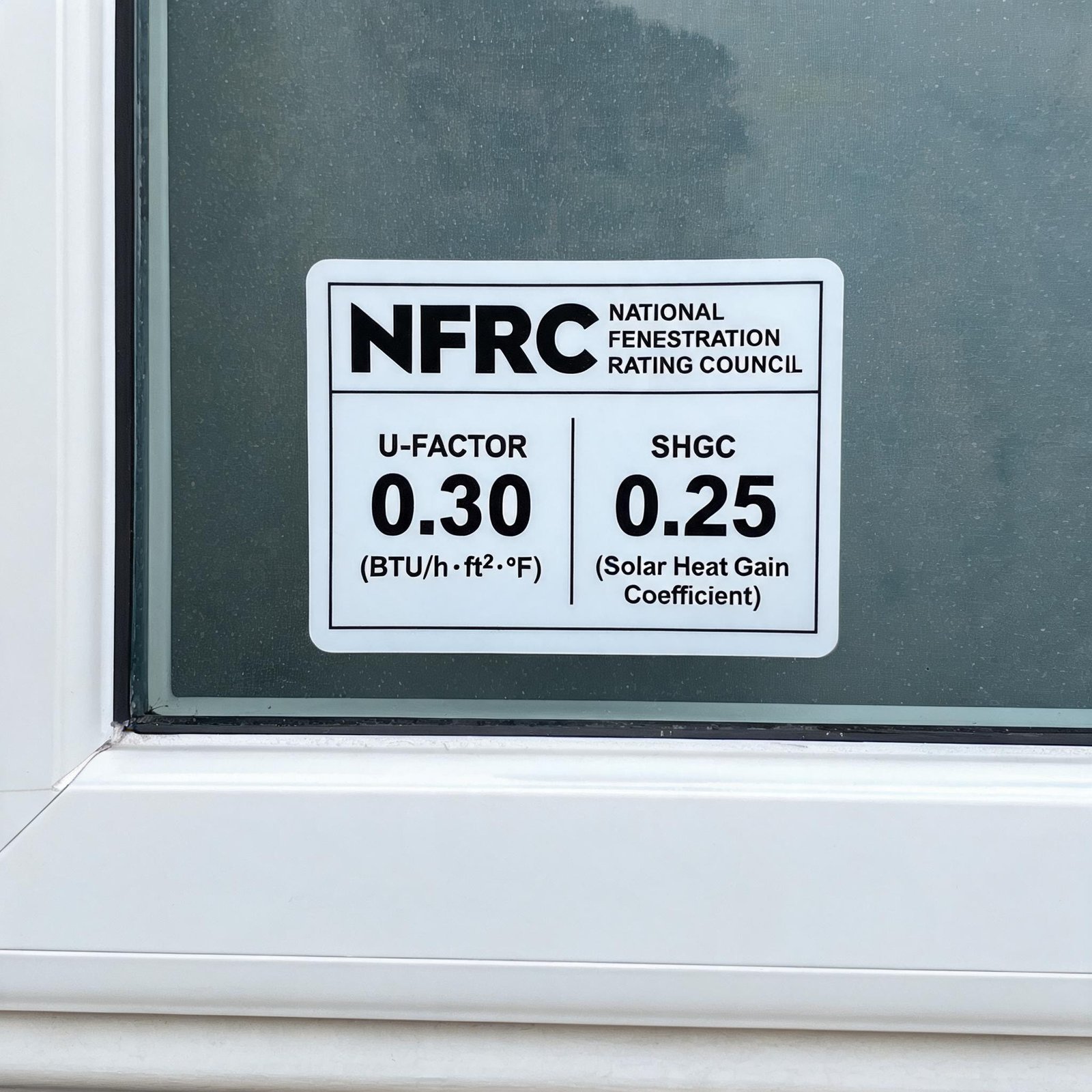
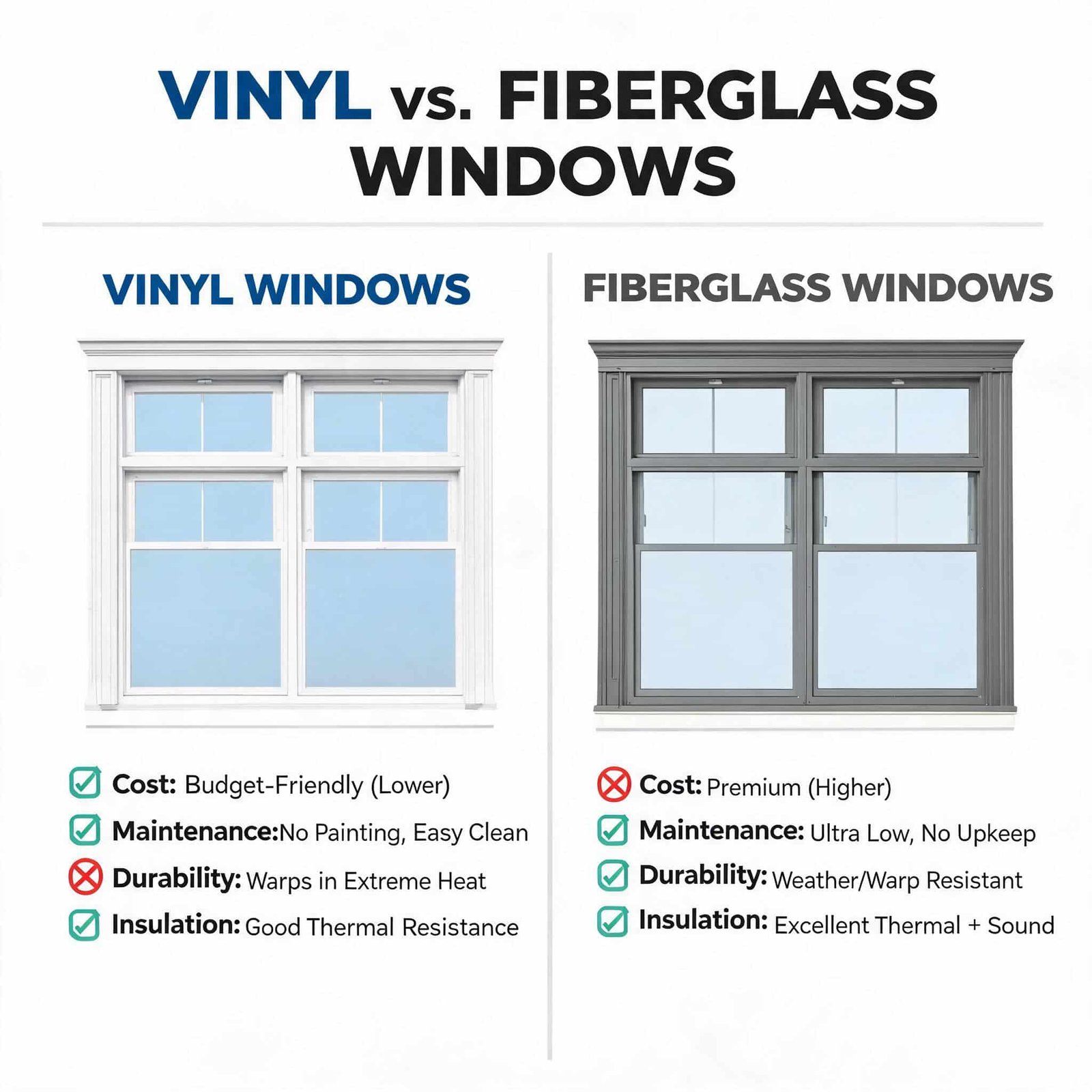
Vinyl windows excel at thermal insulation because PVC is naturally a poor conductor of heat. The multi-chambered designs used in modern vinyl frames create dead air spaces that further reduce heat transfer. When combined with double or triple-pane glass and low-E coatings, vinyl windows can achieve U-factors as low as 0.20, which is exceptional for any window material.
Fiberglass windows offer comparable thermal performance, but their advantage lies in stability. Fiberglass has a similar coefficient of thermal expansion to glass, meaning the frame and glass expand and contract at nearly the same rate. This reduces stress on seals and helps maintain energy performance over decades.
For homeowners in extreme climates, fiberglass often wins because it doesn’t warp or bow under temperature swings. In moderate climates, vinyl provides excellent value without sacrificing comfort.
Durability and Longevity: What Happens After Ten Years
This is where many homeowners discover hidden truths that manufacturers don’t always highlight.
Vinyl windows typically last 20 to 40 years, depending on quality and exposure to sunlight. The primary vulnerability is UV degradation. Cheap vinyl can become brittle, chalky, or yellow over time. High-quality vinyl with UV stabilizers and co-extruded acrylic caps resists this much better, but no vinyl is completely immune.
Fiberglass windows routinely last 50 years or more. The material does not rot, warp, corrode, or dent. It holds paint exceptionally well, and the factory finish can last 20 years before needing repainting. Fiberglass also handles temperature extremes better than vinyl. In freezing conditions, vinyl becomes more brittle and can crack if impacted. Fiberglass maintains its impact resistance across a wider temperature range.
One practical insight often missing from comparisons: if you live in an area with intense sun exposure, fiberglass will maintain its appearance far longer than vinyl. If you’re in a milder climate, vinyl’s longevity is perfectly adequate.
Cost Analysis: Upfront Investment Versus Lifetime Value
Let’s talk numbers honestly. Vinyl windows typically cost between $300 and $800 per window, installed. Fiberglass windows range from $500 to $1,500 per window, installed. That’s a significant upfront difference.
However, the lifetime cost calculation changes when you factor in maintenance, energy savings, and replacement frequency.
Vinyl windows require minimal maintenance—just occasional cleaning. They never need painting. But if you want to change the color, you’re out of luck. Vinyl cannot be painted successfully in most cases.
Fiberglass windows can be painted any color, and the paint adheres exceptionally well. If you repaint your home’s exterior, you can match your windows without replacing them. This flexibility adds value over time.
For homeowners planning to stay in their home for 10 years or less, vinyl often makes better financial sense. For those building a forever home, fiberglass’s longevity and paintability justify the higher initial investment.
Aesthetic Options and Design Flexibility
Many homeowners assume all replacement windows look similar, but the material choice dramatically affects what’s possible.
Vinyl windows come in a limited range of colors, typically white, beige, and dark brown. Some manufacturers offer wood-grain finishes, but these are laminates that can peel over time. The chunky frames required for structural rigidity also limit sightlines, meaning you get less glass area compared to other materials.
Fiberglass windows offer far greater design flexibility. They can be molded into slim profiles that maximize glass area. They accept paint flawlessly, so you can match any exterior color scheme. Fiberglass can also be manufactured in custom shapes—arches, circles, trapezoids—much more easily than vinyl.
For historic homes or architectural styles requiring specific aesthetics, fiberglass is often the only practical choice among non-wood materials.
Installation Considerations: What Installers Don’t Tell You
The quality of installation matters as much as the window itself, but different materials present different installation challenges.
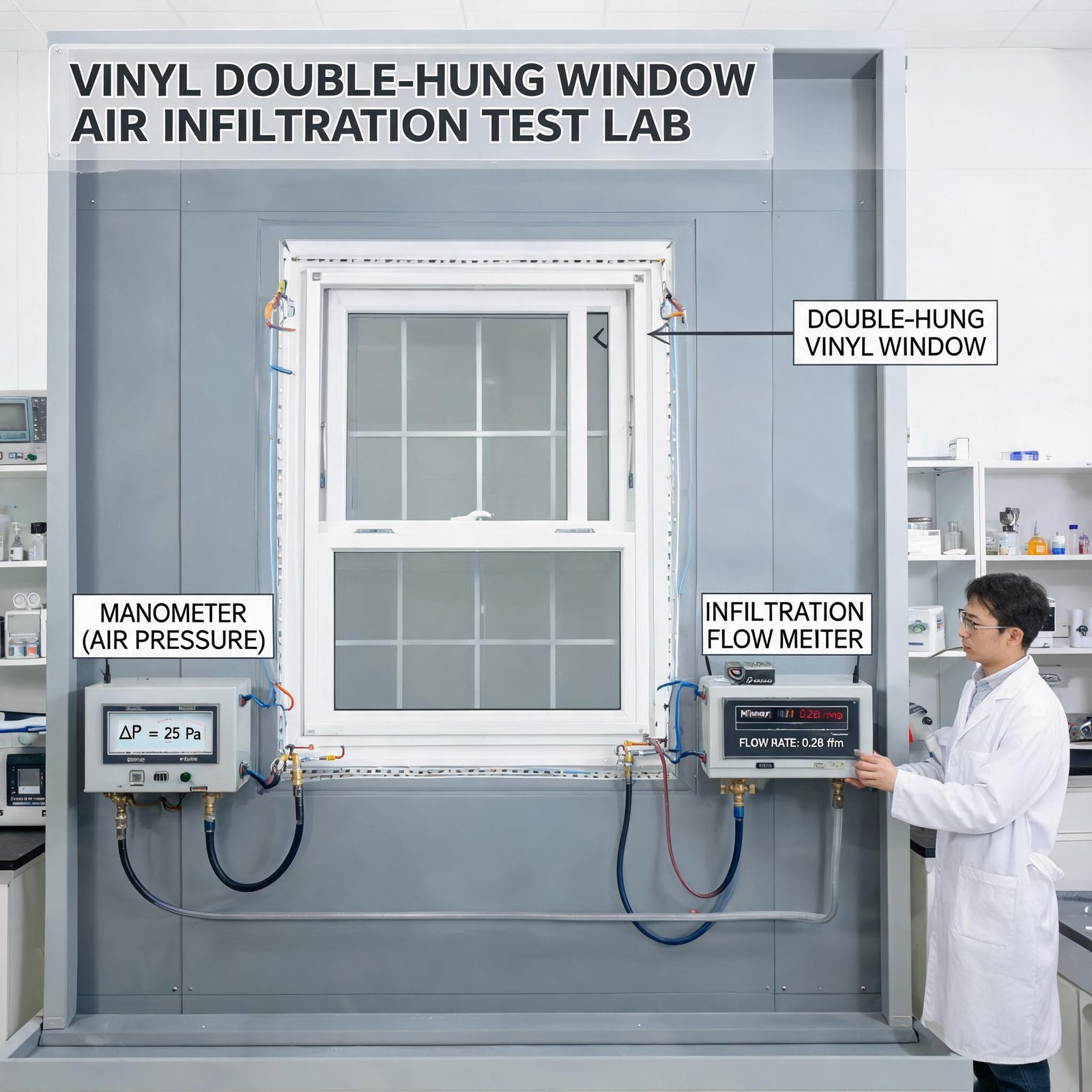
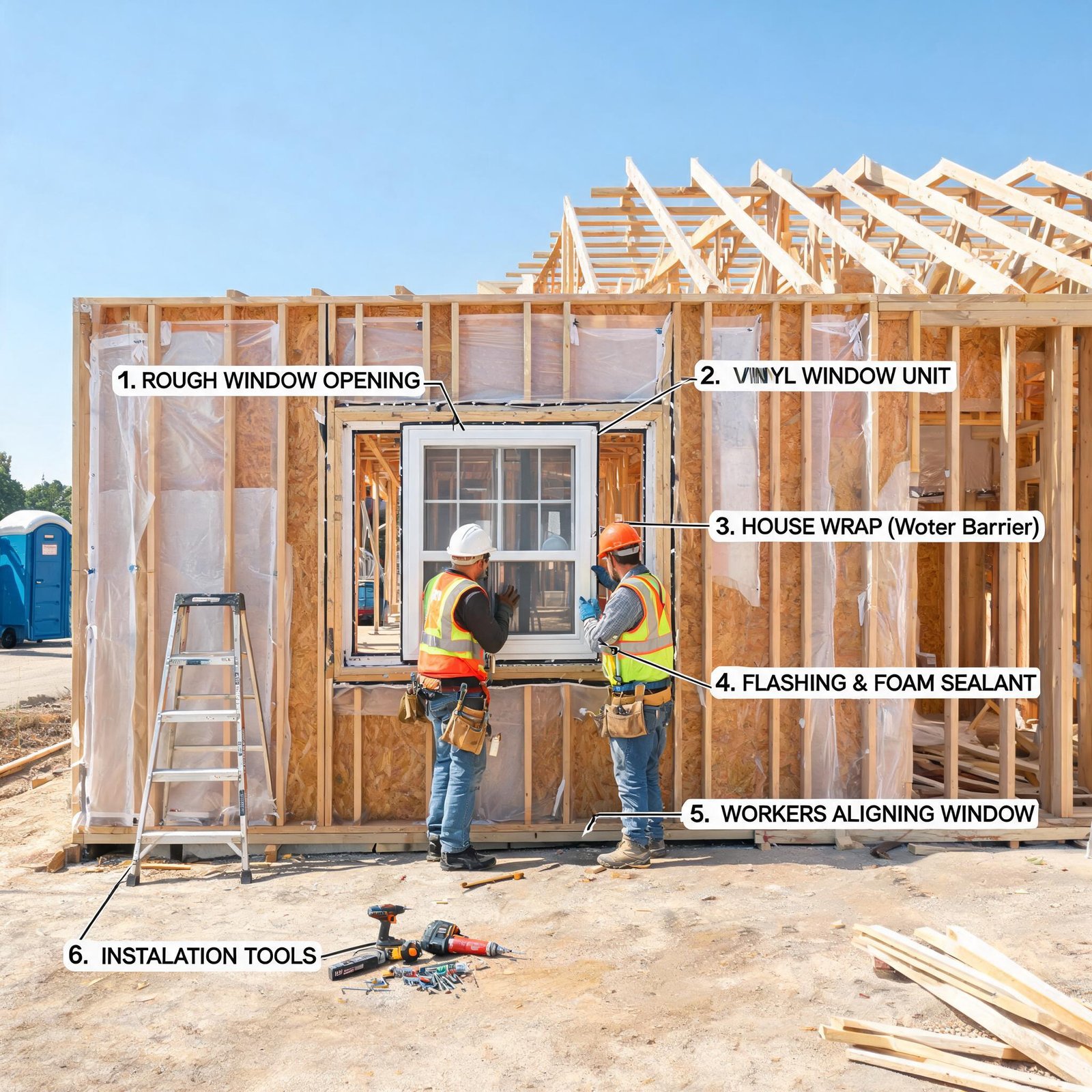
Vinyl windows are lightweight and easy to handle, making them popular among contractors. However, vinyl frames are less rigid than fiberglass, so they require careful shimming and leveling to prevent warping during installation. Poorly installed vinyl windows can develop gaps that compromise energy efficiency.
Fiberglass windows are heavier and more rigid. They require two people to install safely, and the frames don’t flex to fit imperfect openings. This means the rough opening must be properly prepared. The upside is that once installed correctly, fiberglass windows maintain their shape and seal for decades.
If you’re considering a DIY installation, vinyl is more forgiving. For professional installation, fiberglass often yields better long-term results.
Environmental Impact and Sustainability
This aspect rarely gets adequate attention in comparison articles, but it matters to many homeowners.
Vinyl windows are made from PVC, which has a controversial environmental record. The manufacturing process releases dioxins and other harmful compounds. Vinyl is technically recyclable, but most old vinyl windows end up in landfills because the recycling infrastructure is limited.
Fiberglass windows have a better environmental profile. The manufacturing process is cleaner, and the material itself is inert once cured. Fiberglass frames can last 50 years or more, reducing replacement frequency. Some manufacturers now use recycled glass fibers and bio-based resins, further improving sustainability.
For environmentally conscious homeowners, fiberglass is the clear winner. However, the energy savings from either material over old single-pane windows far outweigh the environmental cost of manufacturing.
Noise Reduction and Soundproofing
If you live near a busy road or in a noisy neighborhood, this comparison point becomes critical.
Vinyl windows provide good sound insulation due to their multi-chambered frame design. The hollow chambers act as sound baffles. Combined with double-pane glass, vinyl windows can reduce outside noise by 30 to 40 decibels.
Fiberglass windows offer superior soundproofing because the material is denser than vinyl. The solid construction transmits less vibration. Fiberglass frames filled with foam insulation can achieve noise reduction comparable to triple-pane glass.
For urban homeowners or those near airports, fiberglass windows make a noticeable difference in indoor peace and quiet.
Maintenance Requirements Over Time
Both materials are marketed as low-maintenance, but the reality differs.
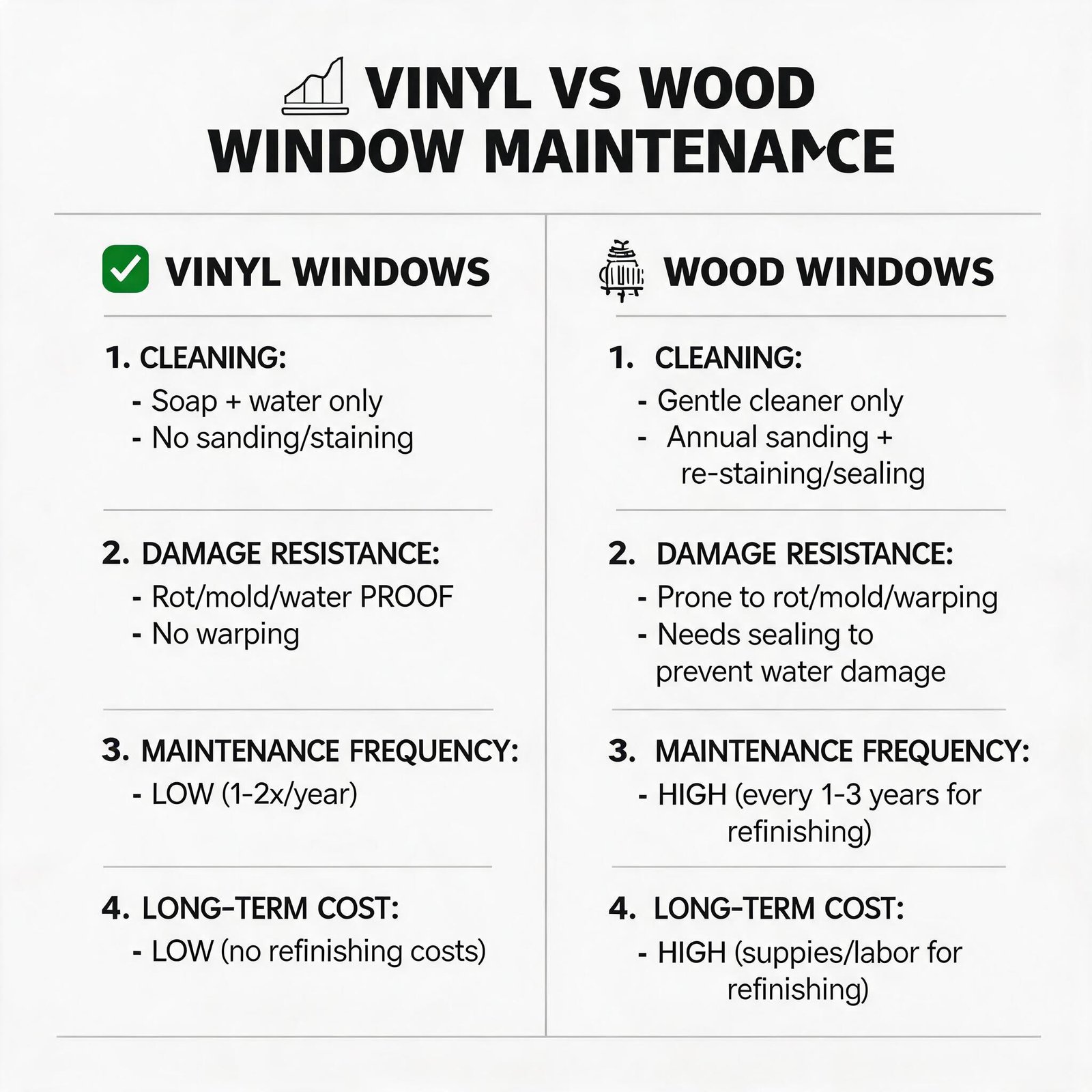
Vinyl windows need occasional cleaning with mild soap and water. The frames never require painting or staining. However, the weatherstripping and seals will eventually wear out and need replacement. Vinyl frames can also become brittle in cold weather, making them more susceptible to damage from impact.
Fiberglass windows require slightly more attention. The painted finish may need repainting every 15 to 20 years, depending on sun exposure. However, the frames themselves are virtually indestructible. Fiberglass does not rust, rot, or corrode. The seals and weatherstripping last longer because the frame doesn’t expand and contract as much.
If you want true set-it-and-forget-it performance, fiberglass is closer to that ideal than vinyl.
Resale Value and Home Appraisal Impact
Real estate agents and appraisers recognize the difference between premium and standard windows.
Vinyl windows are considered standard in most markets. They add value to a home but don’t command a premium. Buyers expect vinyl windows in a well-maintained home.
Fiberglass windows are viewed as a premium upgrade. They signal quality and longevity to potential buyers. In competitive real estate markets, fiberglass windows can help justify a higher asking price. Appraisers also assign higher value to fiberglass because of its longer lifespan and better performance characteristics.
For homeowners planning to sell within five to ten years, fiberglass windows offer a better return on investment despite the higher upfront cost.
Climate-Specific Recommendations
Your local climate should heavily influence your decision.
Cold climates (Northeast, Midwest, Canada): Fiberglass windows excel here. They don’t contract significantly in extreme cold, maintaining their seal. Vinyl can become brittle and crack in temperatures below -20°F.
Hot climates (Southwest, Southeast): Both materials perform well, but fiberglass handles intense UV exposure better. Vinyl can warp or discolor under prolonged direct sunlight.
Coastal climates: Fiberglass is the clear winner. It resists salt spray corrosion, while vinyl can degrade faster in salty air.
Moderate climates (Pacific Northwest, Mid-Atlantic): Vinyl offers excellent value and performance. The milder conditions don’t stress either material significantly.
Making Your Final Decision
After considering all these factors, here’s a practical framework for choosing:
Choose vinyl windows if:
- You’re on a tight budget
- You plan to move within 10 years
- You live in a moderate climate
- You want minimal maintenance
- You’re satisfied with white or beige frames
Choose fiberglass windows if:
- You’re building or renovating your forever home
- You live in an extreme climate
- You want maximum energy efficiency
- You need custom shapes or colors
- You’re concerned about environmental impact
- You want the highest resale value
For homeowners exploring alternatives, it’s worth noting that are wood windows better than vinyl is a question many traditionalists ask. Wood offers unmatched beauty and insulation but requires significant maintenance. Similarly, are aluminum windows better than vinyl depends on your priorities—aluminum is strong and lightweight but conducts heat readily.
Frequently Asked Questions
Which window material lasts longer, vinyl or fiberglass?
Fiberglass windows typically last 50 years or more, while quality vinyl windows last 20 to 40 years. Fiberglass is more durable and resistant to temperature extremes.
Can vinyl windows be painted?
Most vinyl windows cannot be successfully painted. The paint often peels or bubbles because vinyl expands and contracts differently than paint. Fiberglass windows accept paint exceptionally well.
Are fiberglass windows worth the extra cost?
For homeowners planning to stay in their home long-term, yes. The longer lifespan, better energy performance, and higher resale value often offset the initial investment.
Which material is more energy efficient?
Both materials offer excellent thermal performance. Fiberglass has a slight edge in extreme climates because it maintains its shape and seal better. In moderate climates, the difference is minimal.
Do fiberglass windows require more maintenance than vinyl?
Fiberglass windows may need repainting every 15 to 20 years. Vinyl windows never need painting but can become brittle or discolored over time. Both require minimal routine maintenance.
Can I install fiberglass windows myself?
Fiberglass windows are heavier and less forgiving than vinyl. Professional installation is strongly recommended to ensure proper fit and performance.
Which material is better for soundproofing?
Fiberglass windows generally provide better noise reduction due to their denser construction and better sealing properties.
Are there environmental concerns with vinyl windows?
Vinyl is made from PVC, which has environmental concerns during manufacturing and disposal. Fiberglass has a better environmental profile and longer lifespan.